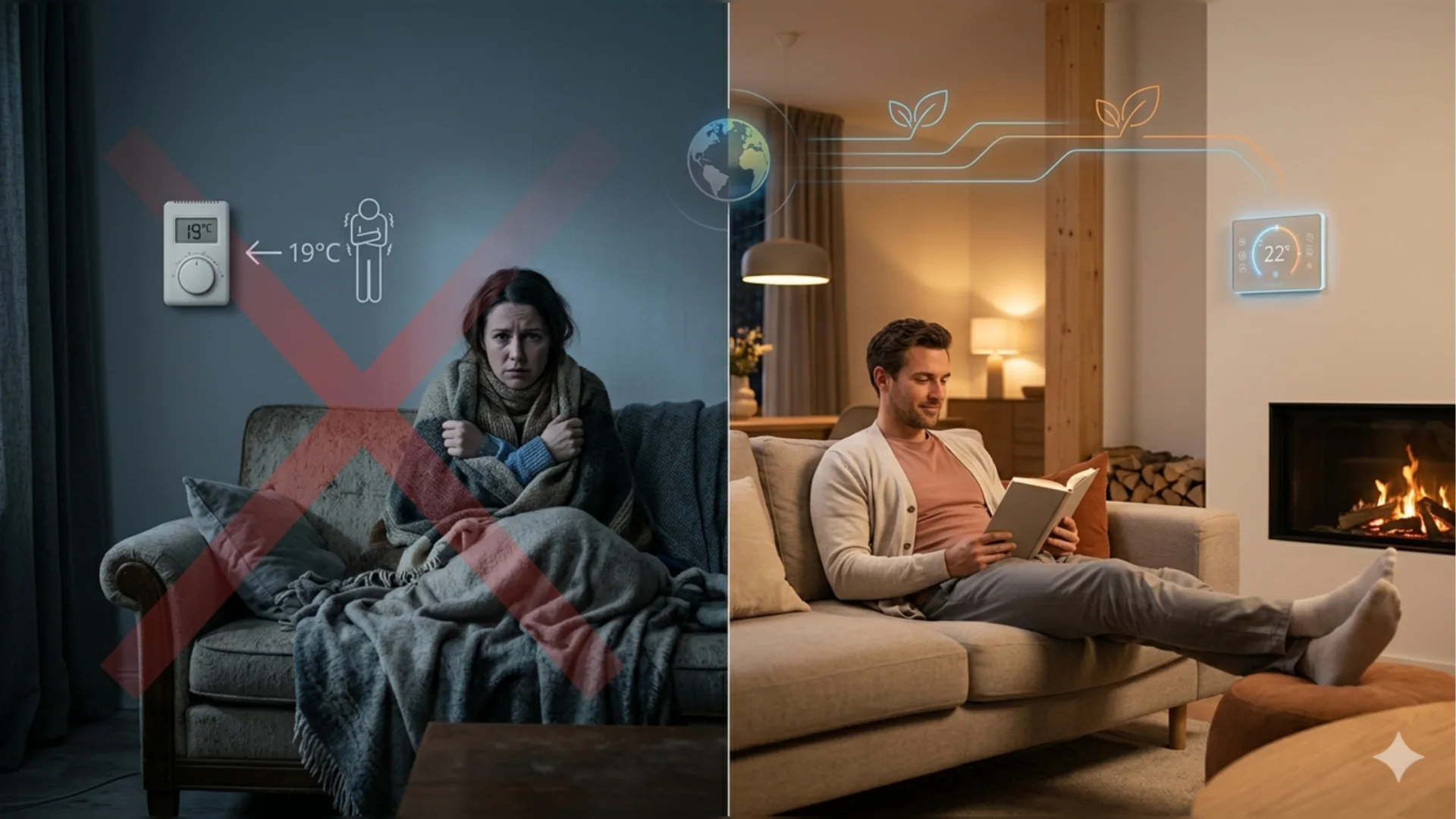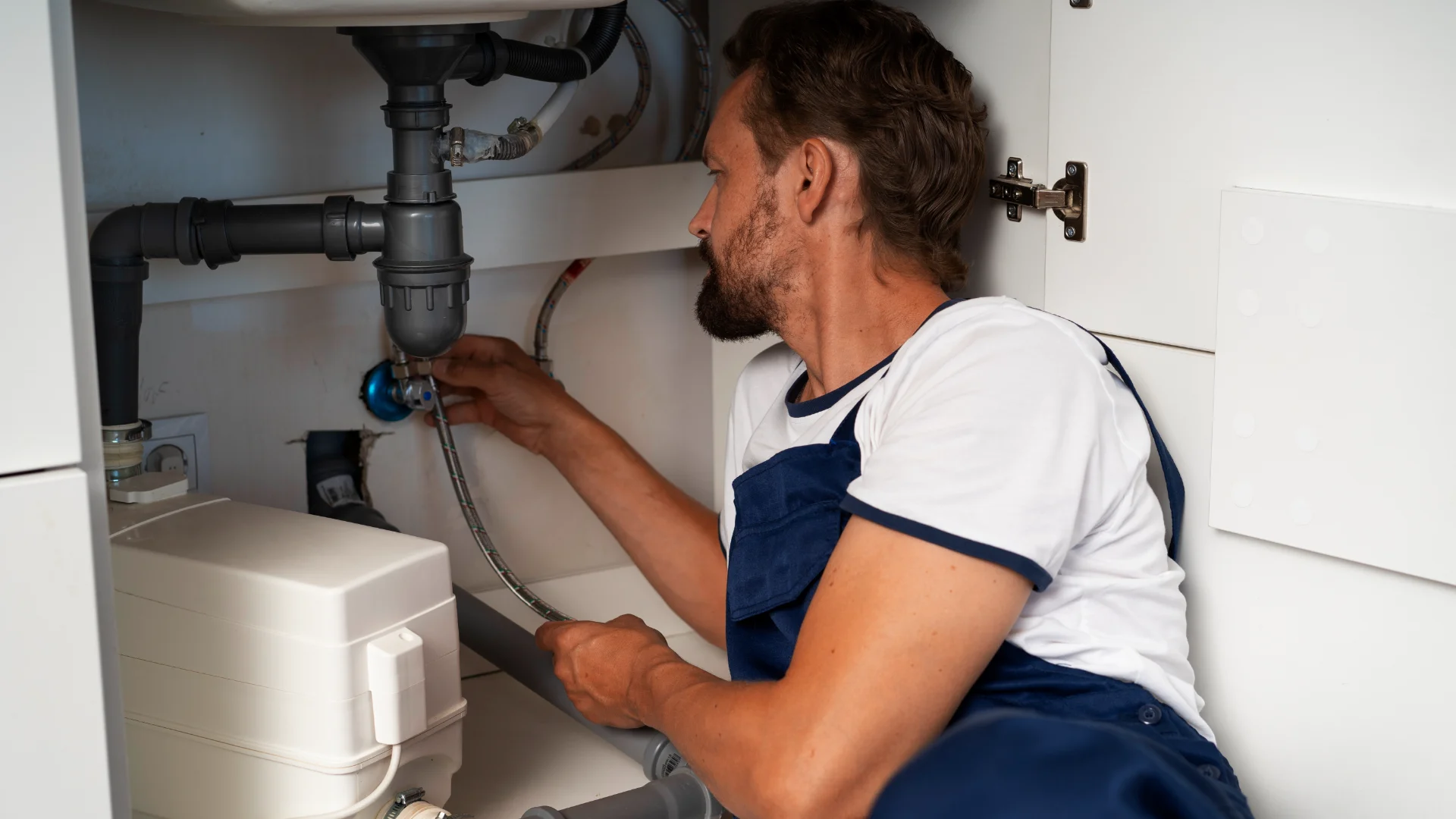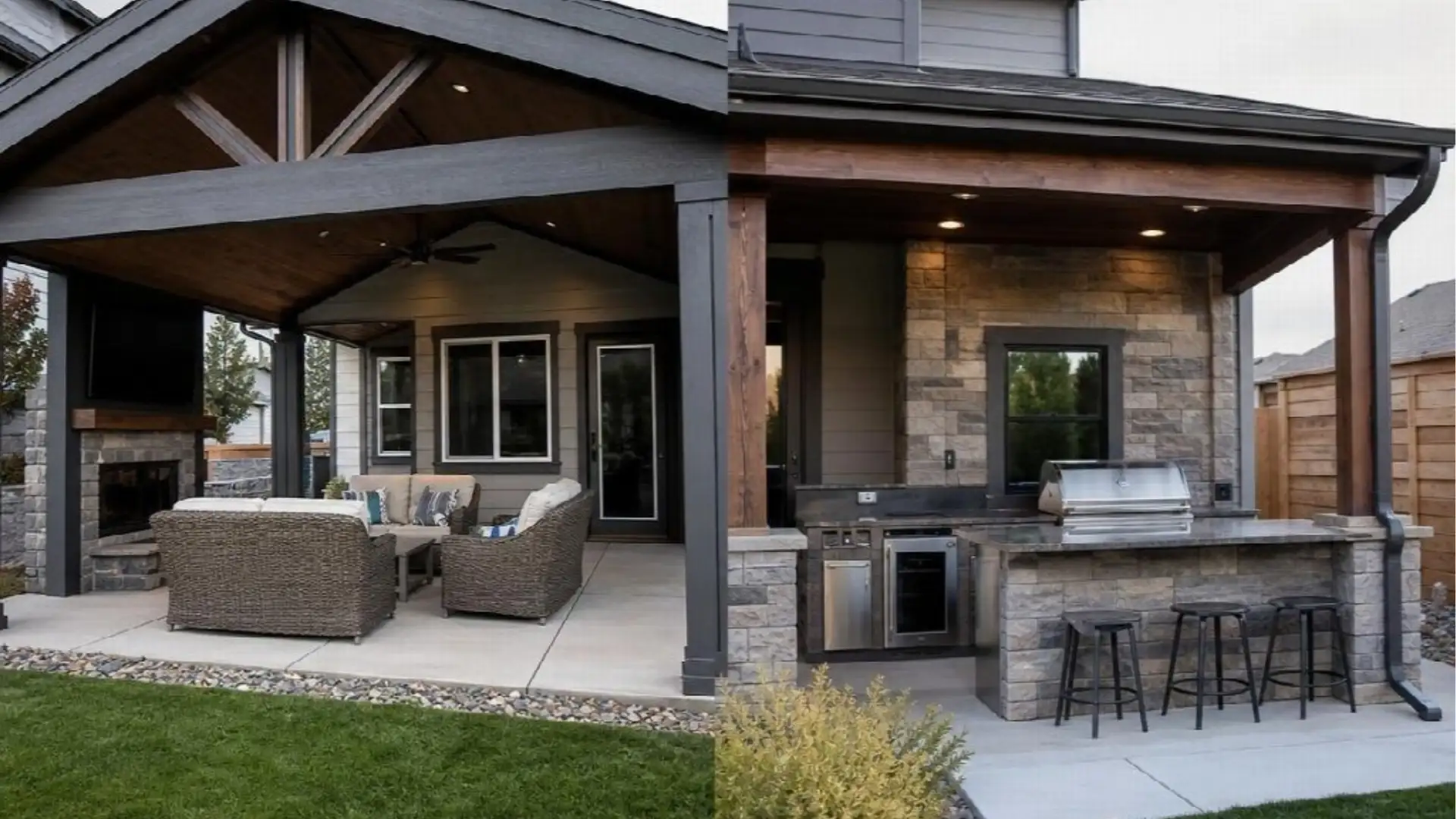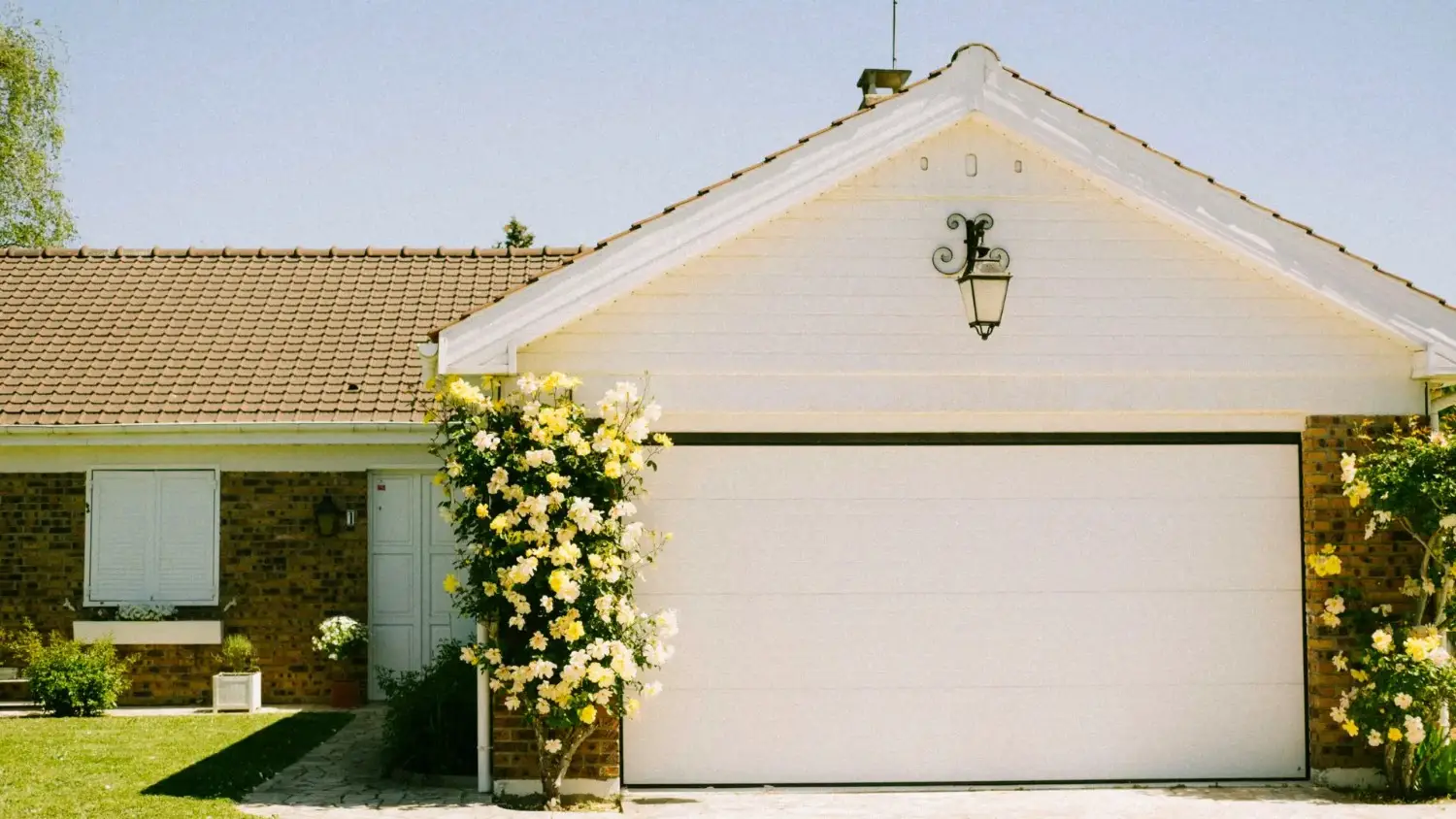
You usually realize a home setup is annoying during the worst possible moment, like standing in the rain, wrestling with a gate while grocery bags dig into your hands. Small issues stack up slowly after that. A weak driveway light.
A garage door that pauses halfway down for no reason. Locks that suddenly act stubborn late at night when everyone is already tired. Most homeowners are not trying to make the house fancy. They just want daily routines to feel smoother. People spend more time at home now, so little security and access problems get noticed faster and become harder to brush aside.
Small Access Problems Usually Become Bigger Ones
People often delay fixing entry systems because the problems seem manageable at first. A gate sticks once in a while. The remote only works if you press it twice. Somebody says they will deal with it next season. Then months pass, and the issue becomes part of daily life.
The trouble is that entry systems affect more than convenience. They shape how secure a property feels. When gates, garage doors, or access controls stop working smoothly, people start adjusting their routines around the problem. They park differently. They avoid certain entrances. They leave things unlocked temporarily because the proper system has become unreliable.
This matters more now because homes handle more activity than before. Deliveries happen constantly. Contractors come and go. Teenagers return from school at odd hours. People work hybrid schedules and expect home systems to function without constant babysitting. That is one reason homeowners increasingly pay attention to equipment quality instead of simply choosing the cheapest option available.
Many property owners want to invest in reliable gate operators today. This shift comes after having to deal with repeated failures or inconsistent performance. Homeowners are not looking for flashy technology. They want systems that open properly, close securely, and continue working during normal daily use without becoming another thing on the household repair list.
Convenience Changes Daily Stress Levels
People burn more energy on small daily hassles than they realize. A garage door acting up before work, a keypad freezing during cold weather, and lights flickering for no reason. None of it sounds serious alone, but repeated enough, it starts grinding people down. When home systems work properly, the whole day feels easier to move through. Parents stop checking locks three times before bed. Deliveries happen without weird timing issues. Guests get in without standing outside calling somebody.
Smart access systems changed things, too. People can check gates, cameras, and garage doors from their phones now, which honestly saves time more than anything else. Busy households notice those little improvements fast.
Security Is Often About Predictability
A secure home usually looks pretty ordinary from the outside. The systems just work without drawing attention to themselves. Gates close fully, lights come on when needed, cameras record properly, and locks do what they are supposed to do. That consistency matters more than people think because once something becomes unreliable, trust in the whole setup starts slipping fast.
Most homeowners are not trying to build fortress-style properties. They just want fewer weak spots during everyday routines. Better lighting, stronger garage systems, and controlled access points help homes feel steadier. Package theft and property crimes pushed more people to think this way lately, even if they rarely say it out loud.
Garage Doors Matter More Than People Think
Garage doors tend to get ignored until they stop working properly. Then suddenly, the entire household schedule falls apart for a week. Cars stay trapped inside. Storage becomes inaccessible. People start entering through side doors because the main system cannot be trusted anymore.
Modern garage systems do more than open and close. Many now include rolling security codes, obstacle detection sensors, battery backup systems, and smartphone integration. Some homeowners use all those features daily. Others barely think about them until a power outage hits during a storm.
Noise reduction has become another major factor. Older systems can sound rough enough to wake half the house during early mornings. Quieter motors and smoother tracks may seem like small upgrades, but people notice the difference quickly once installed.
The funny thing is that homeowners often adapt to bad systems without realizing it. They accept loud grinding noises or delayed responses as normal because the problem developed gradually over time. Then a properly functioning system gets installed, and suddenly the old setup feels ridiculous in hindsight.
Outdoor Lighting Quietly Changes Everything
Good lighting affects how safe a property feels almost immediately. Dark side yards, poorly lit driveways, and shadowed walkways create tension even in otherwise quiet neighborhoods. People move differently in poorly lit spaces. They hurry. They second-guess sounds. They check windows more often.
Exterior lighting also improves convenience in surprisingly practical ways. Taking trash outside at night becomes easier. Deliveries are more visible. Guests navigate the property without awkward confusion. Cameras record clearer footage when lighting is consistent. Some homeowners avoid installing brighter lighting because they worry it will look harsh or overly commercial. Modern systems usually avoid that problem. Softer LED lighting with motion detection provides visibility without making the property feel like a parking lot.
The goal is not to turn a home into a surveillance compound. Most people simply want to feel comfortable walking through their own property after dark without mentally preparing for raccoons, icy steps, or random movement near the fence line.
Home Systems Work Best When They Stay Quiet
The best security and convenience upgrades are usually the ones people stop noticing after a while. Gates respond properly. Garage doors operate smoothly. Lighting works without constant bulb replacements or weird electrical flickering. Life moves normally around the systems instead of constantly reacting to them.
That quiet reliability matters more than flashy features most of the time. Homeowners already deal with enough interruptions from work notifications, endless passwords, delivery updates, and the general noise of modern life. They do not want their property itself to become another source of stress.
People invest in security and convenience because they want their homes to feel manageable. Stable. Easier to move through at the end of a long day. That sounds simple, maybe too simple, but it is usually what matters most once the sales language gets stripped away.