Whether someone is starting a commercial construction site or only planning a large backyard renovation, having correct equipment matters a lot for the success of the project. Many people think professional machinery is available only for large companies, but equipment rentals today make it possible for homeowners and small contractors also to access high-performance machines without paying huge ownership costs.
The rental process itself is usually simple to understand. First, you select the equipment needed for your work. After that, you choose how long you want to keep it and pay the rental fee based on usage period. This allows people to increase their working capability for temporary projects and returning machines once a task is completed. Because of this flexibility, rentals often become the smartest financial option for many projects.
1. Choosing the Right Equipment for Your Task
The first step in successful equipment rental is selecting machine matching project requirements correctly. If equipment is too small, work may take much longer than expected. On the other side, oversized machinery sometimes becomes difficult to control and may even damage property.
Professional Grade vs Homeowner Grade
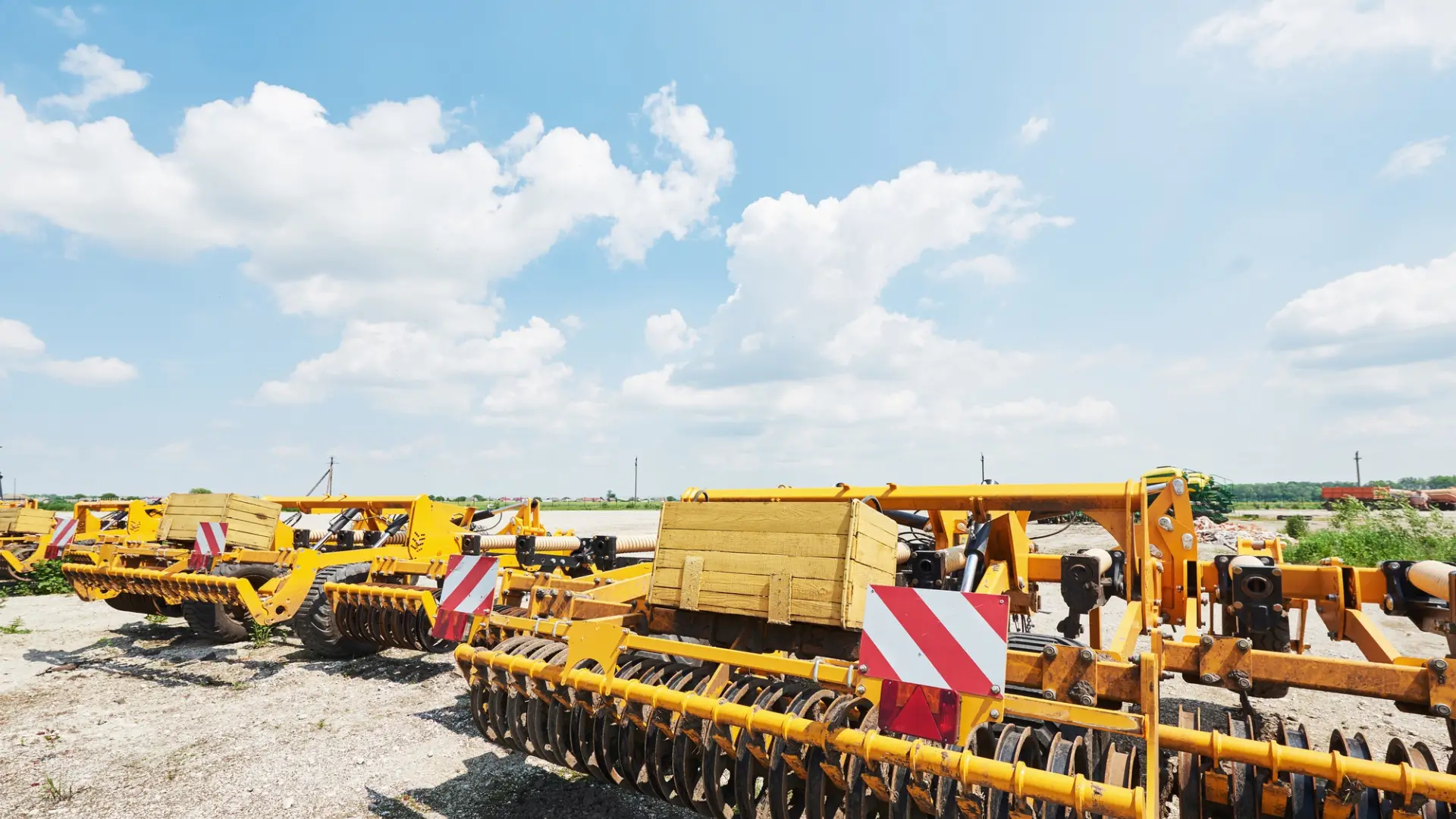
Rental companies usually provide industrial-grade equipment instead of lightweight homeowner tools. These machines are designed for working the entire day under difficult conditions. Compared to equipment found in hardware stores, rental machinery often has stronger hydraulic systems and much better durability.
For example, rental-grade trenchers or skid steers generally produce significantly higher performance compared to small consumer versions.
Getting Expert Advice
If unsure about the correct excavator size, lift height, or digging depth needed, asking rental professionals is always a good idea. Most rental staff already have experience with many project types. They can help determine proper reach, lifting capacity, or machine size so the project does not face delays later.
2. Understanding Rental Agreements and Costs
When renting equipment from companies like Sniper Rentals, customers enter into agreements explaining rental period and machine condition requirements.
Rental Time Periods
Most rental businesses divide pricing into three categories:
- •Daily Rentals: Best for smaller tasks such as digging post holes or grinding stumps.
- •Weekly Rentals: Good option for landscaping jobs or medium-sized renovation projects.
- •Monthly Rentals: Usually the most cost-effective choice for long-term construction work.
Insurance and Security Deposits
Most rental companies ask for a deposit and also provide damage waiver options. This helps protect renters if mechanical issues happen during normal operation, such as hydraulic hose failure or equipment malfunction.
Always reading agreement carefully becomes important, especially regarding fuel levels and maintenance responsibilities like greasing moving parts.
3. Logistics, Delivery and Pickup
For many homeowners and smaller contractors, transporting heavy equipment becomes one major challenge. Machines like skid steers or scissor lifts often require special trailers and trucks capable of handling heavy towing loads.
Easier Delivery Service
Many professional rental companies provide delivery and pickup service for an additional flat fee. In most situations, this option becomes the safest and easiest choice.
Equipment arrives directly where needed, without customers worrying about towing responsibility or traffic risks. Also, machine placement can be done correctly by experienced delivery staff.
4. Benefits of Renting Instead of Buying
Purchasing heavy equipment requires very large investment. Unless the machine gets used every week consistently, ownership usually does not make strong financial sense.
No Maintenance Expenses
When renting machinery, renter does not handle engine repairs, oil changes, or tire replacement costs. Equipment arrives serviced and prepared for operation.
Access to Modern Equipment
Rental fleets usually get updated frequently. This allows customers to use newer machines with modern safety features and better fuel efficiency.
No Storage Problems
Heavy machinery occupies a significant amount of space. Once the project finishes, equipment returns back to the rental yard instead of staying inside the driveway or garage.
Tax Advantages
For business owners, rental fees often qualify as deductible operating expenses instead of long-term depreciating assets.
5. Safety and Equipment Operation Basics
Safety always remains the most important part when operating construction machinery. Even if similar equipment was used before, controls may vary slightly depending on manufacturer.
Walkaround Inspection
Before the delivery driver leaves the site, request a short walkthrough of controls and safety functions. Check fluid levels carefully, inspect existing damage, and make sure safety locks are understood properly.
Protective equipment should always be worn, including:
- •Work boots
- •Eye protection
- •Hard hat when required
Preparing the Job Site
Before a machine arrives, underground utility lines should always be marked clearly. Gas, water, and electric lines can become dangerous if damaged accidentally during digging operations.
Even one small mistake using a backhoe or excavator may create expensive repairs and serious safety risks.
6. Returning the Equipment
To avoid additional fees and receive full deposit back, some simple return rules should be followed. Rental companies usually expect machines returned in nearly the same condition as delivery time.
Refuel the Machine
Equipment should generally be returned with a full fuel tank. If rental yard refuels machines themselves, fuel charges usually become much higher.
Basic Cleaning
Nobody expects equipment to look brand new, but removing heavy mud and debris is considered common courtesy. It also helps rental staff inspect machine more easily for possible damage.
Report Any Problems
If a machine feels unusual during operation or any issue happens, informing the rental company becomes important. This helps technicians repair equipment before the next customer uses it.
Conclusion
Construction equipment rentals offer flexibility, power, and efficiency, helping construction and home improvement projects progress much faster. By eliminating maintenance costs, storage concerns, and large upfront investments, customers can focus entirely on completing their projects successfully.
Whether needing specialized equipment for one afternoon or several machines for the entire month, the rental process often remains the most flexible and cost-effective solution available. Planning a project correctly, choosing a reliable rental company, and following basic safety practices can help ensure successful results from beginning until finish.