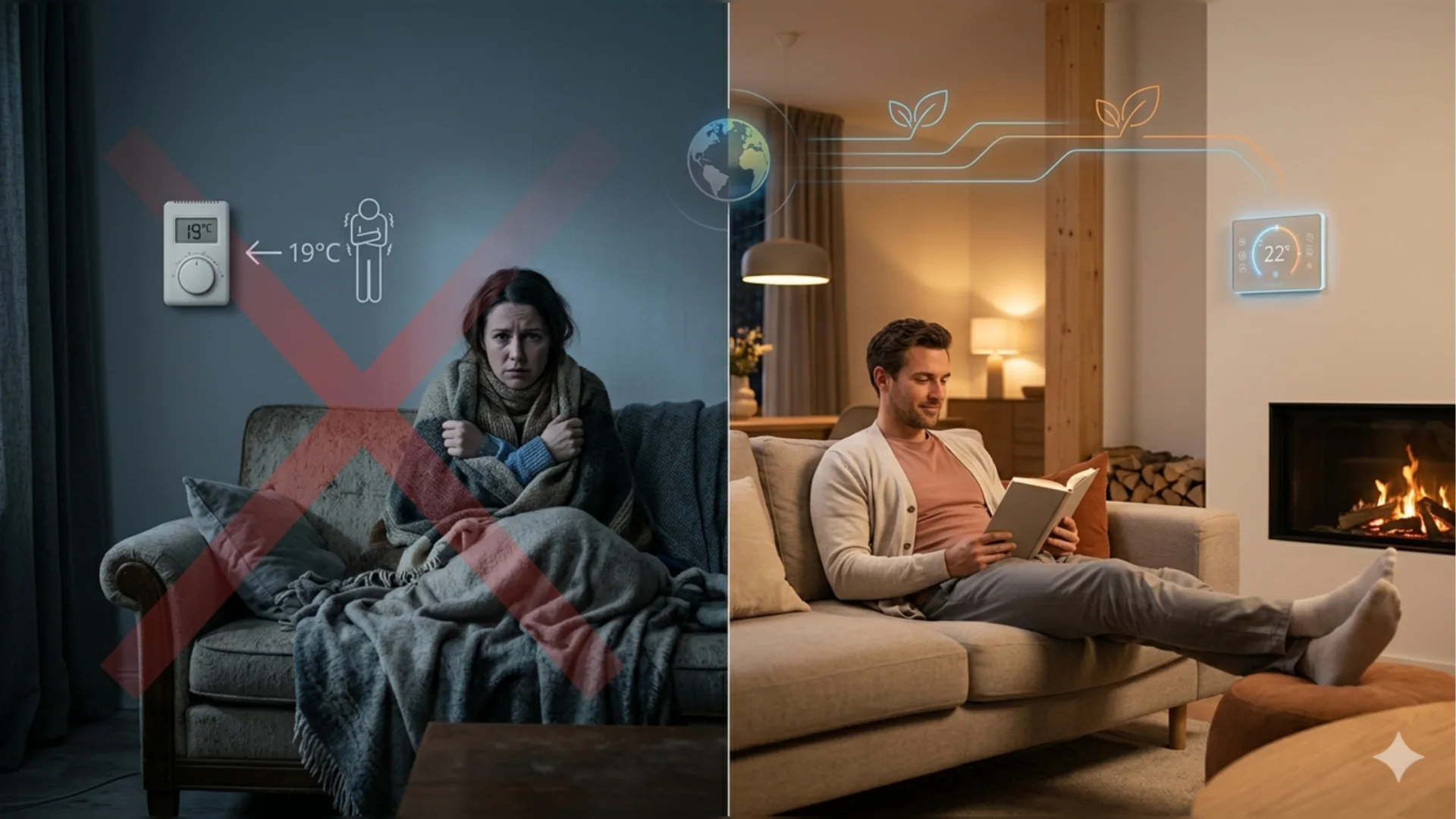
Have you ever set your thermostat to a reasonable 22°C and sat back, hoping your house would feel comfortable, only to find yourself grabbing a jumper in the home office or kicking off your socks in the living room? A 22°C reading on your thermostat might suggest that your living space should feel just right, but this number does not reflect how every corner of your home actually feels. Some rooms remain humid and stuffy, while others feel unexpectedly chilly, leaving you wondering why your desired temperature is not delivering the comfort you expected.
This is a common problem for homeowners, particularly in properties with multiple floors, large windows, older insulation, or complicated heating and cooling systems. For homeowners looking for Air conditioning Stevenage, understanding the reasons behind uneven temperatures can help identify practical solutions and create a more comfortable indoor environment.
Why the Thermostat Does Not Tell the Whole Story
Wall-mounted thermostats mostly measure the air temperature in a single location, often the main living space or central hallway. They are not designed to account for temperature variations throughout an entire building. As a result, the temperature displayed on the screen might not accurately represent the conditions in your bedroom, kitchen, or upstairs office.
Several factors influence indoor comfort, including insulation quality, humidity levels, natural sunlight, and air circulation. For example, a room with poor ventilation and excess moisture may feel warmer and more uncomfortable than a well-ventilated space at the same temperature. Similarly, cold walls, draughty windows, and hard flooring can make a room feel chilly even when the thermostat indicates a comfortable reading.
The Rooms That Often Feel Different
Most homes have problem areas that seem reluctant to stay in sync with the rest of the building. Identifying these spaces is an important first step towards understanding what is happening.
- •Upstairs bedrooms: Because warm air rises, upper floors can become noticeably warmer, particularly during summer. Heat trapped beneath the roof can make bedrooms uncomfortable at night and interfere with restful sleep.
- •Sunlit rooms: Rooms with large windows often absorb considerable sunlight throughout the day, creating a greenhouse effect. Meanwhile, rooms on the shaded side of the property may receive little direct sunlight and remain cooler for longer.
- •Far corners of the house: Rooms located at the end of a ductwork system may receive weaker airflow than spaces closer to the main unit. This can result in inconsistent heating or cooling, especially during periods of extreme weather.
Furniture placement can also contribute to the problem. Large sofas, cabinets, or curtains positioned over vents may obstruct airflow and prevent conditioned air from circulating properly.
When Airflow Becomes Part of the Problem
The way air travels through your property plays an important role in maintaining consistent temperatures. During home renovation, it is worth evaluating the existing ventilation system and making necessary improvements to support better airflow. Closed internal doors, blocked vents, leaking ducts, or outdated ductwork can restrict circulation and prevent certain rooms from receiving enough warm or cool air.
HVAC systems that are incorrectly sized for a property can also struggle to distribute air effectively. An undersized system may run for extended periods without adequately heating or cooling the building, while an oversized unit may switch on and off too frequently to maintain stable conditions.
When airflow becomes unbalanced, some areas receive more conditioned air than others, making the home feel uncomfortable despite the thermostat setting remaining unchanged. Regularly noticing hot or cold spots could indicate that your system needs a closer inspection.
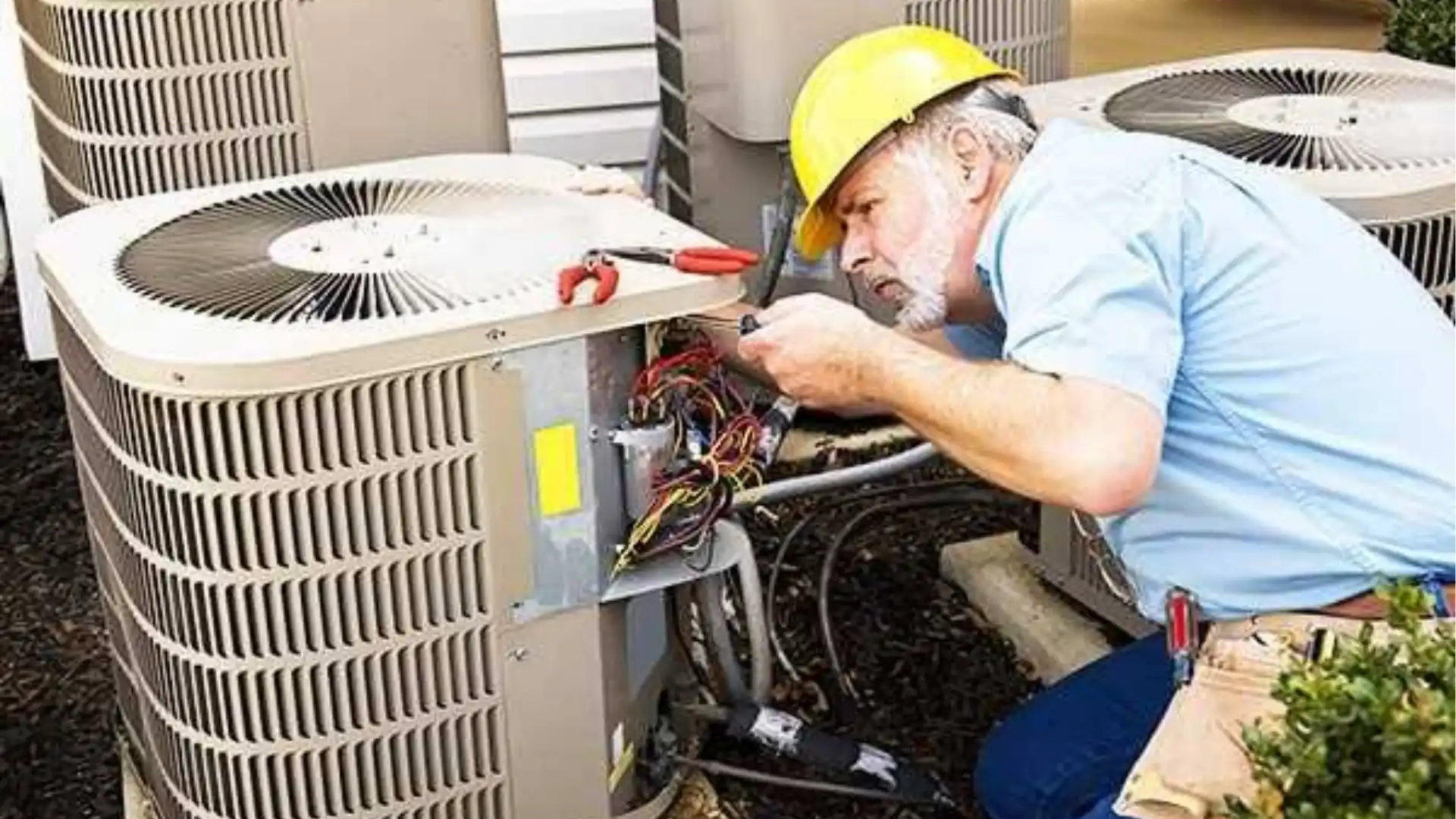
Specialists such as Stevenage Air Conditioning can help homeowners assess their existing setup, identify potential air distribution problems, and determine whether adjustments or repairs are needed. A professional assessment can also reveal issues that are difficult to identify through everyday observation alone.
Small Changes Can Reveal a Bigger HVAC Issue
Homeowners often develop workarounds to cope with uneven temperatures. You might move portable fans or space heaters between rooms, avoid particular areas during the hottest or coldest parts of the day, or constantly adjust the thermostat in the hope of finding a comfortable setting.
Although these approaches may provide temporary relief, they do not necessarily address the underlying cause. Repeatedly changing the thermostat can also increase energy consumption if the system continues running without resolving the temperature imbalance.
There are a few practical checks worth making before arranging professional assistance. Ensure that vents are not blocked by furniture, check for noticeable draughts around doors and windows, and pay attention to rooms that consistently feel different from the rest of the property. Replacing dirty air filters, where applicable, can also help maintain proper airflow.
However, if these simple measures make little difference, a more detailed assessment may be necessary. Persistent temperature differences can point towards insulation problems, ductwork leaks, ventilation issues, or equipment that is not suited to the property's requirements.
Conclusion
The bottom line is that 22°C is simply a number displayed on your thermostat, not a guarantee that every room in your home will feel comfortable. Indoor comfort depends on several interconnected factors, from insulation and humidity to sunlight and the performance of your heating and cooling system.
By paying attention to recurring hot and cold spots, checking for basic airflow obstructions, and addressing persistent problems early, homeowners can work towards a more consistent indoor environment. Rather than constantly adjusting the thermostat or relying on temporary fixes, identifying the underlying cause can help improve everyday comfort and support more efficient operation of your HVAC system.