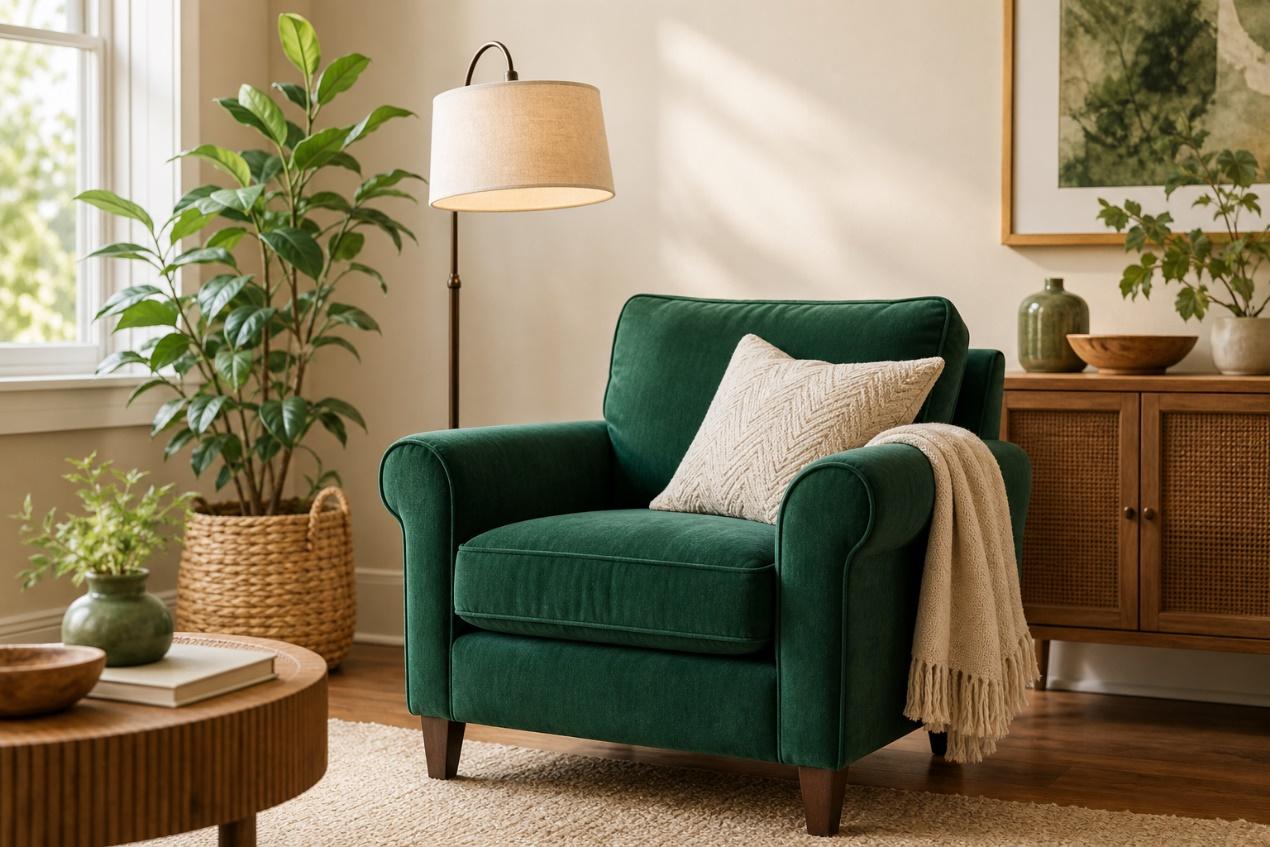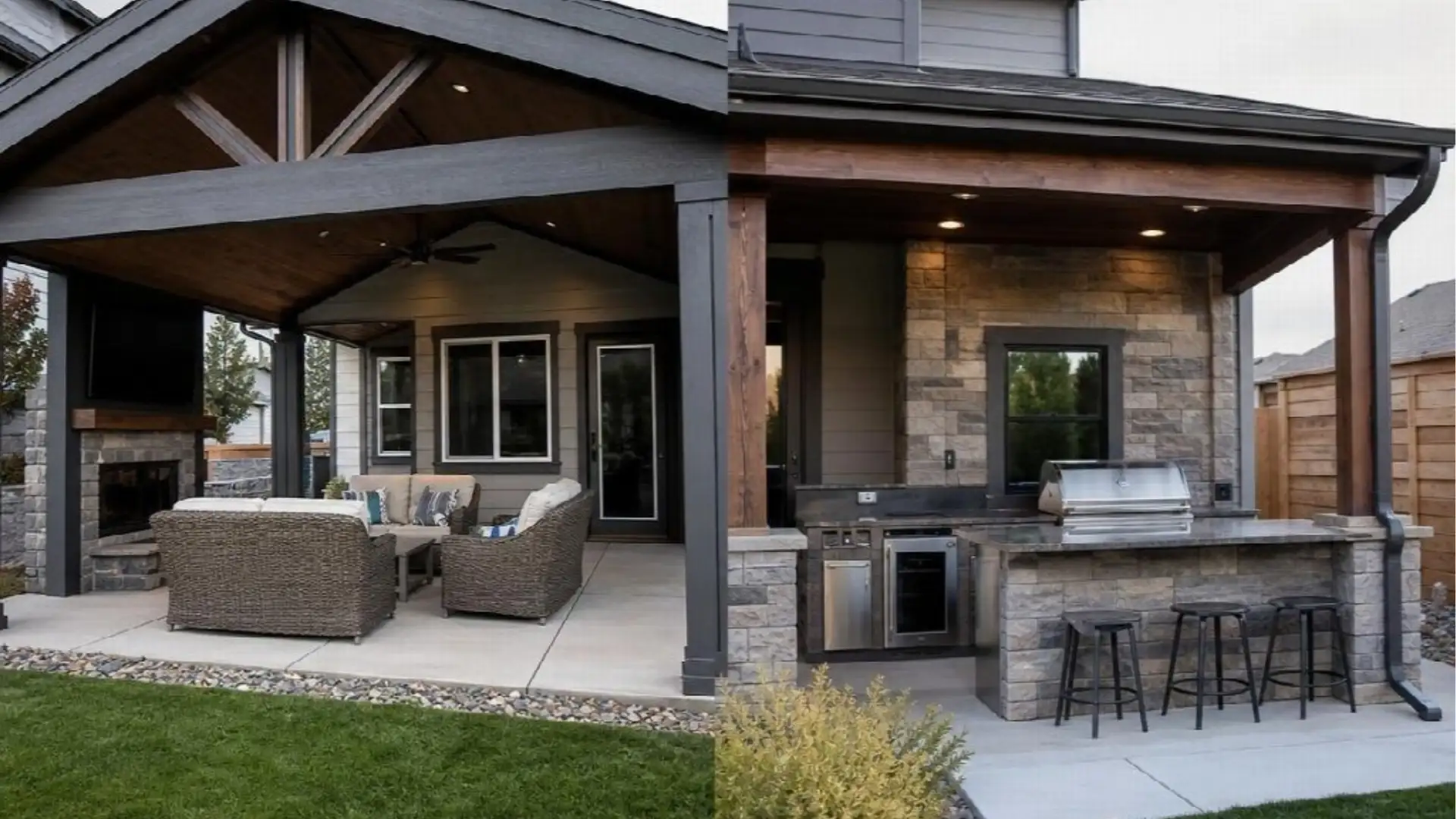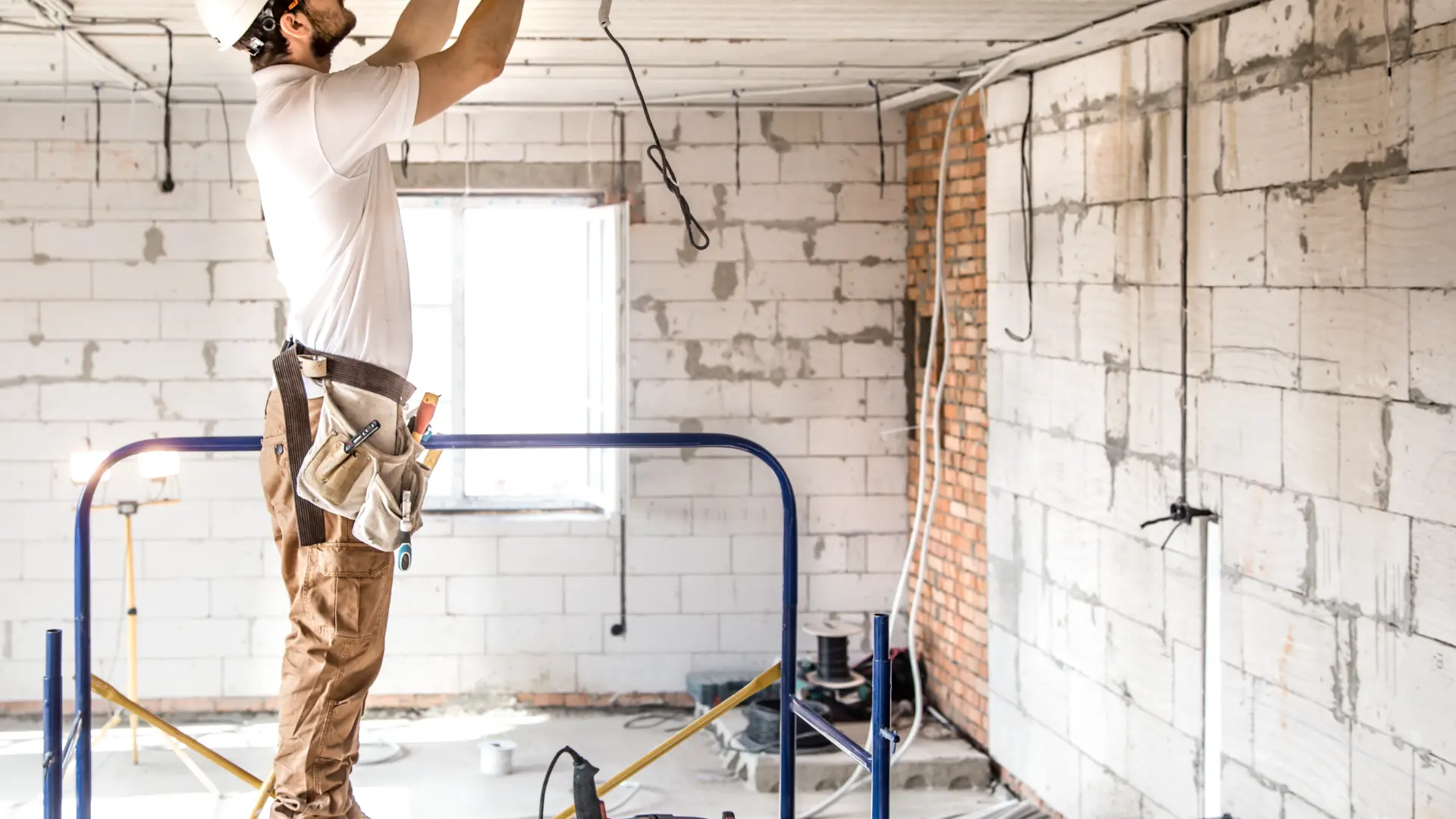
A successful home renovation starts long before demolition begins. Good interior design is about more than choosing attractive colors or stylish furniture. It involves planning the layout, improving functionality, selecting the right materials, and creating spaces that fit your daily life.
Many homeowners focus on finishes first and overlook the planning stage, which often leads to unnecessary expenses and disappointing results. Whether you're updating a single room or renovating your entire home, understanding basic interior design principles before starting can help you make better decisions, avoid costly mistakes, and create a space that looks beautiful and works well for years.
This guide explains the most common renovation planning mistakes and the practical steps you can take before your project begins.
1. Start With Clear Renovation Goals
Every successful project begins with a clear purpose. Before choosing paint colors or shopping for furniture, decide what you want your renovation to achieve.
Ask yourself:
- •Do you need more storage?
- •Is the current layout difficult to use?
- •Do you want better lighting?
- •Are you renovating to improve comfort or increase resale value?
Knowing your goals helps you make consistent design decisions throughout the project.
2. Set a Realistic Budget
Many homeowners underestimate renovation costs because they focus only on visible materials.
Your budget should include:
- •Building materials
- •Labor costs
- •Permits
- •Delivery charges
- •Furniture and fixtures
- •Unexpected repairs
A contingency fund of 10% to 20% can help cover hidden issues that often appear during renovation.
3. Plan the Layout Before Buying Anything
One of the biggest renovation mistakes is purchasing furniture before planning the room.
Think about:
- •Walking paths
- •Door openings
- •Window locations
- •Electrical outlets
- •Storage needs
Good interior design starts with an efficient layout instead of decorative items.
4. Measure Every Space Carefully
Never estimate dimensions.
Measure:
- •Room length and width
- •Ceiling height
- •Windows
- •Doorways
- •Existing furniture
- •Appliance spaces
Accurate measurements prevent expensive mistakes and ensure everything fits properly.
5. Choose One Interior Design Style
Mixing several unrelated styles often creates a cluttered appearance.
Whether you prefer:
- •Modern
- •Contemporary
- •Scandinavian
- •Farmhouse
- •Traditional
- •Transitional
Choose one primary style and keep it consistent throughout the renovation.
Creating a simple mood board before shopping can make decision-making much easier.
6. Plan Your Lighting Early
Lighting has a major effect on how a room looks and feels.
Most rooms should include three types of lighting:
- •Ambient lighting for overall brightness
- •Task lighting for work areas
- •Accent lighting to highlight features
Natural daylight should also be considered before finalizing the furniture layout.
7. Buy Large Furniture Before Decorations
Large furniture pieces determine how a room functions.
A practical buying order is:
- •Sofa or bed
- •Dining table
- •Storage furniture
- •Rugs
- •Lighting
- •Curtains
- •Artwork
- •Decorative accessories
This approach helps maintain proper proportions throughout the room.
8. Invest in Durable Materials
The cheapest option isn't always the most economical over time.
Compare materials based on:
- •Durability
- •Ease of maintenance
- •Water resistance
- •Expected lifespan
- •Manufacturer warranty
Quality materials often reduce future repair and replacement costs.
9. Include Plenty of Storage
Storage is often forgotten until the renovation is nearly complete.
Consider adding:
- •Built-in cabinets
- •Floating shelves
- •Hidden storage benches
- •Multi-purpose furniture
- •Pantry organizers
Good storage helps every room remain organized and functional.
10. Think About Daily Living
Beautiful rooms should also support everyday life.
Ask questions such as:
- •Is there enough workspace in the kitchen?
- •Can family members move comfortably?
- •Are frequently used items easy to reach?
- •Does the furniture suit daily routines?
Practical planning usually creates better long-term results than following design trends alone.
11. Avoid Chasing Every Trend
Home design trends change regularly.
For permanent features like flooring, cabinets, countertops, and tile, timeless choices usually age better.
If you enjoy current trends, introduce them through:
- •Throw pillows
- •Artwork
- •Rugs
- •Decorative accessories
- •Paint colors
These items are easier to replace later.
12. Hire Professionals for Complex Work
Some renovation projects can be completed without professional help.
However, work involving:
- •Structural changes
- •Plumbing
- •Electrical systems
- •Load-bearing walls
should be completed by qualified professionals to meet safety and building requirements.
13. Create a Renovation Timeline
Every renovation takes time.
Plan for:
- •Material delivery
- •Contractor availability
- •Permit approval
- •Inspections
- •Unexpected delays
A realistic schedule helps reduce stress and keeps the project moving.
Common Home Renovation Mistakes to Avoid
Many renovation problems can be prevented with proper planning.
Avoid these common mistakes:
- •Starting without a clear budget
- •Buying furniture before measuring
- •Ignoring storage requirements
- •Choosing style over functionality
- •Forgetting lighting plans
- •Making layout changes after construction begins
- •Purchasing materials without comparing quality
Planning ahead often saves both money and time.
Frequently Asked Questions
What is the difference between interior design and interior decorating?
Interior design focuses on planning spaces, improving functionality, selecting materials, and creating efficient layouts. Interior decorating mainly involves furniture, colors, artwork, and accessories that improve appearance.
Do I need an interior designer for every renovation?
No. Small cosmetic updates can often be completed without professional help. Larger renovations involving layout changes or structural work may benefit from professional planning.
How do I choose the right interior design style?
Start by considering your home's architecture, lifestyle, and personal preferences. Saving photos of rooms you like can help identify common design elements before making purchases.
Should I buy furniture before renovating?
Most professionals recommend completing the renovation first and measuring the finished space before purchasing furniture. This helps avoid sizing problems and improves room layout.
Can good interior design increase property value?
Thoughtful interior design can improve functionality and visual appeal, making a property more attractive to potential buyers. However, resale value also depends on location, market conditions, and renovation quality.
Final Thoughts
A successful renovation depends more on planning than spending. Clear goals, a realistic budget, careful measurements, and thoughtful interior design decisions help create spaces that are comfortable, practical, and visually appealing.
Taking time to plan every stage before construction begins reduces expensive mistakes and leads to better long-term results. Whether you're updating a single room or renovating your entire home, careful preparation is one of the best investments you can make.