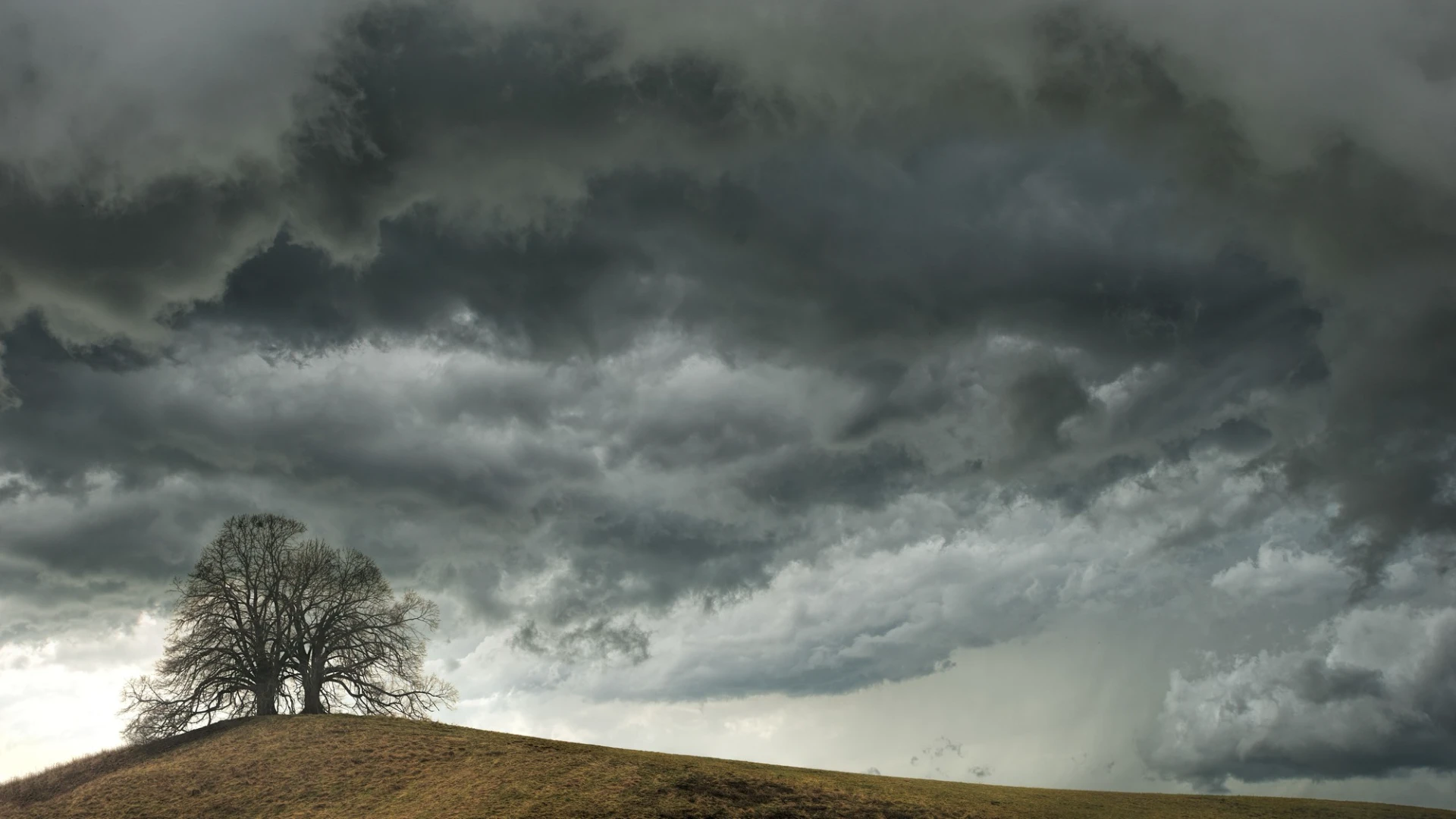
Hurricane season puts Sarasota homeowners under pressure every year. Strong winds, heavy rain, and flooding can cause damage within a few hours, especially in older homes near the coast. Many people focus on stocking supplies and tracking storms, but the condition of the home itself often gets overlooked until something fails. A loose roof shingle, poor drainage, or a weak garage door can quickly become a serious problem during severe weather. Sarasota’s heat and humidity also wear down materials faster than many homeowners realize. That makes pre-season inspections extremely important. Taking time to inspect key parts of the property before storms arrive can prevent expensive repairs, reduce safety risks, and help homeowners feel more prepared when weather conditions suddenly change.
The Garage Door Often Becomes a Weak Point
Many homeowners forget to inspect the garage door before hurricane season, even though it protects one of the largest openings in the home. Older garage doors may struggle to handle strong wind pressure, especially if tracks, rollers, or springs already show signs of wear. Homeowners should test the door’s balance, inspect weather seals, and listen for grinding or shaking during operation. Small issues tend to worsen quickly during severe weather. If the garage door fails during a hurricane, wind can enter the home and create additional structural pressure inside. For garage door repair Sarasota residents call in professionals before storm season to reinforce aging systems and replace damaged parts.
Roof Problems That Get Worse During Storms
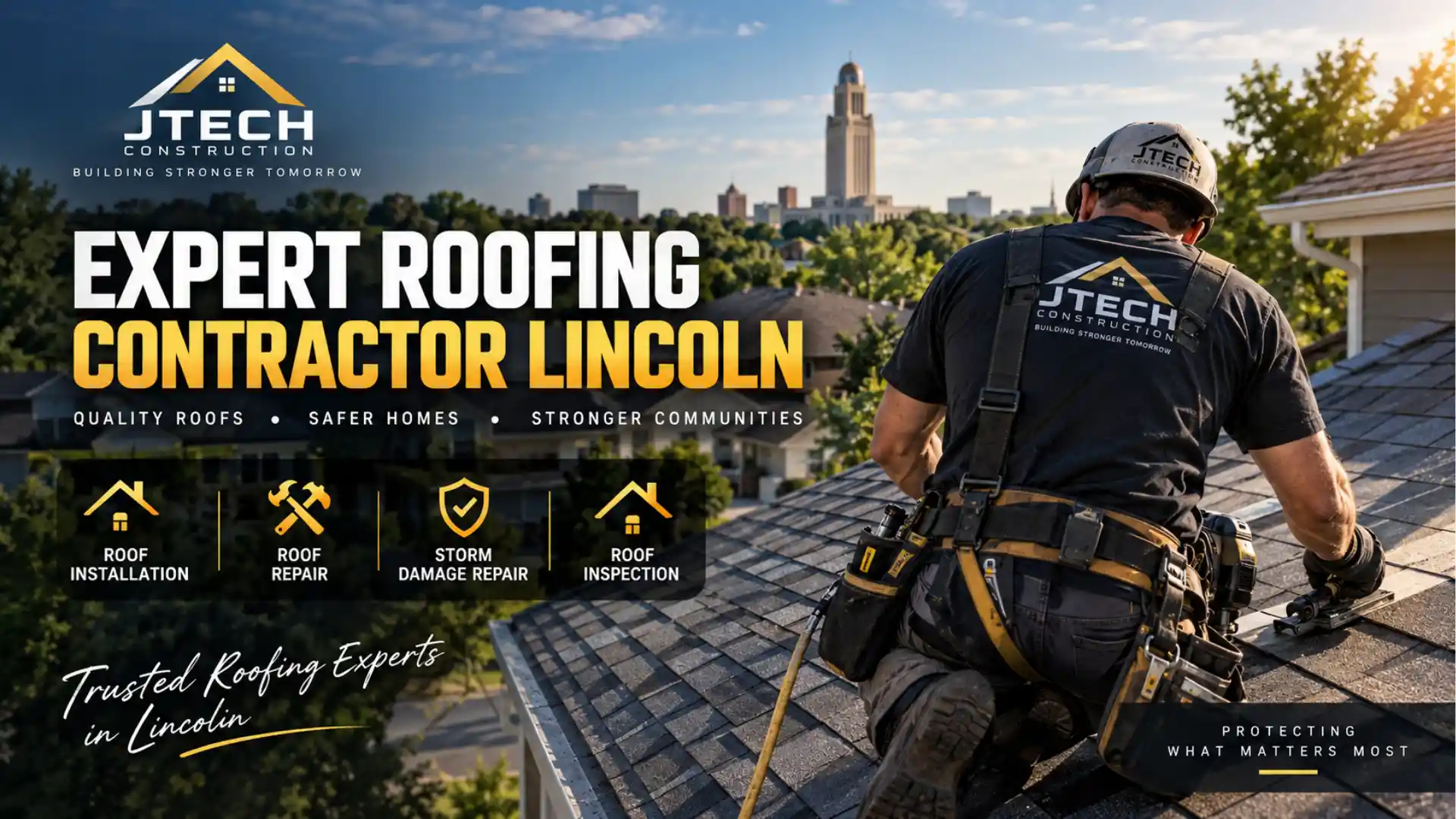
Roof damage usually starts small. A cracked shingle or loose flashing may not seem urgent during dry weather, but hurricane conditions expose weak areas quickly. Many homes deal with strong sun, humidity, and heavy rain throughout the year, which slowly breaks down roofing materials. Before hurricane season begins, homeowners should check for missing shingles, dark spots, soft areas, and debris buildup near roof valleys. Water often enters through small gaps around vents and chimneys, so those areas deserve close attention. It also helps to inspect the attic for moisture stains or damp insulation because leaks sometimes appear inside first. Scheduling a professional roof inspection early in the season gives homeowners time to handle repairs before roofing companies become overwhelmed during active storms.
Small Air Leaks Can Create Bigger Problems During Storms
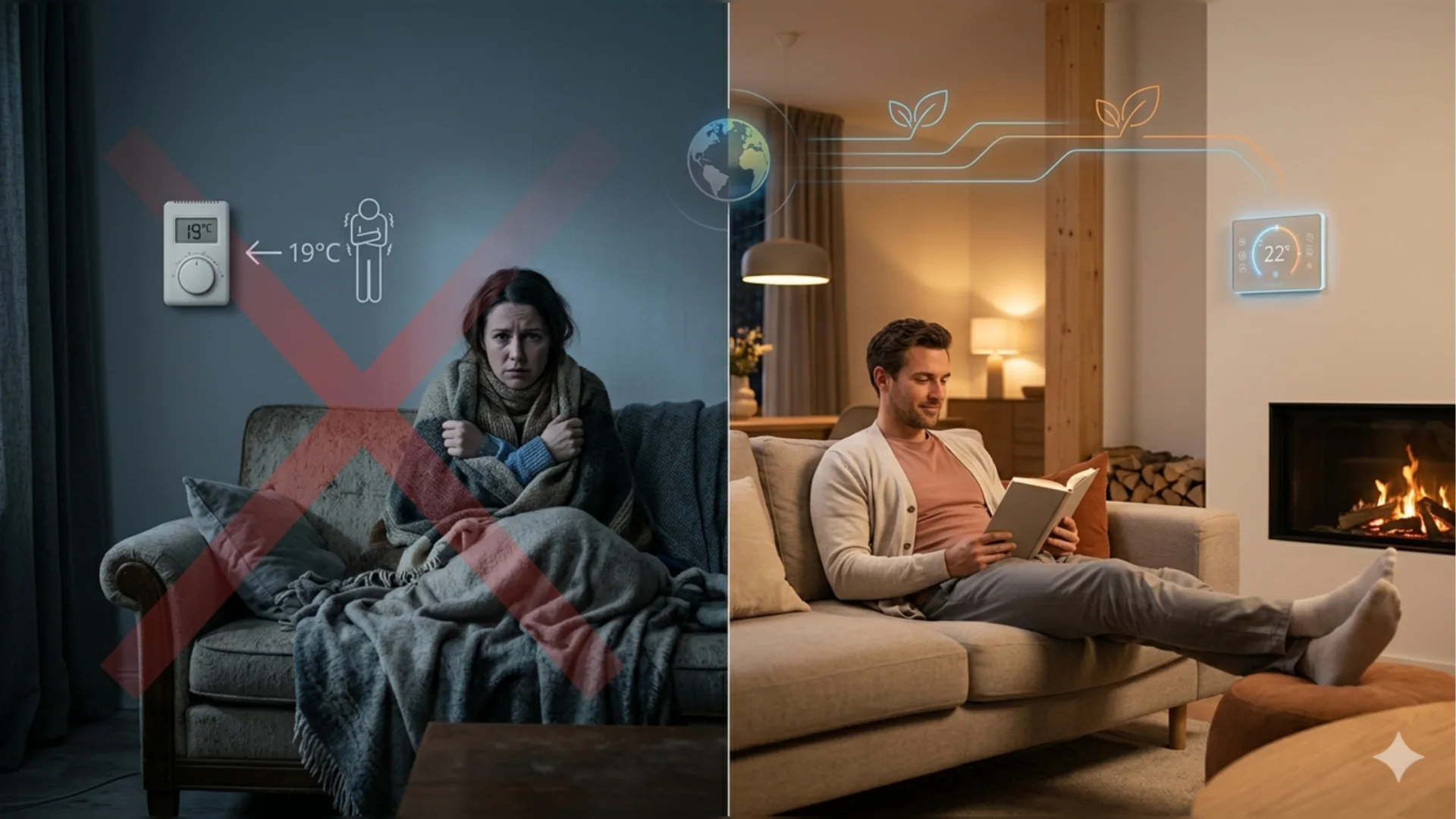
Small air leaks around doors, windows, attic spaces, and vents often go unnoticed until hurricane season brings heavy rain and strong wind pressure. In many homes, constant heat and humidity slowly wear down seals and weather stripping, allowing outside air and moisture to enter the house. Homeowners should check for drafts near windows, uneven indoor temperatures, and gaps around exterior doors because those signs usually point to hidden air leaks. Attic access points and older ductwork also deserve attention since humid air entering those spaces can lead to moisture buildup and mold growth over time. Simple fixes like replacing worn weather stripping or sealing small gaps help improve energy efficiency and reduce indoor moisture problems. Addressing air leaks before storms arrive helps protect both comfort and indoor air quality during hurricane season.
Trees and Yard Items Become Serious Storm Hazards
Landscaping problems cause more storm damage than many homeowners expect. Weak tree branches can snap during high winds and fall onto roofs, vehicles, fences, or power lines. Local properties with large oak trees or palms should be inspected carefully before hurricane season begins. Dead branches, leaning trees, and overgrown limbs near the home deserve immediate attention. Trimming trees early is safer and easier than waiting until a storm warning appears. Yard items also become dangerous during hurricanes. Patio furniture, planters, grills, and decorative pieces can blow across the property and damage windows or vehicles. Homeowners should create a clear storage plan for outdoor items before storms arrive. Taking care of these hazards early reduces property damage and improves safety for everyone in the home.
Outdoor Electrical Systems Need a Safety Check
Outdoor electrical systems often get exposed to rain, flooding, and salt air long before hurricane season starts. That exposure slowly wears down outlets, wiring, and electrical connections around the property. Homeowners should inspect outdoor outlets for loose covers, rust, or visible damage because water entering those areas creates serious safety risks during storms. Pool equipment, landscape lighting, and irrigation controls also deserve attention before heavy rain arrives. Backup generators should be tested early to make sure they start properly and run safely under load. Fuel levels, extension cords, and transfer switches need inspection as well. Generators should always stay outside and away from windows or doors to prevent carbon monoxide exposure. Taking care of electrical issues early helps homeowners avoid dangerous problems during extended power outages.
Hurricane Supplies Should Be Ready Before Warnings Start
Many homeowners wait until a storm enters the forecast before checking emergency supplies, which usually leads to empty store shelves and rushed decisions. Hurricane preparation works better when supplies get organized well before the season becomes active. Homeowners should inspect hurricane shutters, anchors, and mounting hardware to make sure everything works properly. Missing bolts or damaged panels become major problems once strong winds arrive. Emergency kits should include bottled water, flashlights, batteries, medications, phone chargers, and important paperwork stored in waterproof containers. It also helps to keep basic tools, fuel supplies, and pet items in one easy-to-access location. Families should review evacuation routes and communication plans ahead of time. Early preparation reduces stress and helps homeowners respond faster when weather conditions suddenly change.
Air Conditioning Systems Need Storm Preparation Too
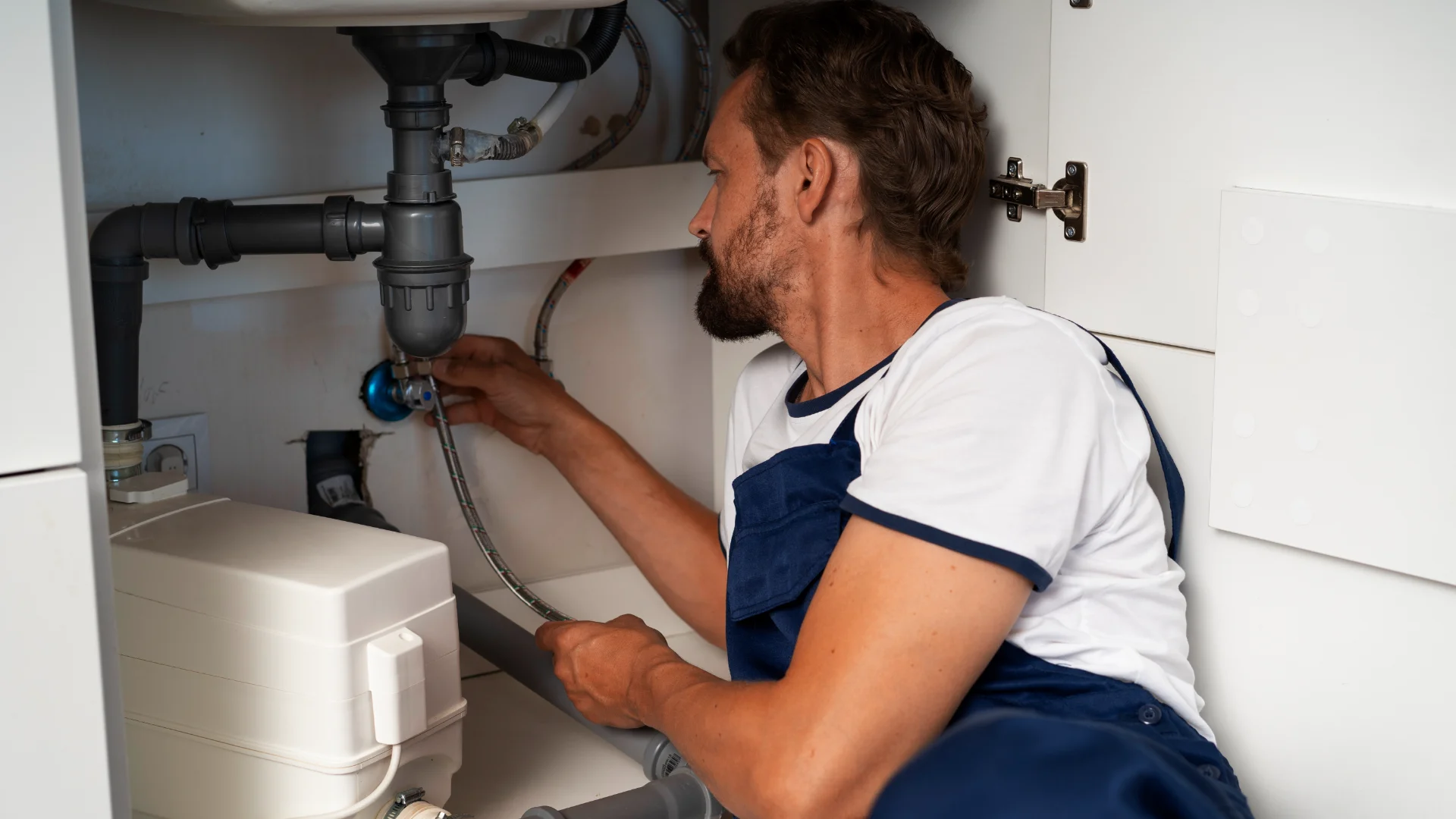
Air conditioning systems work harder in Sarasota because of constant heat and humidity, which makes regular inspections especially important before hurricane season. Outdoor condenser units should sit on stable ground and remain free from loose debris or overgrown plants. Strong winds can damage exposed units quickly when branches or outdoor objects strike them during storms. Homeowners should also inspect drain lines because clogged lines often lead to indoor water leaks and moisture buildup. Dirty air filters reduce airflow and place extra strain on the system during hot weather. Attics deserve attention as well since poor ventilation traps humidity and increases the chance of mold growth after storms. Scheduling HVAC maintenance before hurricane season helps homeowners avoid unexpected breakdowns during periods of extreme heat and power interruptions.
Preparing your home for hurricane season takes planning, careful inspections, and attention to small problems before they become serious. Roof damage, clogged drainage, weak garage doors, and hidden moisture issues can create expensive repairs when storms arrive. Many homeowners focus on emergency supplies while overlooking the condition of the home itself. A full property inspection helps identify areas that need repair before weather conditions become dangerous. It also gives homeowners more time to schedule contractors and avoid emergency service delays during active storms. Hurricane preparation works best when handled early and consistently every year. Taking a proactive approach protects the home, improves safety, and helps families feel more prepared throughout Florida’s storm season.