The Fireplace as an Architectural Focal Point
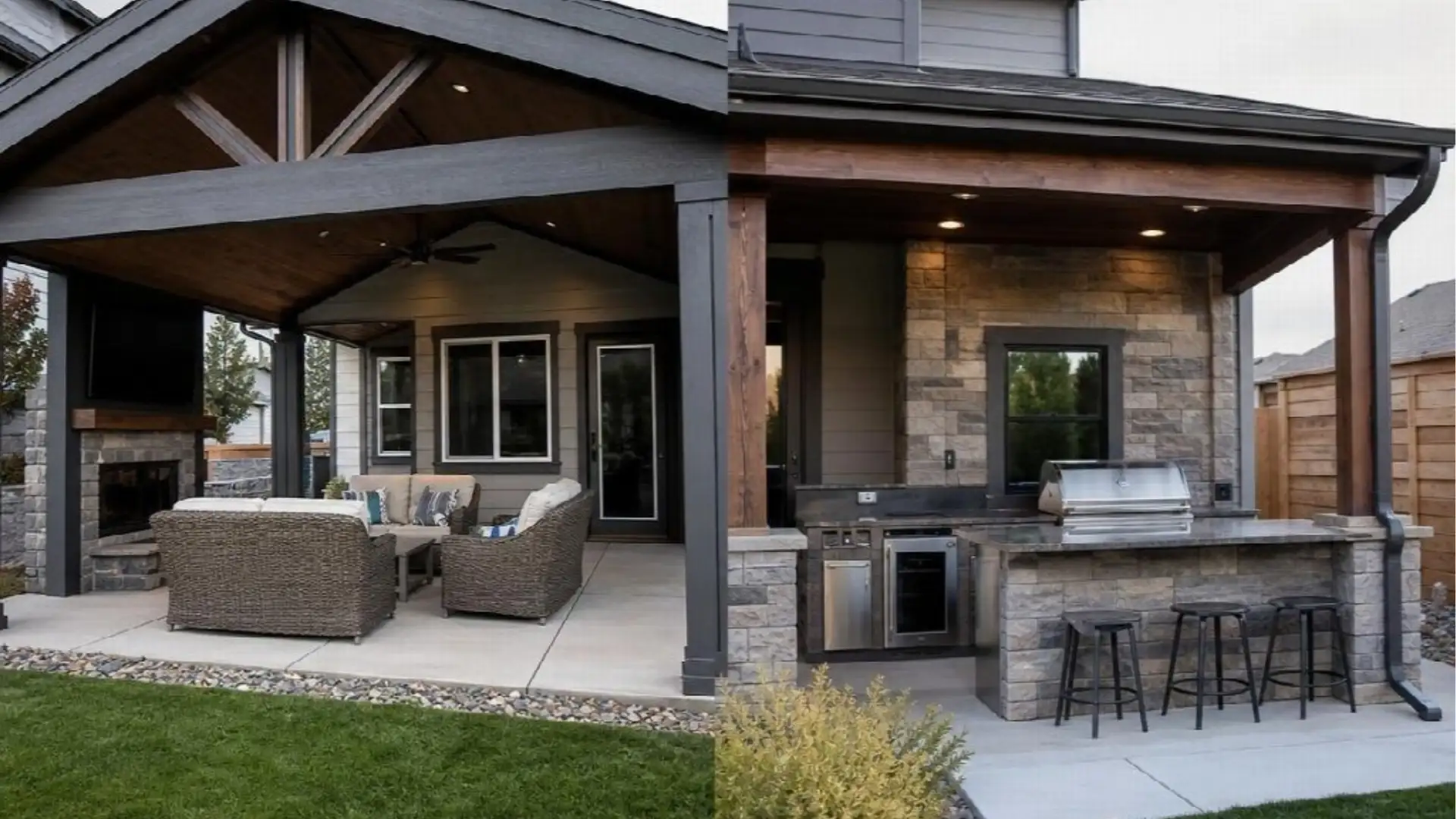
Fireplaces have always occupied a unique place within residential architecture because they naturally become gathering points inside the home. Even in contemporary interiors where heating systems are largely concealed, fireplaces continue to define furniture layouts, shape circulation patterns, and establish visual balance within large living spaces. Their combination of scale, texture, and permanence makes them one of the most influential architectural elements in any room.
Yet many fireplace designs still struggle to feel complete when the area above the hearth lacks depth or material contrast. Large expanses of drywall or minimally detailed trim can leave the fireplace visually disconnected from the surrounding architecture. Rustic interiors solve this problem particularly well by introducing exposed timber features that create stronger horizontal emphasis while adding handcrafted warmth and texture to the space.
Why Rustic Interiors Depend on Natural Materials
Rustic architecture relies heavily on visible material authenticity. Stone, reclaimed wood, exposed beams, and rough-cut timber surfaces create interiors that feel grounded and architecturally substantial. Unlike smooth synthetic finishes, natural materials contain irregular grain patterns, tonal shifts, and visible imperfections that contribute to a handcrafted appearance.
This material honesty becomes especially important around fireplaces because the hearth already introduces heavy visual texture through brick, stone, or masonry surfaces. Exposed timber above the fireplace helps balance that weight while creating a more cohesive transition between the fireplace structure and the surrounding room.
How Exposed Timber Creates Fireplace Character
What Fireplace Feature Adds Rustic Timber Character Above the Hearth?
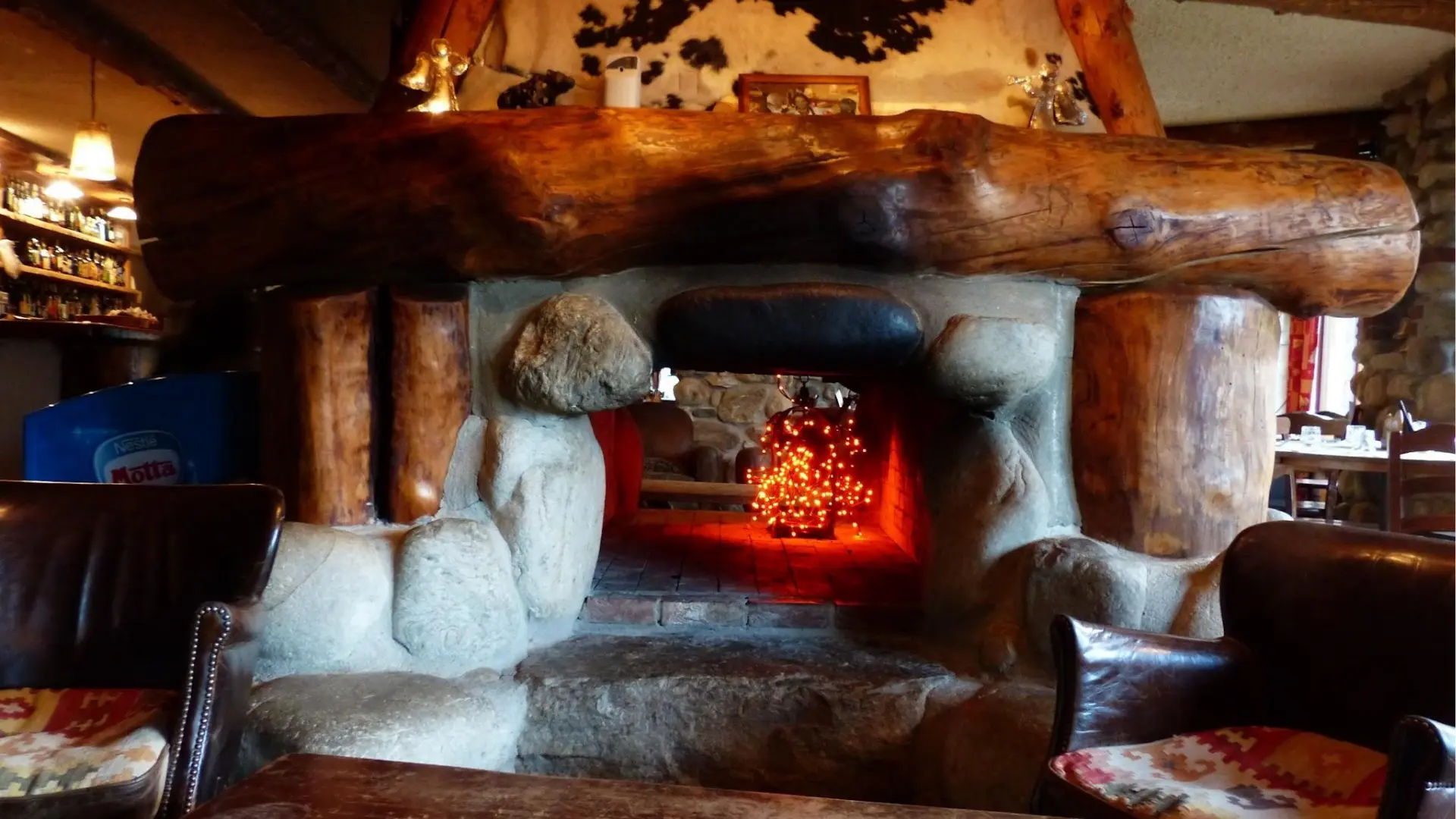
Fireplaces naturally become the visual center of a room because they anchor furniture layouts, create horizontal balance across large walls, and introduce texture through masonry, stone, or brick surfaces. Without a substantial architectural feature above the hearth, however, many fireplace surrounds feel visually incomplete and disconnected from the surrounding interior design. Rustic interiors frequently solve that problem by introducing exposed timber elements that add depth, natural texture, and handcrafted character around the fireplace opening.
Many residential renovation and custom-home projects use rustic timber mantels to establish that exposed wood focal point while reinforcing the natural warmth associated with lodge, farmhouse, and timber-frame interiors. Rough-hewn timber construction introduces visible grain variation, saw marks, and heavier beam proportions that smooth-finished millwork cannot reproduce convincingly. Timber fabricators also customize mantel dimensions, beam profiles, finish treatments, and wood species so the fireplace feature aligns cleanly with surrounding ceiling beams, flooring, trim systems, and architectural millwork. That custom fabrication becomes especially important in open-concept living spaces, stone fireplace designs, and rustic interiors where exposed wood detailing defines the visual identity of the environment.
The combination of handcrafted timber texture and architectural scale makes exposed fireplace beams common in mountain homes, farmhouse renovations, timber-frame structures, and large residential gathering spaces. Builders create stronger visual depth without relying on synthetic decorative systems that interrupt the continuity of natural wood design. Custom timber manufacturing also allows fireplace features to coordinate cleanly with matching beams, brackets, columns, and entry details throughout the interior.
Why Heavy Timber Creates Visual Balance
One of the reasons exposed timber works so effectively above fireplaces is its ability to visually balance the weight of masonry materials below. Stone hearths and brick surrounds often create dense texture concentrated in the lower half of the wall. Without a substantial horizontal feature above the opening, the entire composition can appear visually bottom-heavy.
Natural Texture Creates Warmth
Rough-hewn timber introduces organic warmth that softens the hardness of masonry surfaces. Grain movement, saw marks, and natural color variation create a layered visual effect that changes throughout the day as light interacts with the wood. This dynamic quality helps rustic interiors feel more inviting and architecturally rich.
Designers often coordinate exposed fireplace timber with surrounding flooring materials to create stronger continuity throughout the room. Warm natural wood tones beneath exposed ceiling beams and fireplace mantels reinforce the handcrafted atmosphere associated with lodge and farmhouse interiors. Discussions surrounding stained oak flooring in residential interiors reflect how flooring and timber architectural details frequently work together to shape the overall warmth of a living space.
Customization Defines High-End Rustic Fireplaces
No two fireplace walls share identical proportions, ceiling heights, or surrounding materials, which makes customization especially important in exposed timber design. Timber fabricators frequently tailor mantel depth, beam dimensions, edge profiles, and finish treatments so the fireplace feature integrates naturally with adjacent architectural elements.
This customization becomes particularly important in open-concept homes where exposed wood remains visible across multiple rooms simultaneously. Coordinating fireplace beams with ceiling structures, columns, staircases, and trim systems creates a more unified architectural language throughout the interior.
Timber Continues Shaping Modern Sustainable Design
The renewed popularity of exposed timber extends beyond rustic interiors into broader architectural conversations surrounding sustainability and material efficiency. Designers increasingly value timber because it combines structural capability with visual warmth while supporting more environmentally conscious construction approaches.
Recent discussions surrounding timber extensions for sustainable building design highlight how exposed wood construction continues influencing both residential and commercial architecture. This broader appreciation for timber reinforces its continued relevance in custom fireplace design and handcrafted interior detailing.
The Brand Influence of Rustic Timber Fireplaces
Exposed timber fireplace detailing has become strongly associated with premium residential architecture because it communicates craftsmanship, permanence, and material authenticity immediately. Rough-hewn mantels and visible timber beams suggest artisan construction and handcrafted design in ways that synthetic decorative systems rarely achieve.
Architects and designers also appreciate the versatility of exposed timber because it complements a wide range of architectural styles. Rustic fireplace beams appear equally effective in mountain lodges, modern farmhouse interiors, craftsman homes, and large open-concept renovations seeking additional warmth and texture. Their adaptability allows timber fireplaces to remain timeless despite evolving design trends.
Conclusion
Rustic fireplaces feel more architectural with exposed timber because natural wood introduces scale, texture, and handcrafted character that help anchor the fireplace visually within the room. Rough-hewn timber mantels create stronger horizontal balance while reinforcing the warmth and authenticity associated with traditional rustic design.
Exposed timber continues to remain one of the most effective ways to elevate fireplace architecture because it combines structural presence with natural material beauty. Whether incorporated into farmhouse interiors, mountain homes, or timber-frame living spaces, handcrafted fireplace beams help transform ordinary hearths into defining architectural focal points that shape the atmosphere of the entire room.