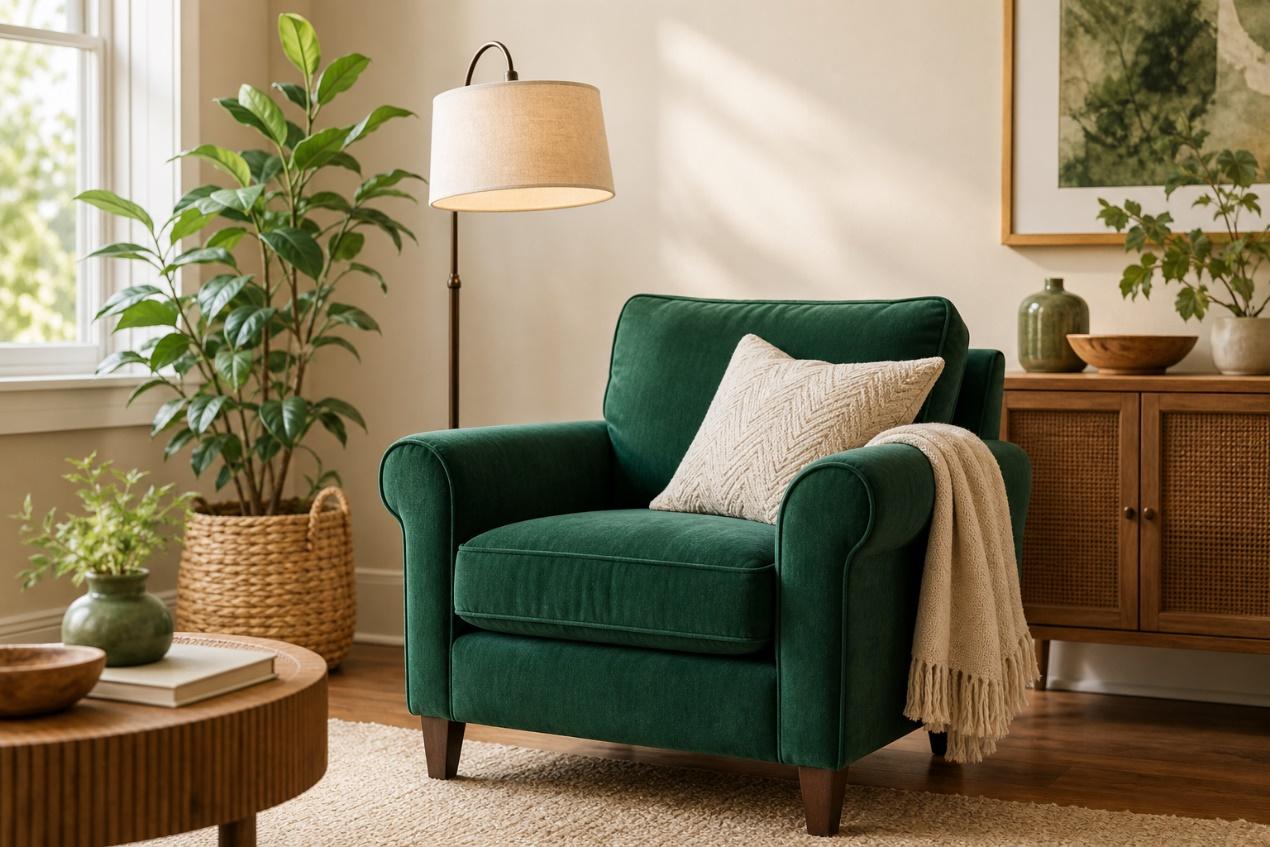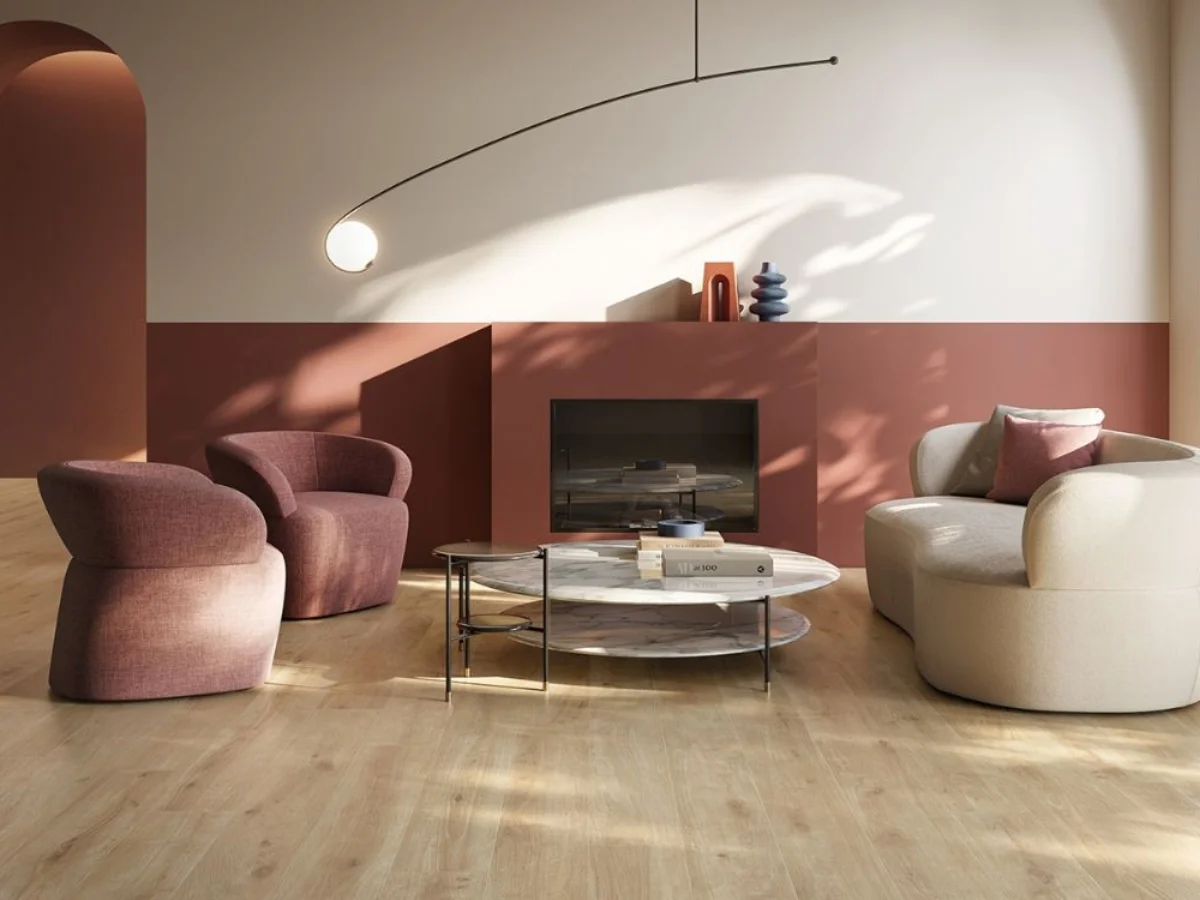
The luxury in modern architecture is now more difficult to distinguish. It is no longer conveyed through excessive scale or gilt decoration, but through the depth of materials that anchor a space. In this lower pitch, stained oak flooring has reappeared as a protagonist — not as a nostalgic throwback, but as an advanced design tool capable of manipulating color, texture, and light to create interior identity.
The content itself is liberal, aligning with the idea of stylish home essentials that balance form and function. European oak, with its high grain and inherent hardness, takes stain in a most expressive manner. An almost carbon-colored stain can transform a broad plank floor into a reflective surface that gives a room a sense of gravitas. Pale honey-colored stains preserve the original warmth and figure of the timber, bringing an airy, unobtrusive beauty to spaces where daylight is plentiful.
Stained oak, in contrast to uniform synthetic substitutes, retains its history: the medullary rays, the pippy knots, and the subtle variation of colour between boards. Such inherent irregularity is precisely what a design ethos that values authenticity and a physical relationship with nature seeks to celebrate.
The move is in part reactionary. Decades of whitewashed, minimal interiors are yielding to a desire for depth. Stained oak floors provide this form of chromatic richness while remaining an all-natural, breathing product. They are intelligently paired with raw concrete, patinated brass, and slatted timber, which prevail in high-end residential projects. The finish does not disguise the wood; instead, it works with the wood, enhancing the patina and giving designers a lever to either contrast with pale walls or harmonize with darker joinery. This renders the floor a component of the atmosphere to be considered, rather than an appendix added afterwards.
Aging and durability are another dimension of appeal. A finely stained and lacquered oak floor does not just stand the test of time — it develops gracefully and gathers a subtle testimony of life that adds to its beauty. It is a low-maintenance luxury that performs in high-traffic kitchens and tranquil bedrooms alike, as well as in modern living rooms where both style and resilience matter.
Homeowners are slowly realizing that investing in the skin of a room — the surface you walk on, feel, and see every day — pays daily dividends in sensual pleasure that a statement artwork can never match.
The material-led approach, with its variety of stained oak finishes and its balance between precision milling and deep, even colour penetration, is long understood by specialist timber suppliers such as wfa.com. Their knowledge of fuming and reactive staining enables architects to specify floors that feel custom made, not off the shelf.
The silent wave is evident: the essence of luxury becomes more about content than style. Typical of this development is stained oak flooring, a substance that whispers softly underfoot of a house becoming a place of real, lasting warmth.