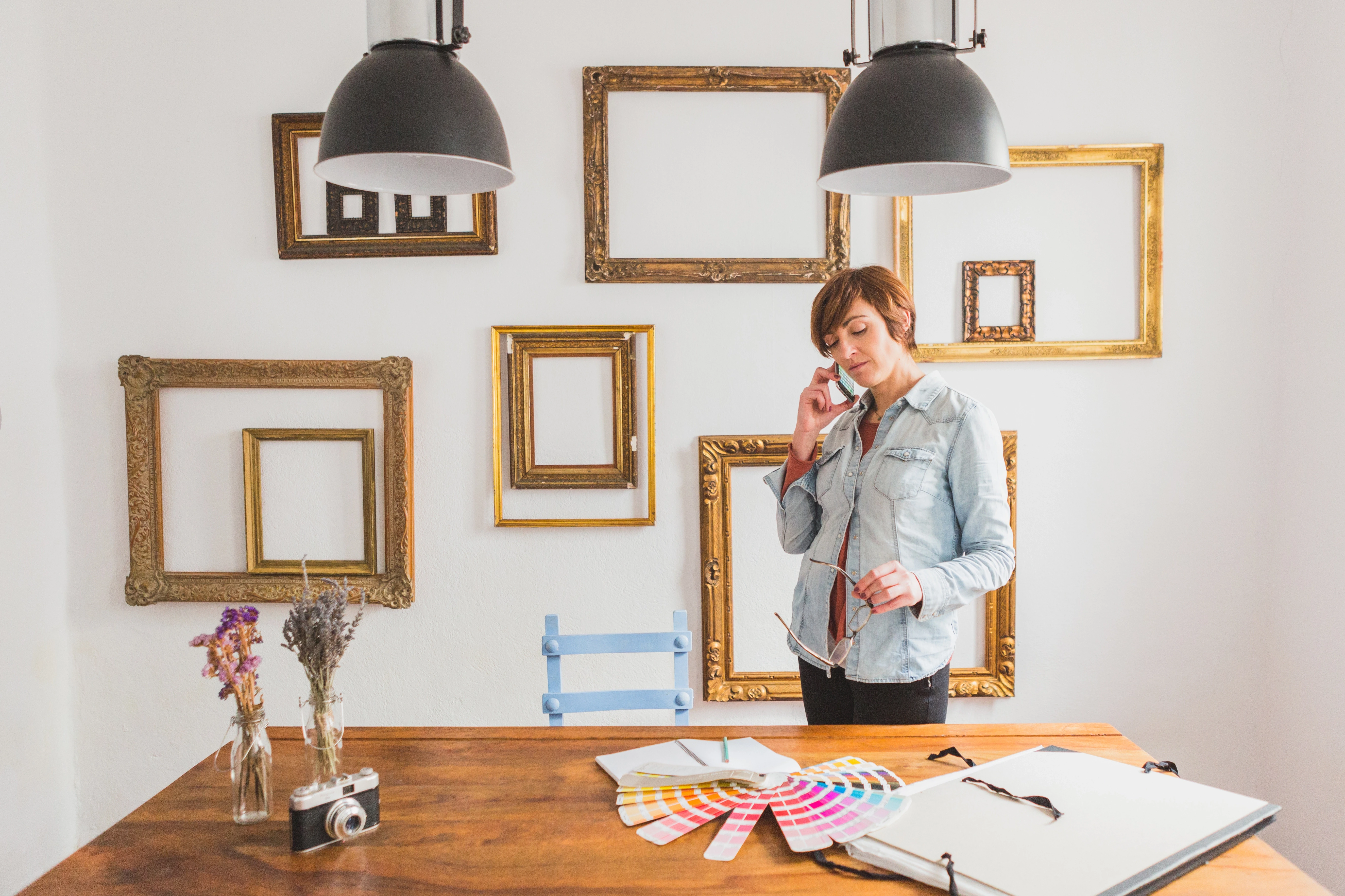
Presenting home decor ideas professionally is often harder than coming up with the ideas themselves. Many homeowners and designers struggle to turn inspiration into something clear and convincing. A strong presentation helps others understand your vision, trust your taste, and take action. In this guide, you will learn practical ways to organize, visualize, and communicate your decor ideas so they look polished and professional.
Why Professional Presentation Matters in Home Decor
A well-presented decor idea does more than look pretty. It builds confidence and reduces confusion. Whether you are sharing ideas with family, clients, or an online audience, clarity is key. Professional presentation helps you communicate your vision clearly, avoid misunderstandings, highlight your design thinking, and make ideas easier to execute.
For example, showing a complete living room concept with colors, textures, and layout is far more effective than describing it verbally. Visual communication improves decision-making and saves time. According to research from the Interaction Design Foundation, visual content improves understanding by up to 400% compared to text alone. This makes visuals essential in home decor presentations.
Takeaway:
A clear and visual presentation turns abstract decor ideas into practical, actionable plans.
Start With a Clear Concept and Theme
Before you present anything, define your core idea. A strong concept acts as the foundation of your presentation.
What is a Decor Concept?
A decor concept is the central idea that guides your design choices, including color, furniture, materials, and mood. For example:
- •Minimalist: Clean lines, neutral tones, clutter-free
- •Rustic: Natural textures, wood, earthy colors
- •Modern: Sleek furniture, bold accents, simple layout
When your concept is clear, every element you present feels connected. Without it, your ideas may look random or inconsistent.
How to Build a Strong Concept
- •Choose a primary style
- •Pick a color palette (3–5 colors)
- •Define the mood (cozy, airy, bold, calm)
- •Select key materials
Consistency is what makes your presentation look professional.
Takeaway:
A defined concept keeps your decor ideas focused, cohesive, and easy to understand.
Use Mood Boards to Visualize Ideas
Mood boards are one of the most effective tools in home decor presentation. They help translate ideas into visuals quickly.
What is a Mood Board?
A mood board is a visual collage of images, textures, colors, and objects that represent your design idea. You can create mood boards using tools like invideo, Canva, Pinterest, or Adobe Express. Include elements like:
- •Furniture styles
- •Fabric textures
- •Color swatches
- •Lighting examples
- •Decorative accents
Mood boards are especially useful when explaining ideas to others who may not understand design terminology. For inspiration, you can explore related ideas on homediscovering.com's decor guides and room styling tips to align your visuals with practical applications.
Takeaway:
Mood boards turn abstract ideas into visual stories that others can instantly understand.
Create Floor Plans and Layouts
A beautiful idea is not enough. You also need to show how it fits into a real space.
Why Layouts Matter
Layouts help answer practical questions: Where will furniture go? How will people move through space? Does everything fit properly?
Simple Tools for Layouts
- •Roomstyler
- •SketchUp
- •Floorplanner
Even a basic sketch can make a big difference. Use labels and dimensions to make your plan clear.
Tips for Better Layout Presentation
- •Keep walkways clear
- •Balance large and small furniture
- •Focus on functionality
Good layouts show that your idea is not only stylish but also practical.
Takeaway:
Layouts make your decor ideas realistic, functional, and easier to execute.
Use High-Quality Visual Content
Images are powerful, but videos take your presentation to the next level. When you create video, you allow viewers to experience the space in a more dynamic and engaging way.
Why Video Works Better
- •Shows depth and movement
- •Builds emotional connection
- •Explains ideas more clearly
Types of Videos to Create
- •Room walkthroughs
- •Before-and-after transformations
- •Design explanation clips
Tools to Create Video
- •Adobe Express
- •Canva Video Editor
- •CapCut
According to HubSpot, video content is one of the most engaging formats online, increasing user retention significantly. Keep your videos short and focused. Highlight key design elements instead of overwhelming viewers with too much detail.
Takeaway:
Video adds depth and clarity, making your decor ideas more engaging and easier to visualize.
Write Clear and Simple Descriptions
Visuals alone are not enough. You need words to explain your choices.
What to Include in Descriptions
- •Why you chose certain colors
- •How furniture improves functionality
- •What mood the space creates
Avoid complex design jargon. Use simple language that anyone can understand.
Example
Instead of saying: "Biophilic elements enhance spatial harmony,"
Say: "Adding plants makes the room feel fresh and calming."
Clarity builds trust and keeps your audience engaged.
Takeaway:
Simple, clear descriptions make your decor ideas accessible and easy to follow.
Organize Your Presentation Like a Story
A professional presentation follows a logical flow. Think of it as storytelling.
Suggested Structure
- •Problem or goal: What needs improvement?
- •Concept: What is your idea?
- •Visuals: Mood board, images, video
- •Layout: How it works in space
- •Final result: What it will look like
This structure helps your audience move from confusion to clarity. People connect with stories more than isolated ideas. A structured flow keeps them engaged and helps them remember your design.
Takeaway:
Organizing your ideas like a story makes your presentation more engaging and easier to understand.
Add Real-Life Examples and References
Examples make your ideas more believable and practical.
Where to Find Inspiration
- •homediscovering.com articles
- •Interior design blogs
- •Pinterest boards
You can also reference trusted sources like the American Society of Interior Designers (ASID) for design standards and insights.
How to Use Examples Effectively
- •Show before-and-after comparisons
- •Highlight similar spaces
- •Explain what works and why
Examples bridge the gap between theory and real-world application.
Takeaway:
Real-life examples strengthen your presentation and make your ideas more credible.
Keep It Clean and Visually Balanced
A cluttered presentation weakens even the best ideas.
Design Principles to Follow
- •Use white space
- •Limit text on each slide or section
- •Stick to 2–3 fonts
- •Maintain color consistency
Avoid overloading your presentation with too many elements. Simplicity looks more professional.
Takeaway:
Clean and balanced visuals make your presentation look polished and professional.
FAQ Section
How can I present home decor ideas without design experience?
Start with mood boards and simple layouts. Use clear visuals and basic tools like Canva to organize your ideas.
Takeaway:
Simple tools and visuals are enough to present decor ideas effectively.
What is the best format for presenting decor ideas?
A mix of images, mood boards, and short videos works best. Combine visuals with short explanations.
Takeaway:
Use a mix of visuals and text for a clear and engaging presentation.
Do I need professional software to create presentations?
No. Many free tools like Canva, Pinterest, and basic video editors are enough to create professional results.
Takeaway:
You can create strong presentations using free and simple tools.
How long should a decor presentation be?
Keep it concise. Focus on key ideas and avoid unnecessary details. Aim for clarity over length.
Takeaway:
Short and focused presentations are more effective than long ones.
Why is video important in decor presentations?
Video shows movement, space, and depth, making it easier for viewers to understand your ideas.
Takeaway:
Video improves clarity and engagement in decor presentations.
Conclusion
Presenting home decor ideas professionally is about clarity, structure, and visual storytelling. When you combine a strong concept, mood boards, layouts, and engaging visuals like video, your ideas become easier to understand and more convincing. Simple language, real-life examples, and clean design further enhance your presentation.
Consistency and organization are what set professional presentations apart from casual ones. Focus on making your ideas clear, practical, and visually appealing.
Takeaway:
A professional decor presentation blends clear concepts, strong visuals, and simple explanations to turn ideas into actionable designs.