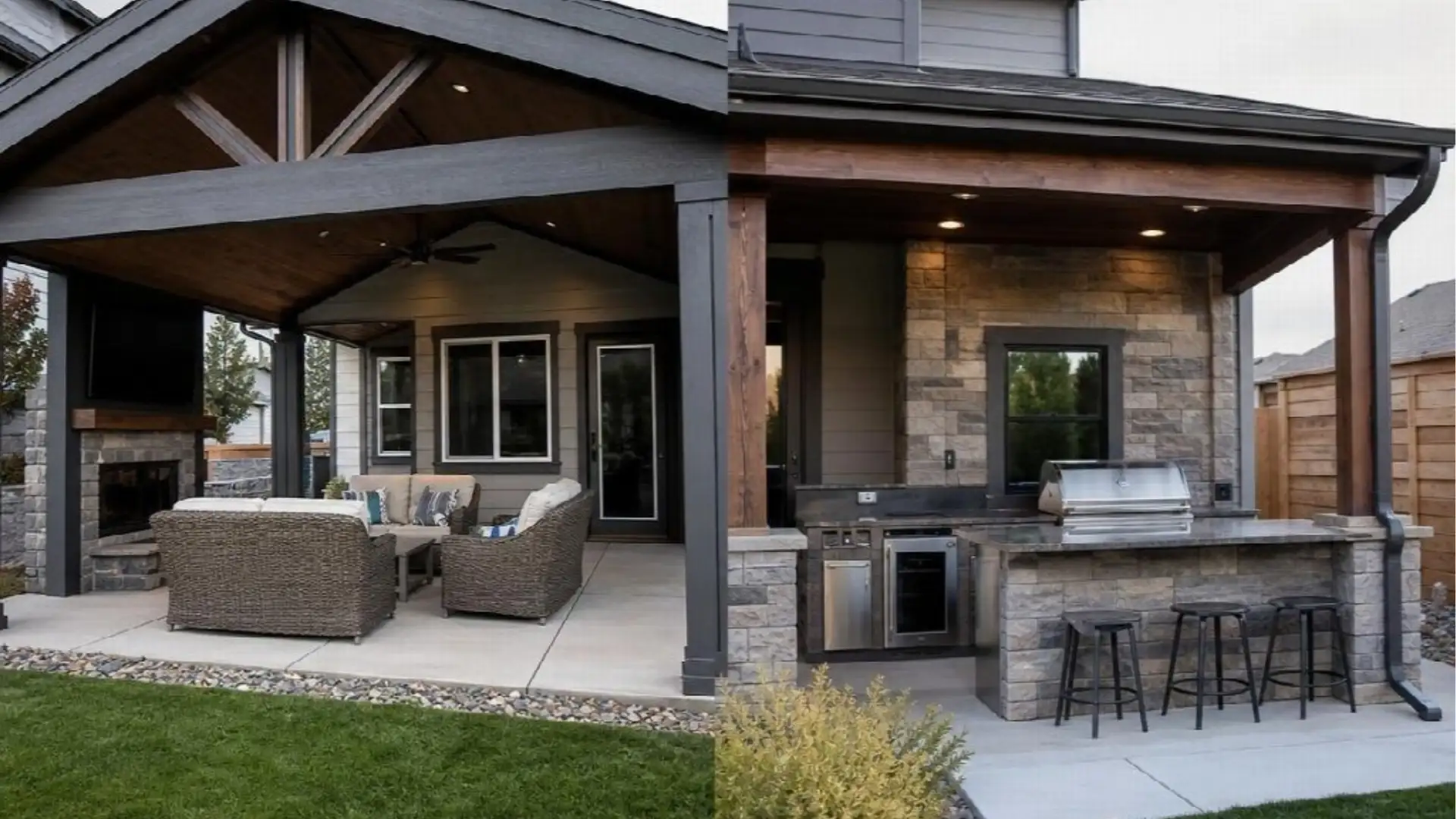
Buying a house is a major decision, and many people feel attracted to older homes because of their unique style, strong construction, and established neighborhoods. Older homes often have larger room sizes, mature trees outside, and a classic design that many modern houses don’t offer. For more useful guides, explore our Cleaning section.
However, buying older home also comes with certain risks that you should understand before making a final decision. This guide will help you evaluate the property, understand common issues, and make a smart choice that protects your money and future comfort.
Why People Prefer Buying Older Home
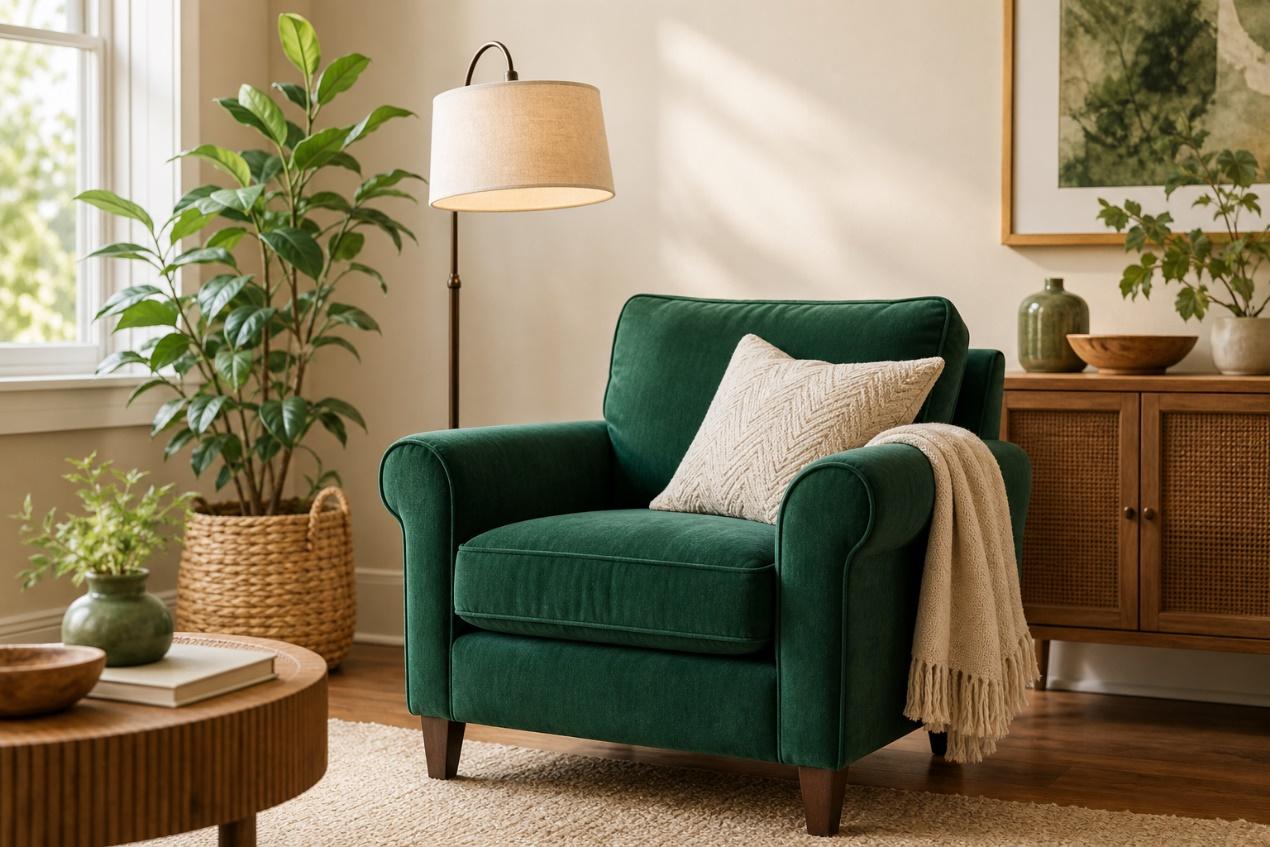
Older homes often have charm and character. They may include architectural details like wooden floors, strong brick walls, and traditional layouts that feel warm and comfortable. Many older homes are also located in well-developed areas where roads, markets, schools, and parks are already built.
Another major reason is that older homes can sometimes be more affordable than newly built houses in the same location. You may get a larger plot size or a better location for the same budget. For many buyers, buying older home becomes a good option when they want value and a strong neighborhood.
Pros of Buying Older Home
Every older home has its benefits, and if the property is well-maintained, it can be a great investment. You can enjoy more space, strong construction, and the ability to renovate according to your style.
Here are some key advantages many buyers enjoy:
- •Strong construction and solid materials
- •Better neighborhoods with established facilities
- •More room sizes and larger land areas
If you choose wisely, buying older home can give you more comfort and long-term value than a newly built property.
Cons of Buying Older Home You Must Consider
Along with benefits, older homes can have hidden problems. Some issues are easy to fix, while others can become expensive and stressful. The biggest risk is buying without a full inspection and later discovering serious repairs.
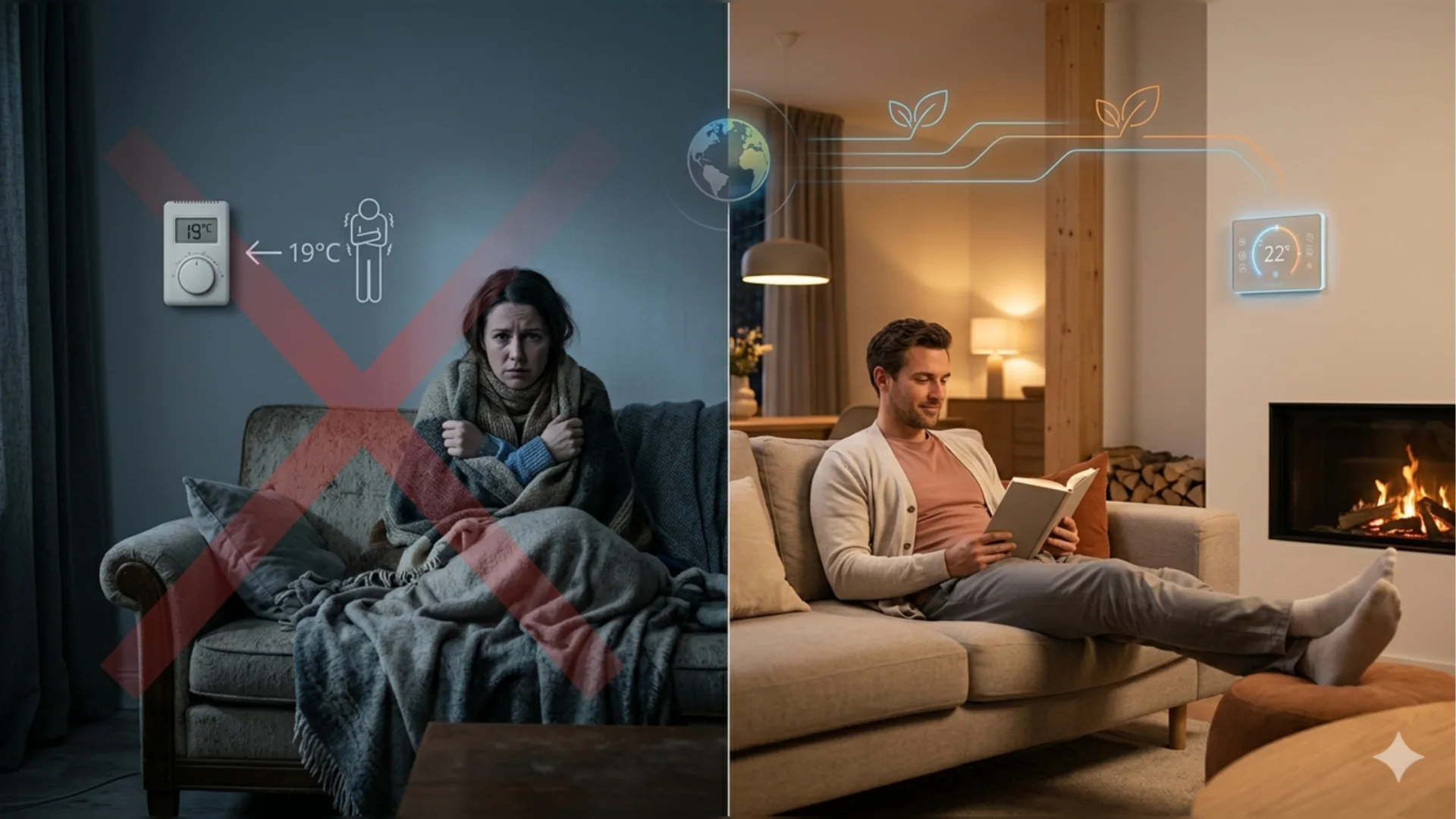
Old plumbing lines, wiring systems, roof damage, and moisture issues can increase repair costs. Some older homes may also need updates for better energy efficiency. Understanding the disadvantages helps you make a safer and more informed buying decision.
Most Common Problems in Older Homes
When you consider buying an older home, it is important to know the issues that often appear in older properties. These problems don’t always mean the home is bad, but they should be checked properly.
Plumbing Issues and Water Leaks
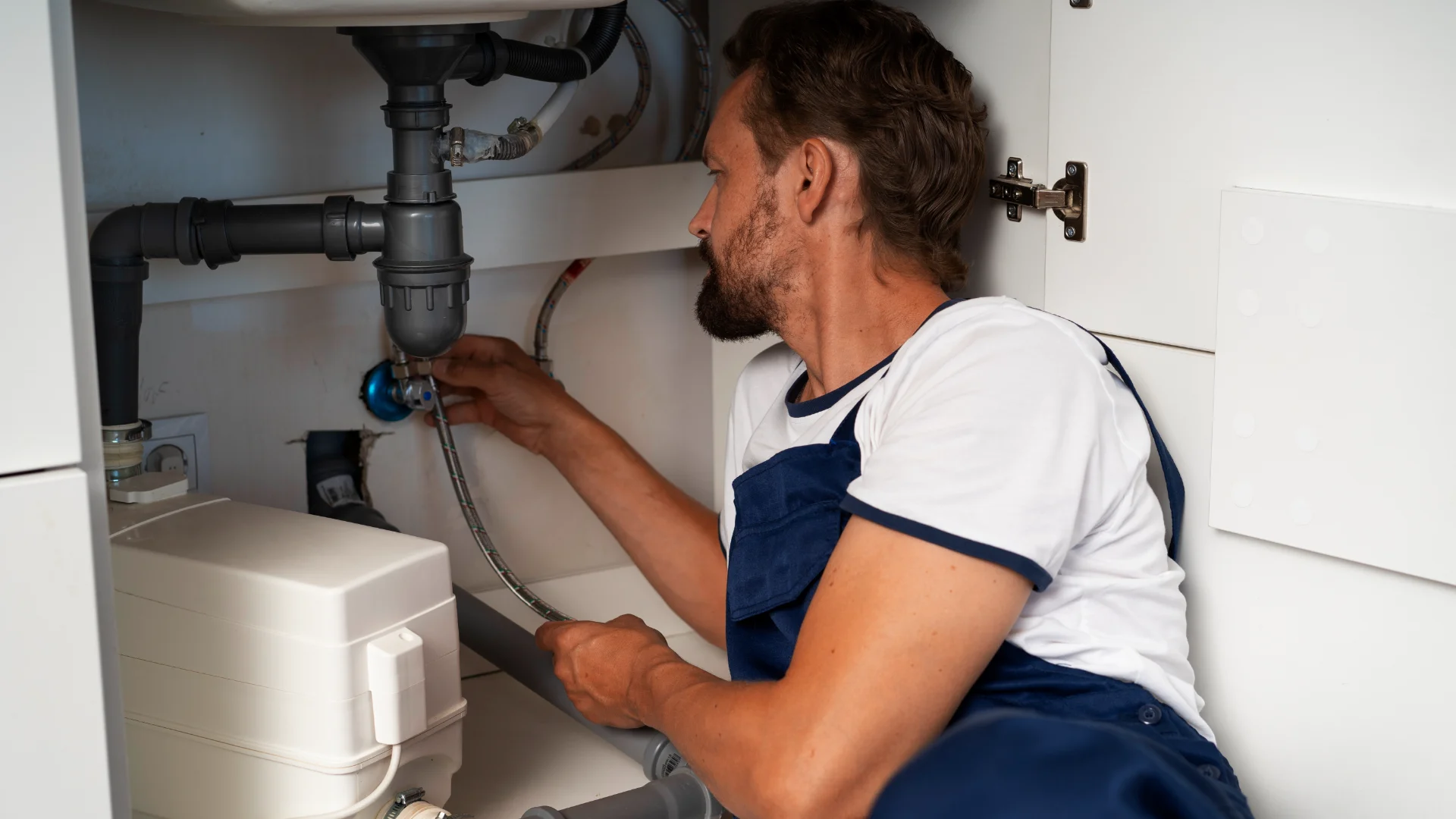
Older homes may have outdated plumbing materials that corrode with time. This can cause low water pressure, pipe leaks, and even wall moisture damage. Bathrooms and kitchens are usually the most affected areas.
Before buying, check water flow and look for stains on walls or ceilings. Any sign of dampness should be taken seriously.
Electrical Wiring and Safety Risks
Many older houses have wiring systems that are not designed for modern electricity usage. This can create safety concerns such as overloaded circuits, frequent power trips, or even fire risks.
Always check the electrical panel and ask for an electrician inspection. A wiring upgrade may cost money, but it improves safety and supports modern appliances.
Roof, Ceiling, and Structural Issues
Roof repair is one of the most expensive home fixes. Older roofs may have damaged tiles, leaks, or weak support structures. Ceiling cracks can also indicate deeper structural issues.
Inspect the roof condition carefully. If possible, check for sunlight leaks in the attic or ask a professional to evaluate the roof life.
Termites and Pest Problems
Wooden structures in older homes can attract termites. Termites can damage doors, cupboards, and even support beams, which affects the safety of the home.
Look for small holes in wood, powder-like dust, or hollow-sounding wooden surfaces. Pest inspection is essential when buying an older home to avoid future repair shocks.
Inspection Checklist Before Buying an Older Home
A proper inspection is the most important step. Never depend only on the owner’s words or surface appearance. Many problems stay hidden behind paint and decorations.
Check the foundation, walls, plumbing, electrical work, roofing, and drainage. Also check windows and doors for smooth opening and closing. Arranging a building and pest inspection Ipswich before purchasing can help uncover structural defects, timber pests, and other hidden issues that may not be obvious during a viewing. If you find major issues, you can negotiate the price or ask the seller for repairs.
A smart inspection process makes buying older home safer and helps you avoid long-term problems.
Renovation and Remodeling Costs to Plan
Older homes usually need some level of renovation. Sometimes it’s a small update like paint and flooring, and sometimes it’s major work like plumbing and electrical replacement.
Before buying, estimate renovation cost based on the home condition. Even if the house looks fine, keep a repair budget ready. Renovation planning helps you avoid financial pressure after purchase and makes the house more comfortable to live in.
Smart Tips for Buying Older Home Successfully
If you want to make a safe purchase, you must stay focused on long-term value. Don’t buy only because the house looks beautiful. Always check the condition and future repair needs.
Try to buy in a location that has long-term growth. Also check the legal papers carefully to avoid disputes. If possible, hire professionals for inspection and legal checking. These steps make buying older homes a much safer investment.
When Buying an Older Home Becomes a Better Choice
An older home can be a great option if it has a solid structure and a good location. If you plan to renovate, an older home gives you more flexibility to redesign based on your preferences.
It is also a good choice when you want a peaceful and developed neighborhood. Many older areas have better community setups and easy access to markets, schools, and public transport. In such cases, buying an older home becomes a smart decision.
FAQs
Is buying older home better than buying a new house?
It depends on your priorities. Older homes often offer better locations and larger space, while new homes offer modern systems and less repair work.
What should I check first when buying an older home?
Start by checking the structure, roof, plumbing, and electrical systems. These areas can be expensive to repair if they are in poor condition.
Do older homes need more maintenance?
Yes, older homes usually need more maintenance compared to newer ones. Regular repairs and updates help keep them safe and comfortable.
Can I negotiate the price of an older home?
Yes. If inspection shows repair needs, you can negotiate the price or request repairs from the seller before finalizing.
Is it safe to live in an older home?
Yes, it can be safe if the structure is strong and electrical and plumbing systems are updated properly. Professional inspection ensures safety.
Conclusion
Buying older home can be a smart and valuable decision when you plan carefully. Older homes offer unique charm, strong construction, and great locations, but they may also come with hidden issues like plumbing, wiring, and roof problems.
To make the best choice, always inspect the home properly, plan for renovation costs, and check legal paperwork carefully. With the right approach, an older home can become a comfortable, beautiful, and long-term investment for your future.