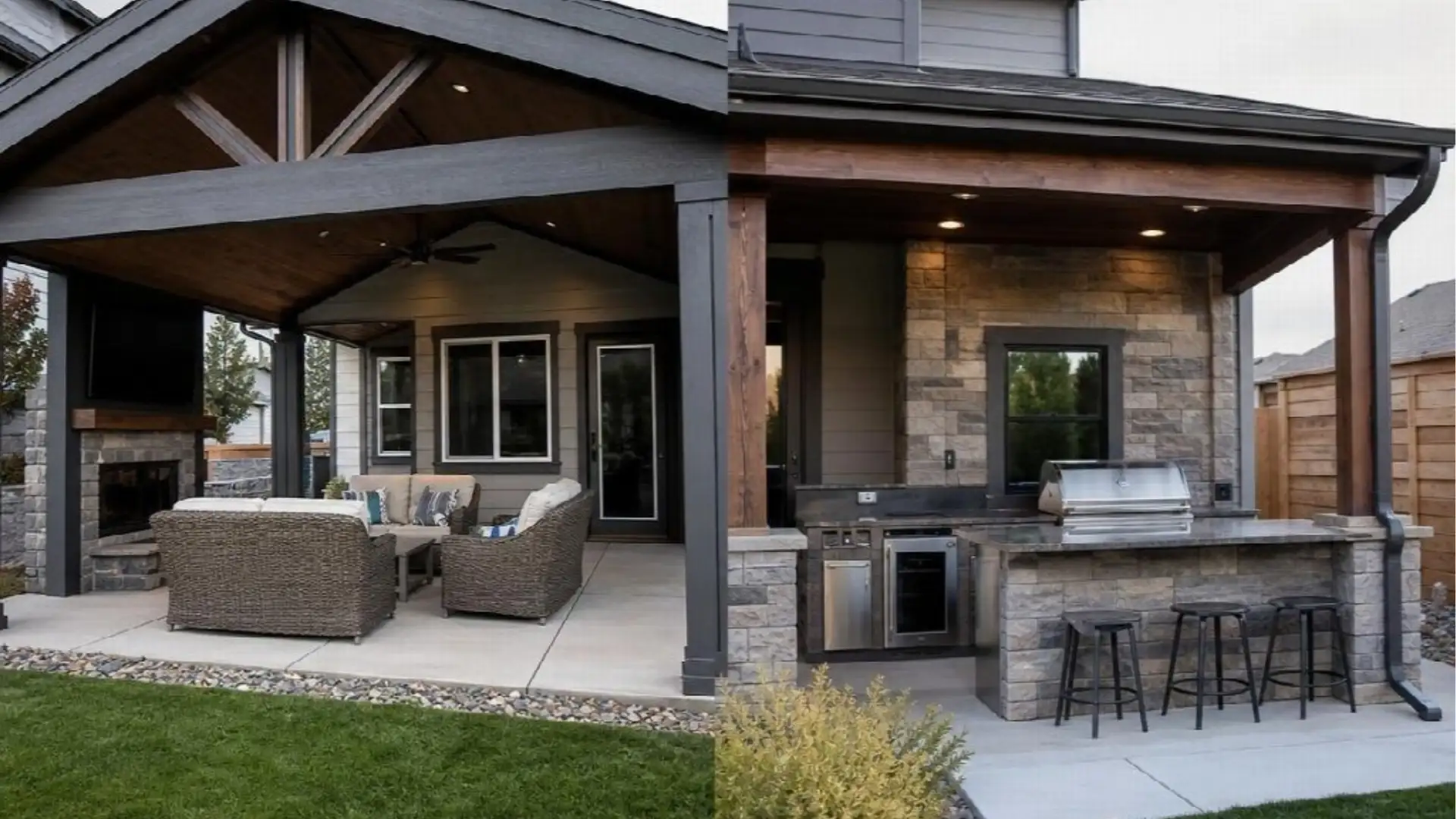
When people buy a home, they often focus on the house design, size, and finishing. But
in real estate, one factor matters more than almost anything else: location. A beautiful
home in a weak location may not grow in value, while an average home in a great area can
become a strong investment.
Understanding how location affects property value helps you make smarter buying and
selling decisions. In this guide, you will learn the key location factors that influence
home prices, rental demand, and long-term growth.
Why Location Is the Most Important Factor in Real Estate
A property’s location controls how easy life feels for the owner or tenant. It affects
travel time, daily convenience, safety, access to facilities, and the overall
environment. This is why two similar homes can have completely different prices based on
where they are built.
Location also matters because it cannot be changed. You can renovate a home, upgrade the
kitchen, or improve the landscaping, but you cannot move the house to a better
neighborhood. That’s exactly why location affects property value so strongly.
Neighborhood Quality and Its Impact on Property Prices
Neighborhood quality is one of the first things buyers check. A clean, peaceful, and
well-maintained area increases buyer confidence. People prefer neighborhoods where the
streets are safe, the environment is quiet, and homes are properly maintained.
In contrast, if a neighborhood has poor maintenance, noise issues, or a history of
crime, buyers often avoid it. Even if the house is large, the price may stay low
because demand is weaker. This is a clear example of how location affects property value
in real life.
Schools and Education Facilities Increase Property Value
Good schools are a major reason families choose a location. Homes near quality schools
usually have higher demand, and higher demand increases property prices.
Even for buyers without children, strong school districts are valuable because they
support resale value. Properties near good schools often sell faster and maintain better
long-term growth. This is one of the strongest ways location affects property value for
both homeowners and investors.
Safety and Crime Rates Influence Buyer Decisions
Safety is a top priority for everyone. A secure neighborhood creates peace of mind and
increases property demand. Areas with lower crime rates attract more families, working
professionals, and long-term tenants.
When safety is weak, buyers often hesitate, and the market value can drop. Real estate
demand is always higher in secure locations, which is why safety is a major reason
location affects property value so strongly.
Transport and Accessibility Affect Property Value
Easy access to roads and transport increases a property’s convenience. When a home is
close to major roads, public transport, or business hubs, buyers find it more
attractive.
Long travel time and traffic problems reduce interest, especially for working
professionals and students. Easy access to transport helps with daily life and increases
rental demand, which also supports property pricing. That’s another major reason
location affects property value in growing cities.
Nearby Amenities That Raise Property Value
Amenities make life easier and improve the overall living experience. Homes located near
essential services usually have higher demand.
Important amenities include shopping markets, hospitals, restaurants, parks, gyms, and
places of worship. When these are nearby, people are more willing to pay a higher price.
A location with strong amenities feels more valuable, proving again how location affects
property value directly.
Future Development and Growth Potential
Smart buyers always look at future development plans. If an area is expected to grow
with new roads, malls, schools, or business projects, property value can rise quickly.
Development increases demand because people want to buy early before prices increase. On
the other hand, if there are no development plans, property prices may grow slowly. This
long-term growth factor is a powerful reason location affects property value beyond
today’s market.
Environmental Factors and Living Comfort
The environment around a property affects how comfortable it is to live there. Clean
air, greenery, low noise, and good drainage all improve the quality of life.
If an area has flooding issues, pollution, or constant noise from traffic, it reduces
the property’s appeal. Buyers prefer locations that feel healthy and peaceful.
Environmental quality is another way location affects property value without people
realizing it instantly.
Property Value vs Rental Value: Location Matters for Both
Location does not only affect resale pricing, it also affects rental income. A good
location attracts tenants who want convenience, safety, and access to work or education.
Rental demand becomes high in areas near offices, universities, and markets. This
increases monthly rent and reduces vacancy time. This explains how location affects
property value for both investors and homeowners planning to rent out their property.
How to Check a Location Before Buying Property
Before buying, you should research the area properly. Visit at different times of day to
observe traffic, noise, and security. Check nearby facilities and understand daily
convenience.
Also ask local residents about water supply, electricity issues, and neighborhood
behavior. If possible, check future development plans through trusted sources. A strong
location check helps you buy smart and prevents regret later.
Here are a few quick things to check before finalizing:
- •Safety and security level of the area
- •Nearby schools, markets, and hospitals
- •Road access and transport availability
This simple research helps you understand how location affects property value before you
invest money.
FAQs
Why does location affect property value more than house design?
Because location controls demand and convenience. You can renovate a house, but you cannot change the neighborhood, roads, or nearby facilities.
What location factors increase property value the most?
Safety, good schools, transport access, nearby amenities, and future development are the strongest factors that increase value.
Can a bad location still have a high property value?
In rare cases, yes, if the house is extremely premium or the area has high demand for specific reasons. However, most of the time a bad location reduces value.
How can I judge if a location will grow in the future?
Look for new road projects, commercial development, new housing societies, and increasing demand in that area. Growth signs usually indicate rising value.
Does location affect property value for rental income too?
Yes. A good location increases tenant demand and allows higher rent. It also reduces vacancy time and improves long-term profit.
Conclusion
Understanding how location affects property value is one of the most important skills in
real estate. Location influences safety, convenience, education access, transport,
rental demand, and future growth, which all impact how much a property is worth.
Before buying, always research the neighborhood and think long-term. A good location can
turn an average home into a strong investment, while a weak location can limit growth
even if the house looks perfect. Choosing the right area is the smartest step for real
estate success.