Introduction
Homeownership comes with its share of responsibilities, and one of the most important is maintaining your home. From routine maintenance tasks to unexpected repairs, the costs can add up quickly. To avoid financial stress, it’s essential to have a solid budget for home maintenance and repairs.
In this article, we will guide you on how to budget for home maintenance and repairs, offering practical tips to help you plan for both expected and unforeseen expenses. By understanding how to allocate funds and prioritize projects, you’ll be better prepared to maintain your home without breaking the bank.
Determine the Average Annual Maintenance Cost
The first step in budgeting for home maintenance and repairs is to estimate the average annual maintenance cost of your home. Homeowners should expect to spend about 1-3% of the home’s value each year on maintenance and repairs.
- •Calculate a baseline: For a $200,000 home, set aside $2,000-$6,000 annually.
- •Adjust for your home’s needs: Older homes usually require higher upkeep costs.
- •Account for inflation: Plan for increasing material and labor costs over time.
Set Up a Home Maintenance Fund
One of the best ways to budget for home repairs is by setting up a dedicated home maintenance fund. This fund should be separate from your regular savings or emergency fund.
Prioritize Repairs and Maintenance Tasks
Not all home maintenance tasks are equally urgent. Focus on structural and safety issues first, such as roof leaks or faulty wiring, before moving on to cosmetic upgrades like painting.
Track Past Maintenance Expenses
Keep a detailed log of all repairs, including the cost and nature of the work. Analyzing these trends helps you predict future costs more accurately.
Plan for Seasonal Maintenance
Many tasks are seasonal. Whether it’s cleaning gutters in the fall or servicing the HVAC in summer, budgeting for these ahead of time prevents last-minute financial strain.
Factor in Home Improvement Projects
Identify value-adding projects like kitchen or bathroom upgrades. Always add a 10-20% contingency amount to your project estimates to cover unexpected overages.
Hire Professionals vs. DIY
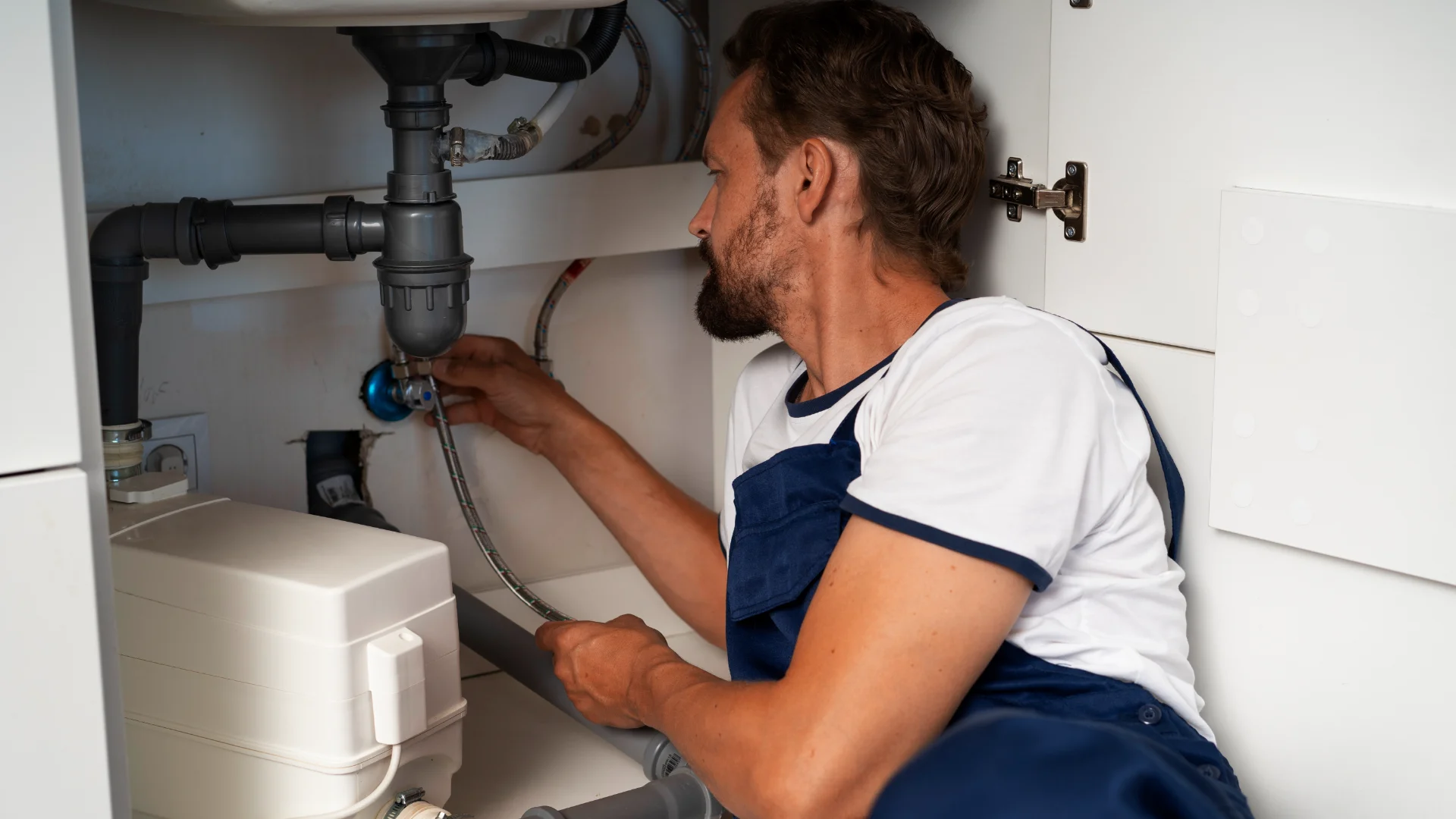
While DIY can save money on simple tasks like painting, complex electrical or plumbing issues are best handled by licensed professionals to ensure safety and quality.
Regularly Inspect Your Home
Catching small issues early is the key to low-cost maintenance. Schedule regular checks on critical systems like your roof and plumbing to spot wear and tear promptly.
Review Your Home Insurance Coverage
Review your policy annually. While insurance covers major disasters, remember that routine maintenance is almost always the homeowner's financial responsibility.
Set a Contingency Fund for Unexpected Repairs
Allocate 10-15% of your maintenance budget specifically for emergencies like a broken furnace or major leak. Keep this fund in a liquid savings account for easy access.
FAQs
Q1: How much should I budget annually for home maintenance?
A common rule of thumb is to budget 1-3% of your home’s value per year for maintenance and repairs.
Q2: Can I save money by doing DIY home repairs?
Yes, DIY can save labor costs, but complex tasks like electrical or plumbing should be left to professionals for safety.
Q3: What are some common home repairs that should be prioritized?
Priority repairs include roof leaks, plumbing issues, HVAC maintenance, and electrical problems to prevent further damage.
Conclusion
Budgeting for home maintenance is an essential aspect of responsible homeownership. By setting up a dedicated fund and performing proactive inspections, you can keep your home safe and functional for years to come without the stress of unexpected financial burdens.