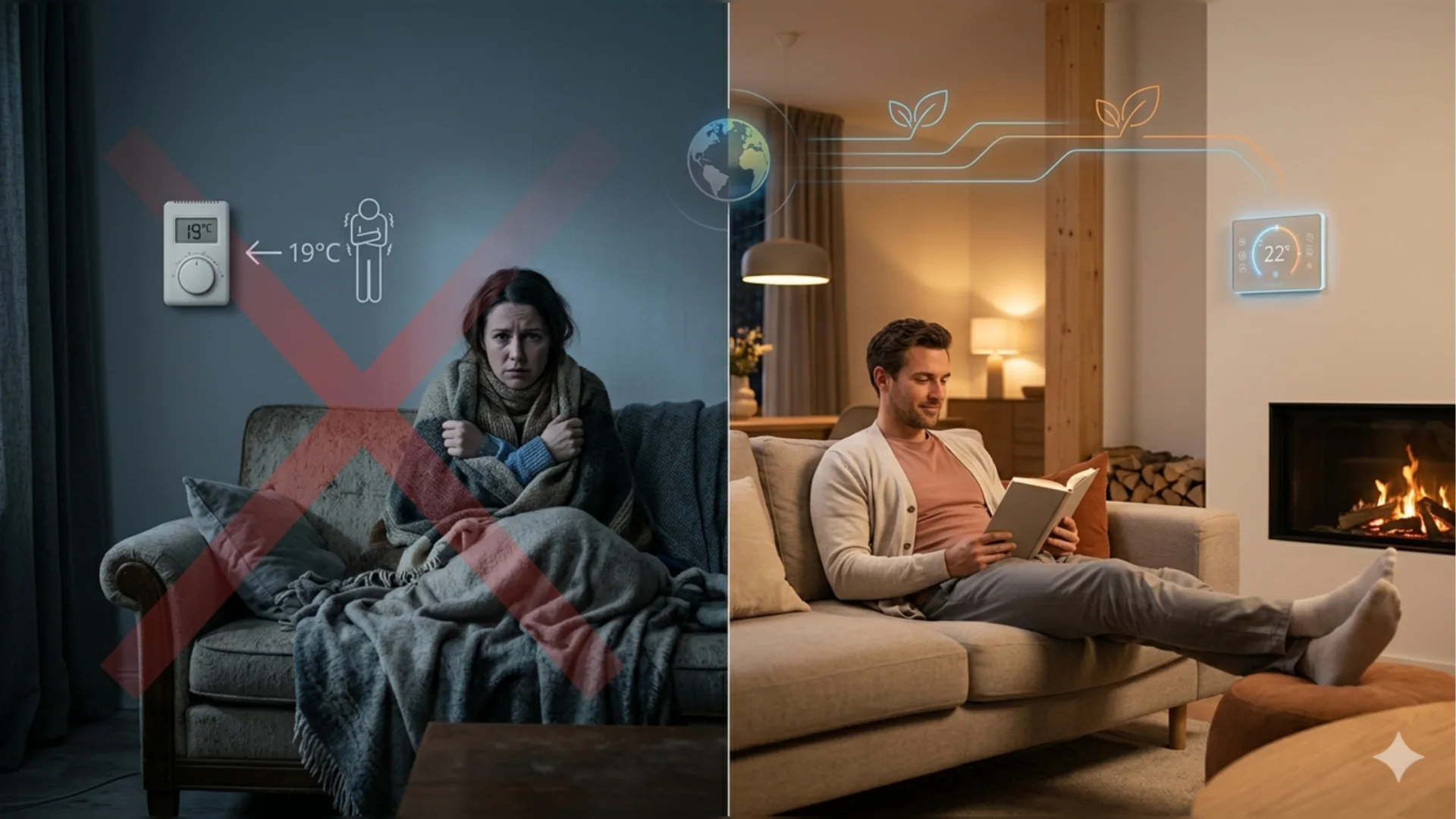
If your home feels too cold in winter or too hot in summer, weak insulation might be
the real reason. Poor insulation allows indoor air to escape and outdoor air to
enter, making your rooms uncomfortable and forcing your heating or cooling system to
work harder.
The good news is you can improve home insulation without doing a full renovation.
With a few smart upgrades, you can reduce drafts, control indoor temperatures
better, and lower your monthly energy costs while keeping your home more comfortable
all year.
Why Home Insulation Matters So
Much
Insulation plays a major role in how your home holds temperature. It slows down heat
transfer, meaning your warm air stays inside during winter and your cool air stays
inside during summer. Without proper insulation, your home loses energy quickly and
your HVAC system keeps running longer than necessary.
A well-insulated home also improves comfort by reducing cold spots near windows,
stopping hot attic air from heating the rooms below, and lowering outside noise. In
the long run, better insulation can even protect your home from moisture issues and
mold growth by controlling condensation.
Signs Your Home Needs Better
Insulation
Many people don’t realize their insulation is weak until they start feeling
uncomfortable or notice higher bills. Some signs are obvious, while others are easy
to ignore for months.
Here are a few clear signs your home may need an
insulation upgrade:
- •Rooms feel colder or hotter than others
- •You notice drafts near windows, doors, or outlets
- •Heating and cooling bills are higher than normal
If you experience these signs regularly, it’s a strong signal you should improve
home insulation to make your home more efficient and comfortable.
Best Areas to Improve Home
Insulation First
Not every part of the house needs the same amount of insulation. Some areas cause
more heat loss than others. If you focus on the right places first, you will get
faster results and better savings.
Attic and Roof Space (Top
Priority)
The attic is one of the biggest sources of heat loss in winter and heat gain in
summer. Warm air naturally rises, so if your attic insulation is thin or damaged,
heat escapes quickly through the roof.
Adding or upgrading attic insulation often gives the best return for energy savings.
It also helps the rooms below stay more stable in temperature. Many homeowners feel
a difference almost immediately after improving attic insulation.
Walls and Exterior Surfaces
Walls can be difficult to insulate after the home is built, but they are still an
important area. If the walls have old insulation, gaps, or none at all, your home
can lose a lot of heated or cooled air.
In some cases, professionals can add blown-in insulation without tearing down the
entire wall. This is especially helpful for older homes where insulation standards
were lower.
Floors and Crawl Spaces
Cold floors are often a result of poor insulation under the house. If your home has
a crawl space, it may allow cold air to pass into the flooring, making the entire
room feel colder.
Insulating the crawl space and sealing gaps can reduce drafts and improve indoor
comfort. It also helps prevent moisture problems, which is important for protecting
your home’s structure over time.
Windows and Doors (Draft Control)
Even if your walls and attic are insulated, gaps around windows and doors can still
allow air leaks. This is one of the easiest problems to fix because you can seal air
leaks using affordable materials.
Weatherstripping and caulking around windows can quickly stop drafts. You can also
use door sweeps at the bottom of doors to block cold air and dust from entering.
Easy DIY Ways to Improve Home
Insulation
You don’t always need a large budget to make your home more insulated. Many
improvements can be done as weekend DIY projects with simple tools.
If your goal is to improve home insulation without major renovation, start with air
sealing first. Air sealing means closing the small gaps where air escapes, and it
often gives instant results.
Seal Air Leaks Around Common Draft
Points
Small gaps can cause big energy loss. Air leaks usually appear around window edges,
door frames, and areas where pipes or wires enter the home.
You can seal these areas using caulk for thin gaps and expanding foam for larger
openings. This is one of the most cost-effective insulation improvements because it
supports every other upgrade you do later.
Add Insulation to Attic Access and
Hatch
Many people upgrade attic insulation but forget the attic hatch or pull-down ladder
area. This can become a major heat leak because the cover is often thin and
unsealed.
Adding foam board insulation and weatherstripping to the attic hatch helps reduce
airflow and improves overall energy efficiency. This small upgrade supports your
larger attic insulation investment.
Use Thermal Curtains and Window
Film
Thermal curtains reduce heat loss by adding a barrier between the window and the
room. They are especially useful at night when the outside temperature drops and
cold air gathers near glass windows.
Window film is another budget-friendly option. It reduces drafts and helps keep
indoor temperatures stable, especially in older homes with single-pane windows.
Best Insulation Materials and
Options
There are different types of insulation, and each one
works best in certain areas of the home. The right choice depends on your budget,
climate, and the space you are insulating.
Here are common insulation options and where they work
best:
- •Fiberglass batts: great for walls, floors, and attics
- •Blown-in insulation: ideal for attics and existing wall cavities
- •Foam board: useful for basements, garages, and attic hatches
A professional can help you choose the correct R-value (insulation rating) based on
your location. Higher R-values usually mean better insulation performance.
How to Improve Home Insulation
Without Huge Costs
If you want results but you have a limited budget, focus on upgrades that give the
biggest impact first. Most energy loss happens through the attic and air leaks, so
starting there is a smart plan.
Sealing leaks, using weatherstripping, and adding attic insulation are usually the
best combination for lower costs and quick improvement. Over time, these upgrades
can reduce your energy bills and make your home more comfortable in every season.
When done properly, even small improvements can help you improve home insulation
enough to notice a clear difference in indoor comfort.
Common Mistakes to Avoid When
Upgrading Insulation
Insulation upgrades are helpful, but mistakes can reduce their effectiveness. One
common mistake is adding insulation without sealing air leaks first. If air is still
escaping through gaps, insulation alone won’t stop energy loss.
Another mistake is blocking ventilation in areas like the attic. Attics need proper
airflow to prevent moisture buildup and mold issues. Insulation should be installed
correctly without covering vents that help the space breathe.
Finally, using the wrong insulation type or installing it too loosely can create
gaps. Even small openings in insulation reduce performance, so correct installation
matters.
When You Should Hire a
Professional
DIY improvements are great for simple tasks like sealing drafts and adding basic
insulation. However, some projects are better handled by professionals, especially
when safety and efficiency are important.
You should consider expert help if:
- •Your home has mold, moisture, or attic ventilation problems
- •You want to add insulation inside existing walls
- •Your energy bills stay high even after sealing drafts
A professional energy audit can also identify the biggest heat-loss areas and help
you plan upgrades in the right order.
Conclusion
Upgrading insulation is one of the smartest home improvements you can make because
it improves comfort and saves money over time. When you improve home insulation,
your home stays warmer in winter, cooler in summer, and your heating and cooling
system works more efficiently.