Home remodeling today is no longer just about updating finishes or following trends. It is a strategic process that blends architecture, functionality, and lifestyle planning into a cohesive transformation. Homeowners are becoming increasingly aware that a successful renovation requires more than aesthetic upgrades—it demands a clear vision, technical expertise, and a long-term understanding of how people live.
In competitive and design-forward regions like California, remodeling has evolved into a discipline that sits at the intersection of architecture and interior design. The most successful projects are those that are carefully planned from the ground up, where every decision—spatial, structural, and material—is made with intention.
Remodeling as a Design-Led Process
One of the most common mistakes homeowners make is approaching remodeling as a sequence of isolated improvements. Updating a kitchen, replacing flooring, or repainting walls may deliver short-term visual impact, but without a unified concept, the home often lacks cohesion.
A design-led remodeling process begins with a comprehensive evaluation of the property. This includes understanding the architectural structure, natural light conditions, circulation flow, and how each space connects to the next. Instead of asking, “What should we change?”, experienced designers ask, “How should this home function as a whole?”
This shift in perspective allows for more meaningful transformations. Walls are not just removed for openness—they are repositioned to improve spatial logic. Materials are not selected for trend appeal alone—they are chosen for durability, context, and harmony.
The Role of Lifestyle in Modern Renovation
Today’s homes must accommodate more than ever before. Remote work, wellness routines, entertainment, and family life all coexist within the same space. As a result, remodeling must be tailored to the homeowner’s lifestyle, not just the building’s structure.
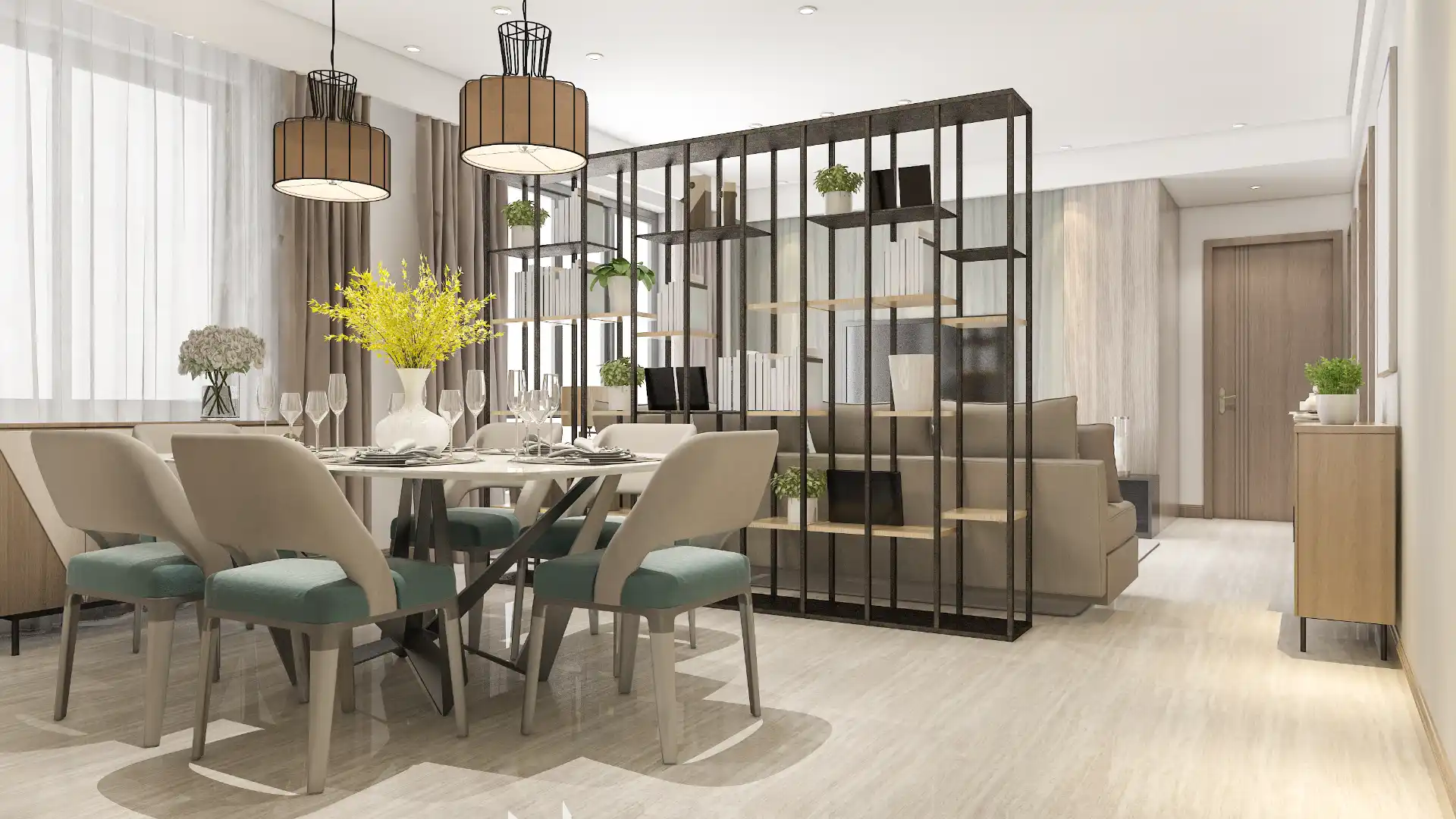
For example, open-plan living remains popular, but it requires careful zoning to maintain comfort and usability. Kitchens are no longer purely functional—they act as social hubs. Bathrooms are increasingly designed as private wellness retreats, incorporating natural materials and calming layouts.
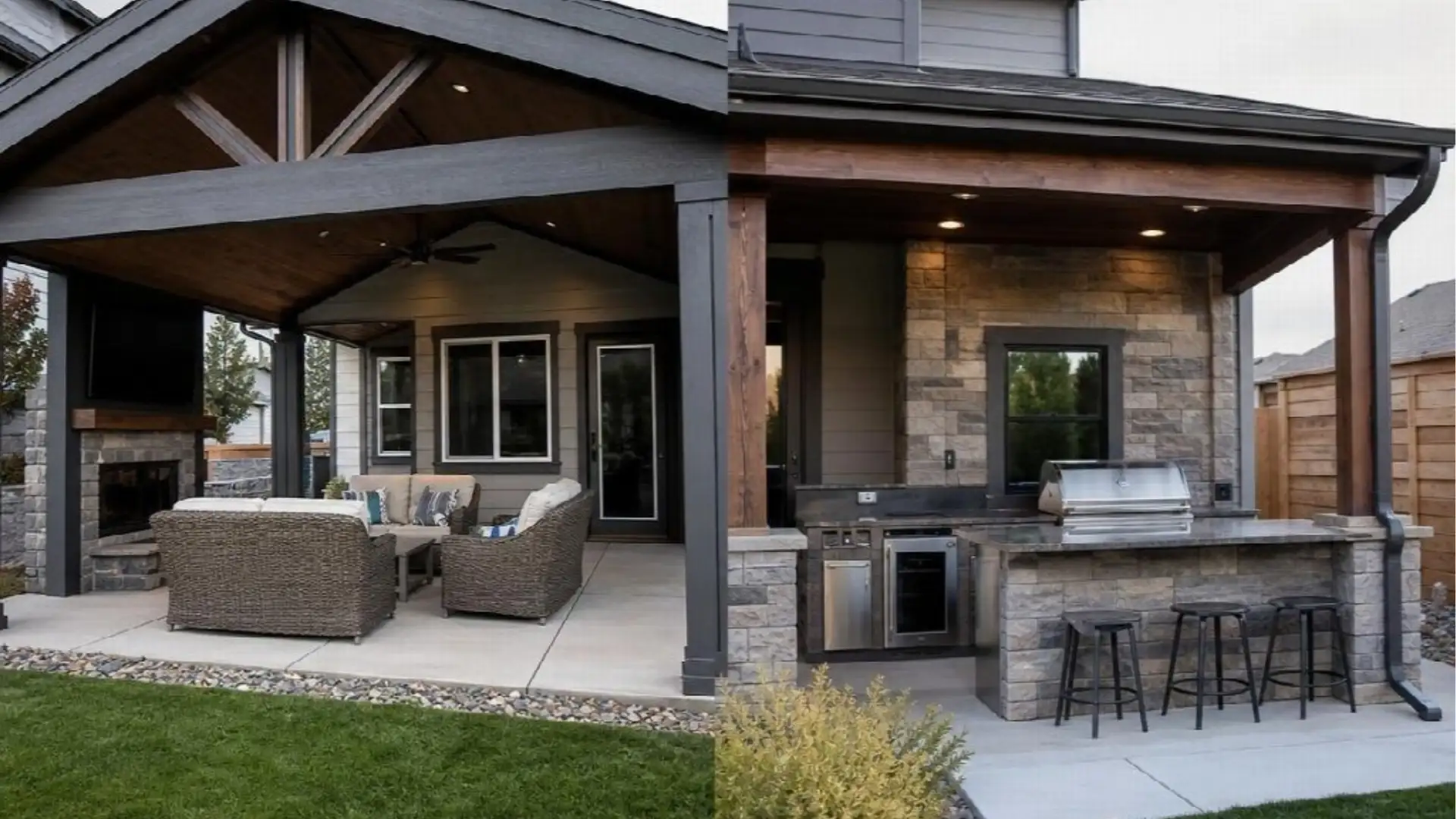
Outdoor integration is another defining trend, especially in California. Seamless transitions between indoor and outdoor areas enhance both living quality and property value. Large sliding doors, covered patios, and integrated landscaping are no longer luxuries—they are essential components of modern residential design.
Why Professional Expertise Matters
While inspiration is easily accessible online, executing a high-quality remodeling project requires technical precision. Structural modifications, building codes, material performance, and construction sequencing all play critical roles in the outcome.
This is where working with experienced professionals becomes essential. A well-coordinated team ensures that design intent is preserved throughout construction, avoiding costly mistakes and inconsistencies.
Companies with a strong architectural and design background approach remodeling holistically. Instead of treating design and construction as separate phases, they integrate them into a unified workflow. This results in better communication, more accurate budgeting, and a smoother overall process.
For homeowners seeking a comprehensive and design-driven approach, exploring services like home remodeling can provide valuable insight into how professional studios structure and execute complex residential transformations.
Material Selection and Longevity
A key aspect of expert remodeling is material selection. Beyond appearance, materials must be evaluated for durability, maintenance, and environmental impact. In high-end residential design, there is a growing emphasis on natural textures—stone, wood, and metal—combined with advanced engineered materials that offer longevity and performance.
Sustainability also plays a growing role. Energy-efficient systems, passive design strategies, and environmentally responsible materials are no longer optional considerations—they are becoming standard expectations.
Choosing the right materials ensures that a home not only looks refined upon completion but continues to perform well over time.
Planning for the Future
One of the defining characteristics of expert-level remodeling is future-oriented thinking. A well-designed home should adapt to changing needs without requiring constant renovation.
Flexible layouts, multi-functional spaces, and infrastructure upgrades (such as electrical capacity or smart home integration) allow homeowners to evolve within their space. This approach not only enhances daily living but also protects long-term property value.
In regions with dynamic real estate markets, such as California, this foresight can significantly impact resale potential. Buyers are increasingly drawn to homes that feel thoughtfully designed rather than superficially updated.
The Value of Cohesion
Ultimately, the success of any remodeling project comes down to cohesion. Every element—architecture, interior design, materials, and layout—must work together seamlessly.
This level of integration cannot be achieved through piecemeal updates. It requires a clear vision, a structured process, and a commitment to quality at every stage.
When executed correctly, remodeling becomes more than an upgrade—it becomes a transformation that enhances how a home looks, feels, and functions.
Final Perspective: Designing for Longevity and Meaning
Home remodeling should be viewed not as a temporary upgrade, but as a long-term investment in how a space performs, adapts, and supports everyday life. At its highest level, it is a discipline that balances architectural clarity with human experience—where every decision contributes to a cohesive and enduring environment.
A truly successful renovation aligns spatial logic with lifestyle demands, ensuring that the home remains relevant as needs evolve. This requires more than aesthetic sensitivity; it demands strategic planning, technical precision, and a deep understanding of how design influences behavior and comfort.
By treating remodeling as an integrated, design-driven process, homeowners can move beyond surface-level improvements and achieve spaces that are both refined and resilient. The result is not only a visually compelling home, but one that functions intuitively and maintains its value over time.
As expectations for residential environments continue to rise, the focus is shifting toward quality, coherence, and longevity. In this context, thoughtful remodeling becomes a defining factor—transforming homes into well-considered living systems that stand the test of time, both functionally and architecturally.