If you own a home on a septic system, there are a handful of problems that can quietly develop underground for months before you ever notice anything is wrong. Tree root intrusion is one of them. It is one of the most common reasons homeowners end up needing septic repairs, and it tends to catch people off guard because the warning signs are easy to dismiss until the situation becomes serious.
This guide breaks down how root intrusion happens, what it actually does to your system, how much it typically costs to address, and what the repair process looks like from start to finish.
How Tree Roots Find Their Way Into Septic Lines
Tree roots are not aggressive in the way we sometimes picture them. They do not "attack" pipes. What they do is follow moisture and nutrients, and a septic system is essentially a slow-moving trail of both.
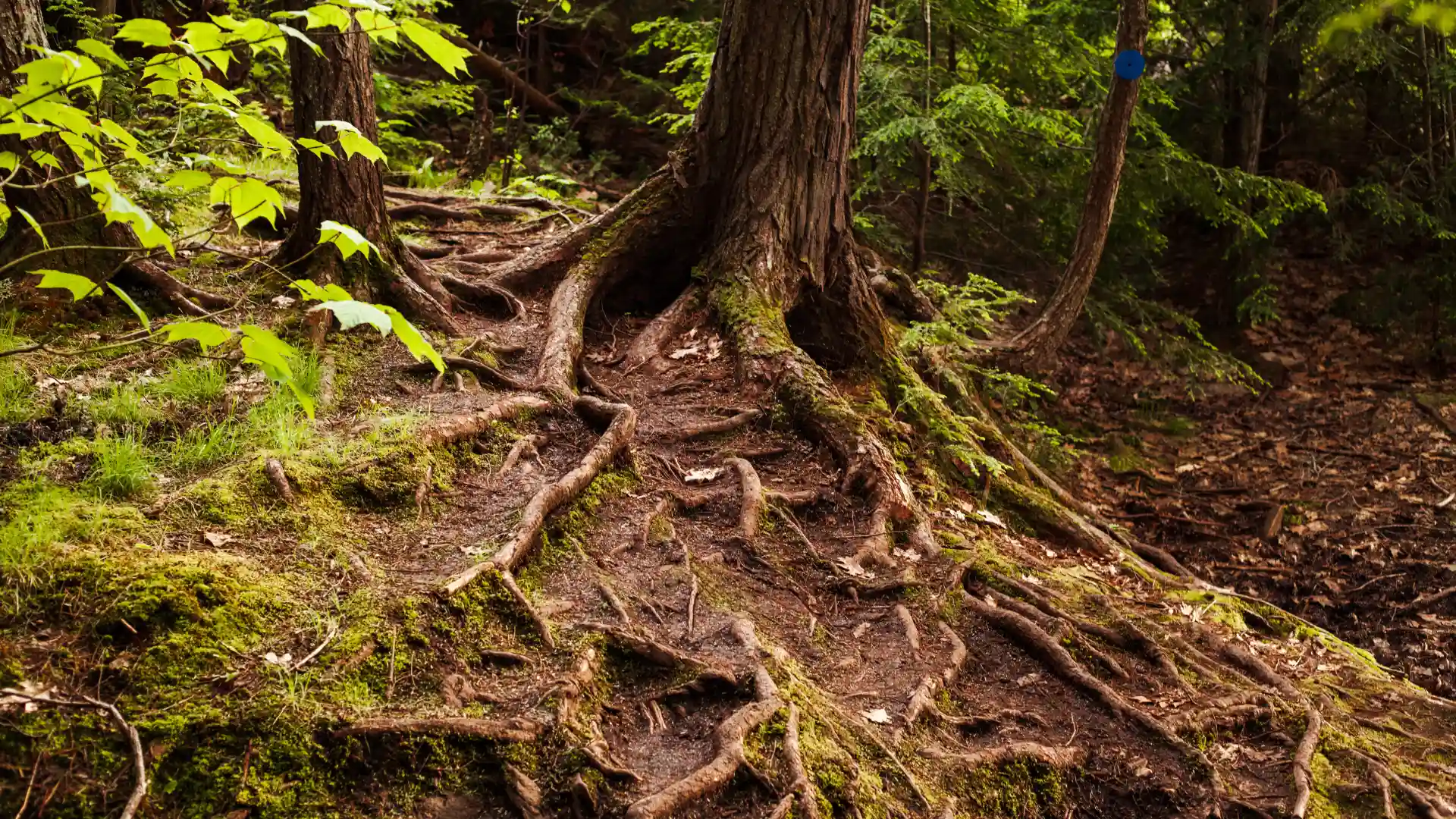
Septic lines, especially older clay or concrete pipes, develop tiny cracks and gaps at joints over time. When a pipe is carrying warm wastewater, it releases vapor into the surrounding soil. Tree roots sense that vapor and grow toward it. Once a root finds even the smallest opening, such as a hairline crack or a slightly separated joint, it pushes through and starts to expand inside the pipe.
Once inside, roots have everything they need to grow aggressively. The warm, nutrient-rich environment accelerates their growth. Over time, what started as a thin tendril becomes a dense root mass that can partially or completely block the line.
This process does not happen overnight. In most cases, root intrusion develops over several years, which is part of why it catches homeowners off guard. The system may slow down gradually, and those early signs are often attributed to something else entirely.
Which Trees Are Most Likely to Cause Problems?
Almost any tree or large shrub can contribute to root intrusion, but certain species are more aggressive than others. Willows, silver maples, poplars, and elm trees have particularly invasive root systems and should never be planted near septic lines, tanks, or drainfields.
That said, even trees that are considered "less aggressive" can cause damage if they are planted close enough to the system. Root systems often extend well beyond the drip line of a tree, meaning a tree that looks like it is safely planted away from your system may actually have roots reaching far below ground in your direction.
Shrubs can also be a source of root intrusion, especially lilac and forsythia, which are popular landscaping choices in many parts of Pennsylvania and the northeast. If you are not sure where your septic lines run or how close your existing landscaping sits to those lines, a professional locating service can map it out before any damage occurs.
Warning Signs That Roots May Be in Your Lines
Root intrusion is sneaky, but it does leave clues. Here are the most common early indicators that something is going on underground.
Slow drains throughout the house. When drains in multiple fixtures are running slow at the same time, the problem is usually not at the fixture level. It is further down the line. Widespread slowness is a red flag worth investigating.
Gurgling sounds after flushing. That bubbling or gurgling you hear in a toilet or tub drain after another fixture is used is often a sign of a partial blockage somewhere in the line. Air is being pushed back because water cannot flow freely.
Frequent backups in the lowest drains. Ground-level or basement drains backing up first is the system's way of telling you there is a restriction downstream. Root intrusion is one of the most common culprits.
Unusually green or lush patches of grass above the septic line. If there is a section of your yard that stays noticeably greener than the surrounding area, especially in dry conditions, that is worth paying attention to. It can indicate wastewater is not moving through the line the way it should.
Sewage odors in the yard. Not every root intrusion case presents with odors, but when roots have caused significant blockage or pipe damage, odors can surface.
If you are noticing any combination of these signs, the next step is getting a professional to take a look. A camera inspection is the most reliable way to confirm root intrusion and assess how much damage has been done.
What a Camera Inspection Reveals
Before any repair happens, a qualified technician will run a small camera through the affected line. This gives a real-time view of what is going on inside the pipe and allows for precise diagnosis.
Camera inspections can confirm whether roots are present, show how dense the intrusion is, and identify whether the pipe itself has been cracked or shifted as a result of root pressure. This last part matters a lot, because it determines whether the repair is a cleaning job or a more involved structural fix.
A camera inspection is also useful for ruling out root intrusion when other issues, such as grease buildup or a collapsed section of pipe, are responsible for the blockage. Getting the right diagnosis upfront saves time and money.
Repair Options: What the Process Actually Looks Like
The approach to repairing root intrusion depends on what the camera inspection reveals. Here is a breakdown of the most common scenarios.
High-pressure water jetting. When roots have entered the pipe but have not caused structural damage, high-pressure jetting is often the first course of action. This method uses a high-pressure water stream to cut through and flush out the root mass, clearing the line. It is effective, efficient, and does not require any digging.
The limitation of jetting alone is that it removes the roots but does not address the entry point. If the crack or gap that let the roots in is not repaired, roots will grow back in the same location. Some homeowners find themselves in a cycle of jetting every year or two because the underlying problem was never resolved.
Pipe lining (CIPP). Cured-in-place pipe lining is a trenchless repair method that rehabilitates a damaged pipe from the inside. After the line is cleared, a resin-saturated liner is inserted into the pipe and cured in place, creating a smooth, seamless surface inside the existing pipe. This seals cracks and entry points, extending the life of the line without requiring excavation.
CIPP is not always an option depending on pipe condition and configuration, but when it is viable, it is an efficient and cost-effective alternative to full pipe replacement.
Spot repair or pipe section replacement. When the damage is isolated to a specific section of pipe, a targeted excavation and replacement of that section may be the right move. This is more disruptive than jetting or lining, but it is sometimes the most practical solution when pipe damage is concentrated in one area.
Full line replacement. In cases where root intrusion has caused damage across a significant length of pipe, or where the pipe material itself is failing beyond what lining can address, full replacement may be necessary. This is the most involved and costly repair option, but it solves the problem at the source.
What Root Intrusion Repairs Typically Cost
Costs vary based on the extent of damage, the method of repair, and local market conditions. That said, here is a general framework to help set expectations.
A camera inspection to diagnose the problem typically runs a few hundred dollars, and that cost is often applied toward the repair if you move forward with the same company.
High-pressure jetting alone, if roots are the only issue and the pipe is structurally sound, generally falls in a moderate range. If jetting needs to be combined with any localized repair work, costs rise accordingly.
Trenchless lining solutions are a meaningful investment, but when compared to the cost of full excavation and replacement, they often come out ahead. Full pipe replacement, especially if it runs through landscaping, hardscape, or is deeply buried, can be a significant expense.
The best thing a homeowner can do is get a professional assessment before assuming the worst or hoping the problem resolves on its own. Early intervention almost always results in lower costs than waiting.
Preventing Root Intrusion in the Future
Once your system has been repaired, there are a few practical steps to reduce the risk of a repeat situation.
Know where your lines are. Having your septic system professionally located and mapped takes the guesswork out of landscaping decisions. If you know where your lines run, you can plan plantings accordingly.
Be thoughtful about new landscaping. When adding trees or shrubs, choose species with non-invasive root systems and plant them at a safe distance from all septic components, including the tank, lines, and drainfield.
Maintain a regular inspection schedule. Catching root intrusion early, before it becomes a blockage or causes structural damage, keeps repair costs manageable and protects the long-term health of your system.
Consider preventive jetting. For properties with significant tree cover or older pipe materials, periodic cleaning and jetting can remove early-stage root growth before it develops into a problem.
The Bottom Line
Tree root intrusion is a natural process, but it is also a preventable and manageable one when you understand what to look for and how to respond. The homeowners who end up facing the highest repair bills are almost always those who ignored early warning signs or skipped regular maintenance.
If you have noticed any of the symptoms described here, or if it has been a while since anyone has taken a look at your septic lines, a camera inspection is a straightforward and worthwhile first step. The information it provides gives you a clear picture of your system's condition and puts you in a much better position to make smart decisions about what to do next.