Home renovation projects involve numerous decisions, and window replacement is one area where careful preparation can make a significant difference. Whether homeowners are updating an older property, improving insulation or giving their house a more modern appearance, choosing the correct windows requires more than simply selecting an attractive design. Accurate measurements are essential for determining suitable products, preparing realistic budgets and avoiding complications during installation.
Windows are manufactured in different shapes, sizes and configurations. Even properties built using similar architectural designs can have slightly different window openings. Older houses may present additional challenges because their walls and frames can change over time. As a result, relying on approximate measurements without proper verification can lead to unsuitable products and unexpected expenses.
Understanding how window measurements influence a renovation project can help homeowners make better decisions. Modern digital tools have also made preliminary measurement and cost planning more accessible. A window price estimator, for example, can help users explore potential costs using available dimensions, photographs or drawings before arranging a professional assessment.
Why Window Measurements Are So Important
The dimensions of a window determine whether a replacement unit will fit the available opening correctly. If measurements are inaccurate, the selected product may be too large or too small for the intended space.
A window that is manufactured incorrectly can create several problems. An oversized unit may not fit into the existing opening, while an undersized one may require additional materials and adjustments during installation.
Incorrect measurements can also affect the appearance of the finished project. Poorly fitted windows may have uneven gaps, inconsistent frame alignment or finishing problems around the edges.
These issues can increase labour requirements and delay the renovation schedule. In some situations, replacement products may need to be reordered, creating additional costs.
Taking measurements seriously from the beginning helps reduce these risks and provides a more reliable foundation for the entire project.
Understanding the Different Types of Window Measurements
Before measuring existing windows, homeowners should understand that several different dimensions may be relevant.
Frame Measurements
Frame measurements refer to the width and height of the existing window frame. They can provide useful information when assessing the size of the current installation.
However, the existing frame dimensions do not always represent the exact measurements required for manufacturing a replacement window.
Structural Opening Measurements
The structural opening is the space within the wall where the window is installed. Professional installers may need to assess this opening to determine the correct dimensions for the replacement unit.
The opening should be checked carefully because older buildings may have uneven surfaces or slight variations between different measurement points.
Glass Measurements
The visible glass area is another dimension that homeowners may encounter when comparing window designs.
Glass measurements are different from overall frame dimensions. They are useful for understanding how much glazing a window contains but should not be used as a substitute for complete installation measurements.
Understanding these differences helps prevent confusion when collecting information for quotations.
Common Challenges When Measuring Older Properties
Older homes can present particular difficulties during window replacement.
Buildings naturally experience movement and weather exposure over time. As a result, some window openings may no longer be perfectly square or level.
Traditional properties may also contain unusual dimensions that differ from modern standard sizes. This can make made-to-measure windows necessary.
Timber frames may have expanded, contracted or deteriorated because of moisture exposure. In some cases, previous repairs or modifications may have changed the original opening.
Bay windows, sash windows and decorative architectural features can introduce further complications.
For these reasons, homeowners should treat their own measurements as preliminary information rather than final manufacturing specifications. A professional survey is particularly important when dealing with unusual openings or older buildings.
How to Measure Windows for Initial Planning
Homeowners can collect basic measurements to understand their replacement requirements before contacting suppliers.
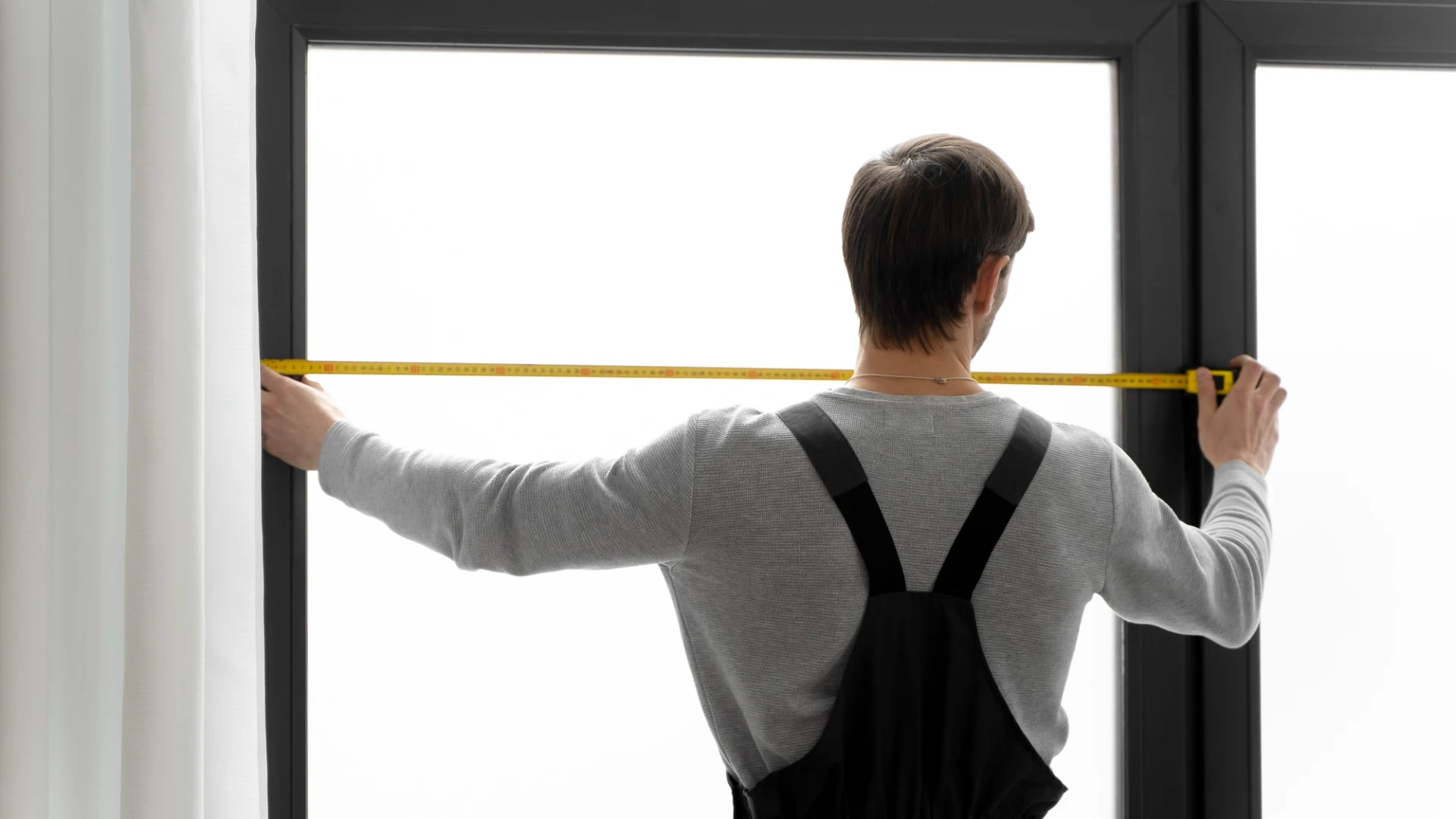
A reliable tape measure is useful for this purpose. Measurements should be recorded clearly and labelled according to the room and window location.
For each window, note the approximate width and height. If the opening appears uneven, take measurements at multiple points rather than assuming that the top, middle and bottom are identical.
It is also useful to photograph each window from inside and outside where possible.
Photographs can provide additional information about the frame condition, opening mechanism and surrounding structure.
When recording measurements, consistency is important. Mixing centimetres and millimetres or failing to label individual windows can create confusion when comparing specifications.
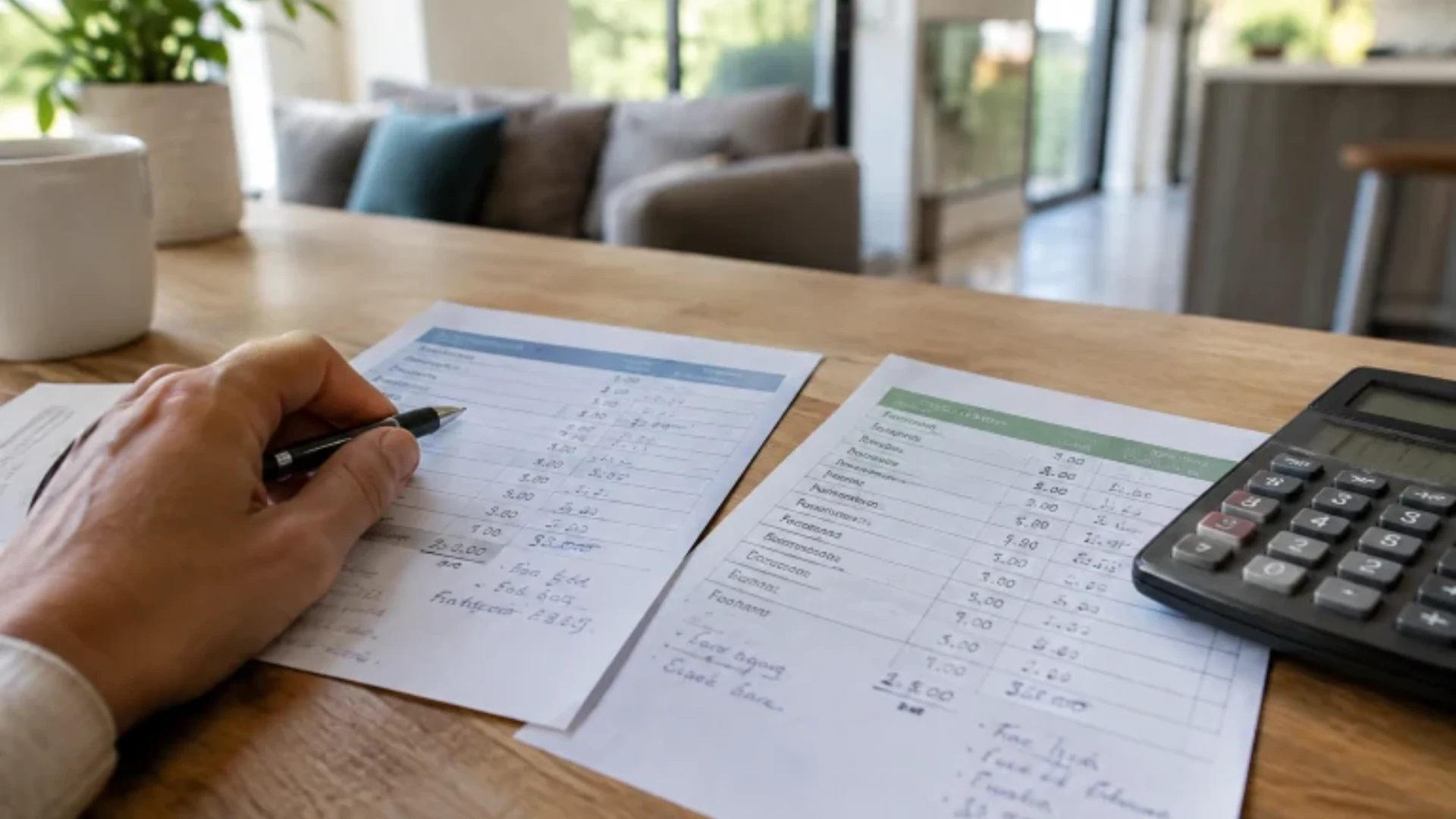
A simple spreadsheet or written inventory can help organise the information, particularly when an entire property is being renovated.
The Role of Digital Technology in Window Measurement
Technology is changing how homeowners collect and organise information about replacement windows.
Traditional methods generally rely on manual measurements and professional site visits. Although these methods remain essential for final verification, digital tools can make the initial planning process more convenient.
Some modern platforms allow users to upload photographs, sketches or architectural drawings. Artificial intelligence and image recognition systems may then analyse the supplied material to identify potential window dimensions.
This can be particularly helpful for homeowners who have several windows to replace and want to organise their project information before contacting installers.
A window price estimator can combine available measurement information with selected product specifications to provide an indicative cost.
Rather than manually comparing every possible option, users may be able to explore how changes in window size, frame material or glazing specifications influence their estimated budget.
However, digital estimates should always be understood as preliminary. Lighting conditions, camera angles, image quality and drawing accuracy can influence automated measurements.
Professional verification remains necessary before ordering custom-made products.
How Measurements Influence Window Replacement Costs
Window dimensions have a direct relationship with the amount of material required for manufacturing.
Larger windows generally require more glass and frame components. They may also need additional structural support or specialised installation methods, depending on their design.
Smaller windows are not always cheaper in every situation. Unusual shapes, specialist finishes or custom manufacturing requirements can increase their cost even when the overall dimensions are relatively limited.
For example, a standard rectangular window may be easier to manufacture than a small decorative window with an unusual shape.
Accurate measurements therefore help suppliers understand the actual product requirements rather than relying on assumptions.
They also improve the usefulness of preliminary cost calculations. When homeowners provide clearer information, an online window price estimator can produce a more relevant indication of potential expenses.
Nevertheless, the final price may still change after a detailed survey and confirmation of installation requirements.
Measurements and Different Window Styles
Each window style has its own construction and installation considerations.
Casement Windows
Casement windows are widely used in residential properties throughout the UK. They usually open outwards or inwards using hinges and can be manufactured in various configurations.
Accurate width and height measurements help determine the appropriate frame dimensions and opening arrangement.
Sash Windows
Sash windows are commonly found in traditional British properties. Their sliding mechanism and frame construction can make replacement more complicated than standard casement designs.
The existing opening and surrounding architectural details should be assessed carefully before selecting a replacement.
Bay Windows
Bay windows project outwards from the main wall of a property. They may consist of multiple sections arranged at different angles.
Each section needs to be considered when planning a replacement. Incorrect measurements can affect the alignment and overall appearance of the finished installation.
Tilt-and-Turn Windows
Tilt-and-turn windows offer different opening positions and require suitable hardware and frame configurations.
Their dimensions and opening arrangements should be checked together to ensure that the selected design works correctly within the available space.
How Accurate Measurements Help Improve Energy Efficiency
Measurements are not only important for manufacturing and pricing. They also contribute to the overall performance of replacement windows.
A properly fitted window can help reduce unwanted air leakage around the frame. This may improve indoor comfort and reduce draughts.
Poorly fitted windows can create gaps that allow outside air to enter the property. Even high-quality glazing may not deliver its intended benefits if the installation is not completed correctly.
The relationship between measurements, product selection and installation quality is therefore important.
Homeowners should consider the complete window system rather than focusing only on the glass or frame material.
Suitable glazing, quality seals, appropriate hardware and professional installation all contribute to the finished result.
Preparing Measurements Before Requesting Quotations
Before contacting window suppliers, homeowners can make the quotation process more organised by preparing a basic information pack.
This does not need to be complicated. A simple document containing the following information can be helpful:
- •Number of windows requiring replacement.
- •Approximate width and height of each window.
- •Room or location of each window.
- •Existing window style and frame material.
- •Preferred replacement material.
- •Desired glazing specifications.
- •Photographs showing the current condition.
Providing this information gives suppliers a clearer understanding of the project.
It can also make quotations easier to compare because homeowners are more likely to receive estimates based on similar requirements.
For larger renovation projects, keeping all measurements and photographs in one place can save considerable time.
Common Measurement Mistakes to Avoid
Even small errors can create problems when planning replacement windows. Homeowners should be aware of several common mistakes.
Measuring only one point: Older openings may not be perfectly square. Measuring at multiple points helps identify variations.
Confusing glass and frame dimensions: These measurements represent different parts of a window and should not be treated as interchangeable.
Ignoring unusual shapes: Bay windows, arched openings and other specialised designs may require more detailed assessment.
Recording unclear measurements: Every dimension should be labelled with its location and measurement unit.
Ordering products too early: Preliminary measurements should not be used as final manufacturing instructions without professional verification.
Avoiding these mistakes helps make the replacement process more predictable and reduces the risk of unnecessary expenses.
Conclusion
Accurate window measurements are a fundamental part of successful home renovation planning. They influence product selection, manufacturing requirements, installation quality and overall project costs.
Homeowners can begin by recording approximate dimensions, photographing existing windows and identifying any unusual features. This information provides a useful starting point when researching replacement options and requesting quotations.
Digital tools have made early planning more convenient. A window price estimator can help homeowners explore potential costs using available measurements and product specifications, allowing them to make better-informed decisions before committing to a project.
However, automated measurements and online estimates should never replace a professional survey when final dimensions are required.
By combining careful preparation, appropriate digital tools and professional verification, homeowners can reduce avoidable mistakes and approach their window renovation projects with greater confidence.