Fort Lauderdale homes are embracing a more refined approach to coastal living in 2026. Instead of relying on traditional beach-inspired decorations, homeowners are choosing warmer colors, natural materials, comfortable furniture, and personalized details. The focus is shifting toward interiors that feel elegant, functional, and connected to South Florida's coastal surroundings.
The latest Fort Lauderdale Interior Design trends combine contemporary luxury with tropical influences. From textured walls and sculptural furniture to indoor-outdoor living spaces, these ideas reflect how homeowners want their properties to look and function.
Climate also plays an important role in local design decisions. Humidity, strong sunlight, heavy rainfall, and coastal conditions make material selection just as important as visual appeal.
Here are the leading interior design trends shaping Fort Lauderdale homes in 2026.
1. Refined Coastal Design Replaces Traditional Beach Decor
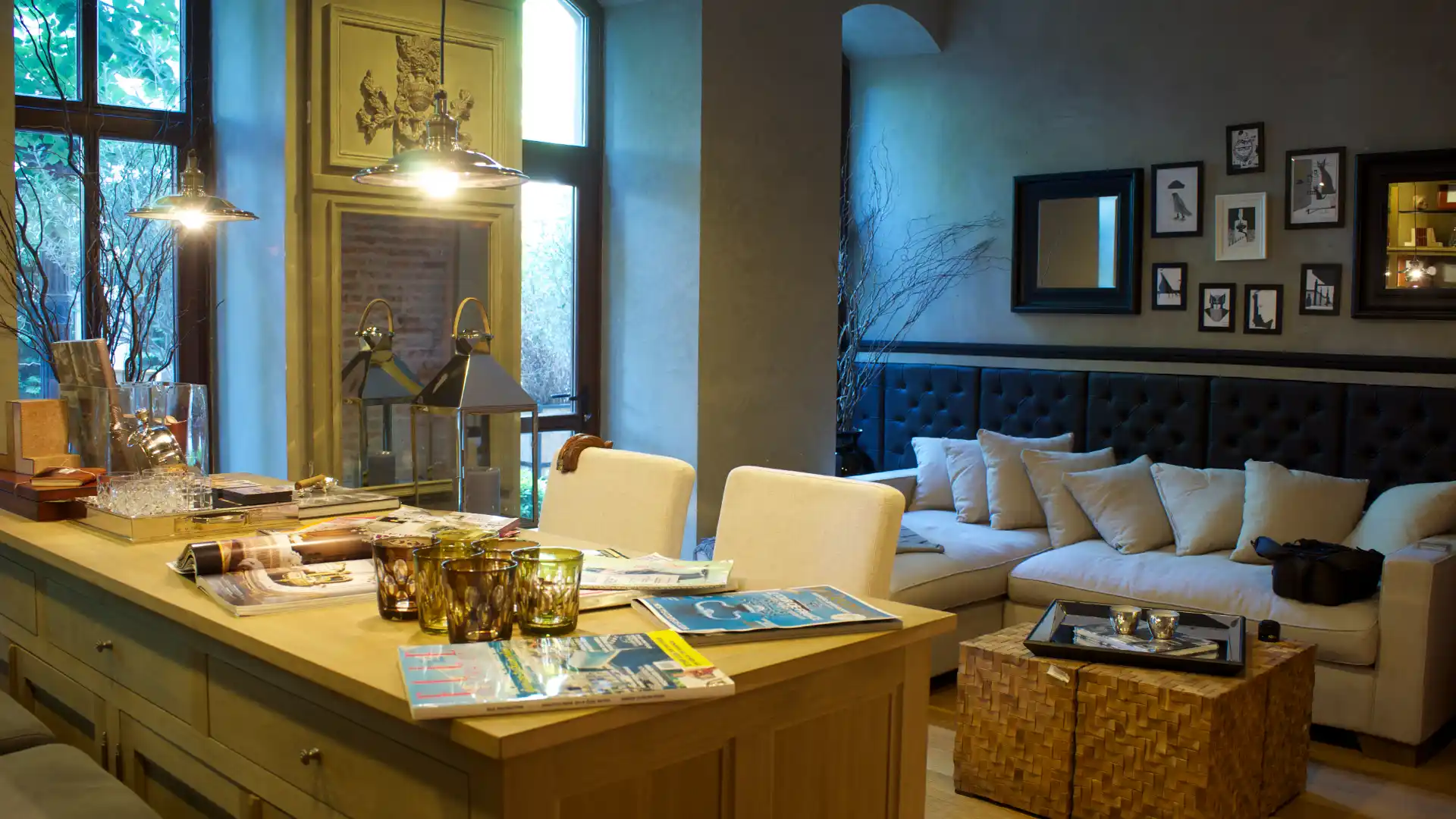
Coastal interiors remain popular in Fort Lauderdale, but their appearance is becoming more sophisticated. Instead of filling rooms with anchors, seashell decorations, nautical stripes, and bright blue accessories, homeowners are embracing subtle references to the surrounding coastline.
The modern coastal look focuses on:
- •Soft sand, ivory, cream, and ocean-inspired colors.
- •Natural wood furniture and woven accessories.
- •Linen upholstery and lightweight curtains.
- •Stone surfaces and textured decorative finishes.
- •Large windows that maximize natural light.
This approach creates a connection with the coastal environment without making the home look like a themed beach resort.
For Fort Lauderdale homeowners, refined coastal design offers a practical way to create relaxed interiors that remain appropriate for both waterfront properties and urban residences.
2. Warm Neutral Colors and Earthy Palettes
Cool gray and stark white interiors are giving way to warmer, more inviting color combinations. In 2026, earthy colors are becoming an important part of residential design.
According to Houzz's 2026 U.S. design trends research, searches for rust colors, chocolate brown, mushroom, sage, taupe, and cream have increased. These colors offer alternatives to cooler minimalist palettes.
The Houzz Blog+1
Popular color choices include:
| Color | How to use it |
| Warm beige | Living room walls and upholstery |
| Chocolate brown | Furniture, cabinetry, and accents |
| Terracotta | Decorative tiles and accessories |
| Sage green | Bedrooms and kitchen details |
| Soft cream | Walls, curtains, and ceilings |
| Muted ocean blue | Accent walls and decorative pieces |
The best approach is to combine two or three complementary shades rather than introducing too many competing colors.
For example, cream walls, walnut furniture, and sage green accessories can create a balanced interior that feels warm without appearing overly decorated.
3. Natural Materials and Tactile Textures
Natural materials are becoming increasingly important in contemporary homes. Homeowners are looking beyond smooth, artificial-looking surfaces and choosing finishes that introduce depth and character.
Some popular options include:
- •Natural stone for countertops, flooring, and feature walls.
- •Oak and walnut for cabinetry and furniture.
- •Linen and cotton for curtains and upholstery.
- •Rattan and woven fibers for decorative elements.
- •Limewash and plaster for textured walls.
- •Handmade ceramic tiles for kitchens and bathrooms.
Houzz's 2026 research also highlights growing interest in tactile surfaces, including sandstone, Venetian plaster, linen wallpaper, and terracotta flooring.
The Houzz Blog
However, material selection requires additional consideration in South Florida. Natural materials should be evaluated for moisture resistance, maintenance requirements, and exposure to sunlight.
A beautiful finish is only a good investment if it performs well in the environment where it will be installed.
4. Curved Furniture and Organic Shapes
Straight lines and sharp furniture profiles are making room for softer, more organic shapes. Curved sofas, rounded coffee tables, circular dining tables, and sculptural chairs are becoming popular choices in 2026.
These shapes introduce movement into a room and help create a more relaxed atmosphere.
Homeowners can incorporate this trend through:
- •Curved sectional sofas in living rooms.
- •Rounded kitchen islands.
- •Circular mirrors and decorative wall features.
- •Arched doorways and built-in shelving.
- •Sculptural pendant lights.
- •Oval dining tables.
Houzz reported increased search interest in rounded kitchen islands, curved peninsulas, arched pantry doors, and other soft architectural details in its 2026 trends report.
The Houzz Blog
In Fort Lauderdale properties, curved furniture can work particularly well in open-plan living areas where the furniture helps define different functional zones without introducing unnecessary visual barriers.
5. Indoor-Outdoor Living Spaces
Indoor-outdoor living continues to influence residential design across South Florida. With outdoor spaces playing an important role in home life, homeowners are creating smoother transitions between interior rooms, terraces, balconies, and patios.
Some common design approaches include:
- •Large sliding or folding glass doors.
- •Covered outdoor seating areas.
- •Coordinated indoor and outdoor flooring.
- •Weather-resistant furniture.
- •Outdoor dining spaces.
- •Layered lighting for evening use.
A covered terrace can function as an extension of the living room, especially when it includes comfortable seating, appropriate lighting, and durable materials.
However, outdoor furniture and finishes should be selected according to their exposure to rain, humidity, and direct sunlight. Materials designed specifically for exterior use are generally more suitable than ordinary indoor furnishings.
6. Biophilic Design and Tropical Influences
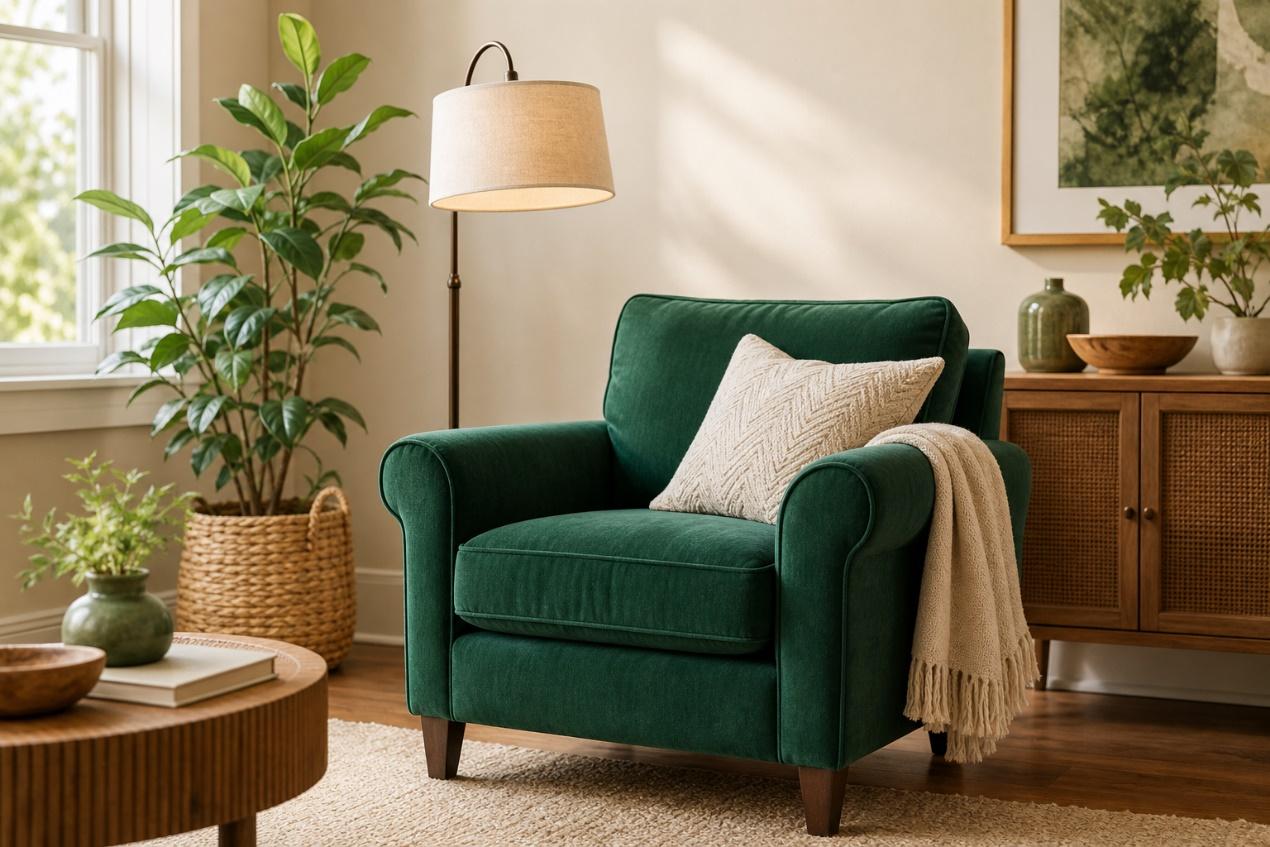
Biophilic design focuses on incorporating natural elements into indoor environments. In Fort Lauderdale, this approach naturally connects with the region's tropical landscape.
Rather than treating plants as occasional decorations, homeowners are integrating greenery, natural textures, daylight, and organic materials into their overall design plans.
Popular ideas include:
- •Large indoor plants in living areas.
- •Natural wood and stone finishes.
- •Indoor gardens and plant corners.
- •Large windows with garden views.
- •Botanical artwork.
- •Natural woven materials.
The goal is to create a more comfortable relationship between indoor spaces and the surrounding environment.
For smaller properties and condominiums, even a few carefully positioned plants and natural finishes can introduce this aesthetic without requiring major renovations.
7. Personalized Interiors and Quiet Luxury
An interior designer Fort Lauderdale homeowners choose can help transform these emerging trends into a cohesive living space. From selecting warm color palettes and durable materials to incorporating natural textures and modern furniture, thoughtful design decisions can create an interior that reflects personal style while addressing the practical needs of South Florida living.
Examples include:
- •Custom-made cabinetry and storage.
- •Carefully selected artwork.
- •High-quality upholstery.
- •Vintage furniture and decorative objects.
- •Unique lighting fixtures.
- •Bespoke furniture arrangements.
The American Society of Interior Designers' 2026 Trends Outlook highlights growing attention to individuality, wellness, sustainability, and changing lifestyle expectations. These broader developments support a more personal approach to residential interiors.
ASID+1
For homeowners planning a complete renovation, working with an interior designer Fort Lauderdale can help bring these individual preferences together into a consistent design concept.
8. Climate-Conscious Materials and Functional Design
One of the most important considerations in Fort Lauderdale Interior Design is selecting materials that can handle the local environment.
The City of Fort Lauderdale identifies elevated temperatures, extreme rainfall, and sea-level rise among its climate challenges. These conditions make durability and moisture management important considerations when planning residential interiors.
City of Fort Lauderdale, FL
Some practical material choices include:
| Interior element | Suitable considerations |
| Flooring | Porcelain tile and properly selected stone |
| Upholstery | Performance fabrics and removable covers |
| Cabinetry | Moisture-resistant construction and finishes |
| Wall finishes | Appropriate coatings and moisture management |
| Window treatments | UV-resistant fabrics and easy maintenance |
| Outdoor furniture | Weather-resistant frames and fabrics |
Moisture control is particularly important. The Environmental Protection Agency recommends keeping indoor humidity below 60%, ideally between 30% and 50%, where possible. It also advises drying water-damaged materials within 24 to 48 hours to help prevent mold growth.
Homeowners should also consider the condition of windows, doors, and other exterior openings when renovating. Florida's hurricane preparedness guidance emphasizes protecting these areas against wind and flying debris.
9. Smart Home Technology and Integrated Lighting
Technology is becoming a more integrated part of residential interiors. Instead of adding visible devices throughout a room, homeowners are choosing systems that blend into the architecture and furniture.
Some popular features include:
- •Smart lighting controls.
- •Automated window shades.
- •Programmable thermostats.
- •Integrated entertainment systems.
- •Smart security devices.
- •Adjustable ambient lighting.
Lighting deserves particular attention because it influences how colors, furniture, and finishes appear throughout the day.
A layered lighting plan can combine natural daylight, recessed ceiling lights, decorative pendants, and task lighting. This creates flexibility for different activities without relying on a single overhead fixture.
Smart technology should also remain easy to operate. The objective is to improve everyday convenience rather than make the home unnecessarily complicated.
10. Art Deco Details and Contemporary Design
Fort Lauderdale and the wider South Florida region have strong connections to coastal architecture and Art Deco influences. In 2026, homeowners can incorporate these references through contemporary interpretations rather than reproducing an entire historical style.
Some suitable design elements include:
- •Geometric decorative patterns.
- •Brass and polished metal accents.
- •Rounded architectural details.
- •Statement mirrors.
- •Decorative wall paneling.
- •Sculptural lighting.
The key is moderation. A geometric mirror or distinctive pendant light can introduce Art Deco character without overwhelming a contemporary interior.
Combining these details with neutral colors, natural stone, and modern furniture creates a balanced look that feels connected to the region.
How to Incorporate 2026 Interior Design Trends Into Your Home
Not every trend needs to become part of a renovation. The most effective approach is to identify which ideas complement your property's architecture, available space, lifestyle, and budget.
Consider these practical steps:
- •Choose a consistent color palette: Start with two or three complementary shades that work with your existing flooring and furniture.
- •Prioritize durable materials: Consider humidity, sunlight, maintenance, and moisture exposure before selecting finishes.
- •Introduce natural textures: Use wood, stone, linen, and woven accessories to add visual depth.
- •Improve lighting: Combine natural daylight with task, accent, and ambient lighting.
- •Personalize the space: Include artwork, furniture, and decorative pieces that reflect your preferences.
- •Avoid unnecessary renovations: Update the elements that genuinely improve comfort and functionality.
A thoughtful approach to Fort Lauderdale Interior Design can help homeowners create attractive spaces without following every passing trend.
Conclusion
The leading Fort Lauderdale design directions in 2026 focus on warmth, natural materials, individuality, and practical luxury. Refined coastal interiors, earthy color palettes, curved furniture, biophilic elements, and indoor-outdoor living are helping shape contemporary residential spaces.
However, visual appeal should not come at the expense of functionality. Homeowners should consider South Florida's humidity, sunlight, rainfall, and coastal conditions when selecting materials and planning renovations.
Ultimately, successful Fort Lauderdale Interior Design is about creating a home that reflects personal style while remaining comfortable, durable, and suitable for everyday living.