Key Takeaways
- •Control standing water and repair irrigation leaks to reduce pest attractants.
- •Clear clutter and debris near exterior walls to limit hiding places.
- •Trim plants and weeds away from the home's exterior.
- •Seal gaps around doors, windows, vents, and utility lines.
- •Store trash, pet food, and outdoor supplies securely.
- •Conduct a weekly yard inspection to spot early signs of pest activity.
- •Seek professional inspection when pests persist, or signs of termites, rodents, or nests appear.
Pest prevention around a Phoenix, Arizona, home often begins outside. Even a tidy yard can offer the food, moisture, shade, and shelter that insects and rodents seek, especially around irrigation lines, block walls, patios, storage areas, and dense plantings. Small, consistent changes can reduce the conditions that make a property less appealing.
Some problems still need a closer inspection. Homeowners looking for local guidance can explore Phoenix pest control services from Green Mango Pest Control, a locally operated provider serving Phoenix and the greater Valley. Its residential and commercial service information covers common regional concerns such as termites, mosquitoes, rodents, roaches, ants, bees, spiders, and scorpions, making it a useful point of reference when repeated activity suggests more than a simple yard cleanup issue.
Why Outdoor Conditions Matter
Most pests are not drawn to a yard for one reason alone. They may find a water source near a leaking hose connection, shelter beneath stored materials, or food in fallen fruit and unsecured pet feed. Phoenix heat can make shaded and irrigated areas stand out, while monsoon moisture can reveal drainage issues that were easy to miss during drier weeks.
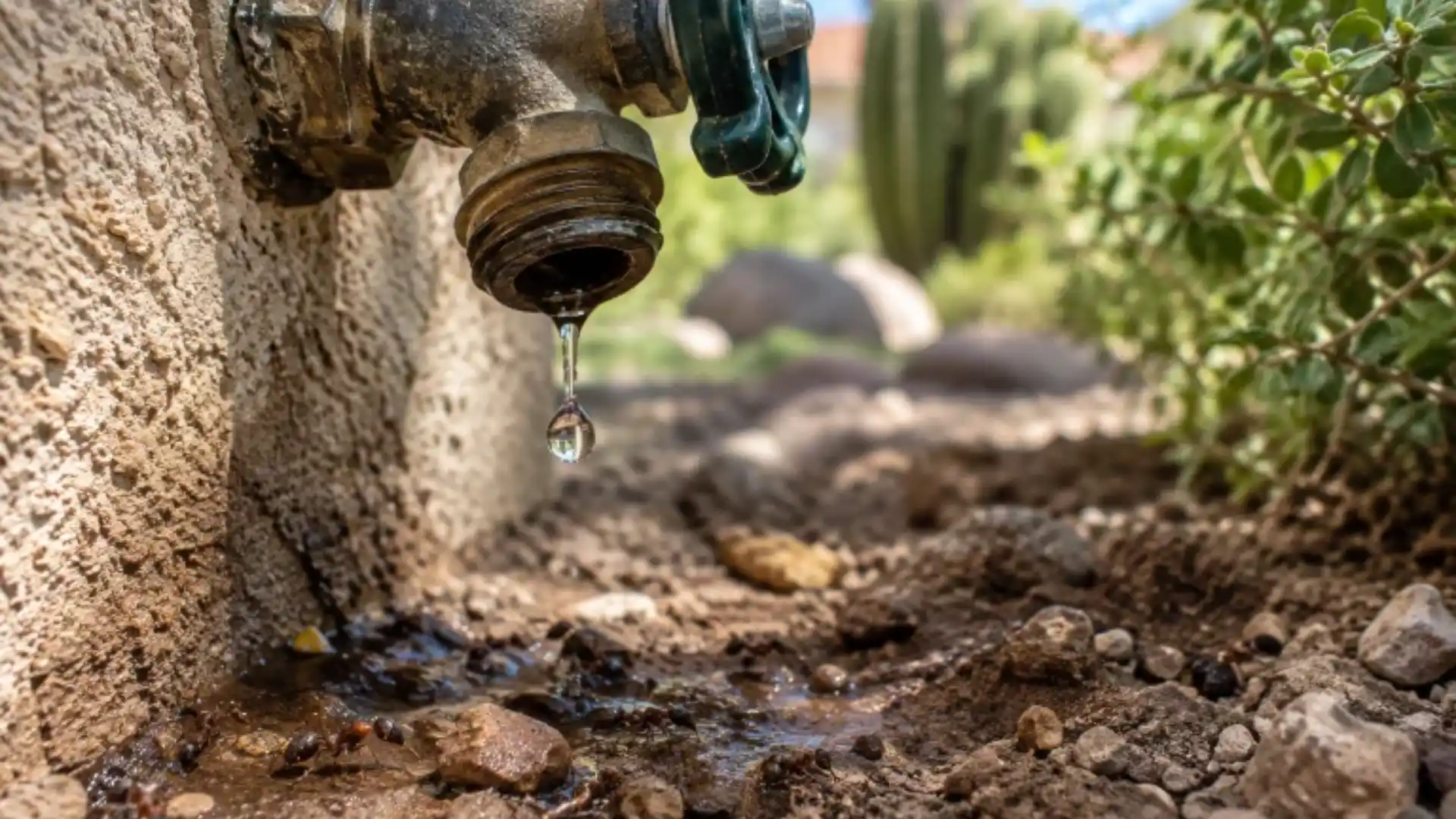
For example, a slow drip at an outdoor faucet can create a reliable stop for ants. Fruit left beneath a citrus tree can attract insects and provide food for rodents. Addressing the conditions that support the activity is usually more useful than focusing only on the visible pest.
Start With Water Control
Water management is one of the most practical places to start. Empty or refresh water held in plant saucers, containers, birdbaths, pet bowls, pool covers, and low spots near the patio. Check drainage areas after rain, and look closely at hose bibs, irrigation emitters, valves, and lines for slow leaks.
Desert-friendly landscaping can also make ongoing maintenance easier when plants are suited to local conditions and watering is intentional. The City of Phoenix encourages water conservation through residential landscape changes, a reminder that yard planning can support both efficient water use and fewer persistently damp hiding places. Clear clogged gutters and downspouts so water does not collect next to the home or along a block wall.
Clear Hiding Places Near the Home
Clutter near exterior walls gives pests places to rest out of the sun and away from disturbance. Move firewood, cardboard boxes, spare pavers, pots, unused equipment, and landscaping supplies away from the house. When storage is necessary, keep items raised off the ground when practical and leave enough clearance to inspect behind and beneath them.
Side yards, garage edges, and covered patios deserve regular attention because they can become catchall spaces. Remove leaf piles, weeds, broken containers, and unused materials. A cleaner perimeter does not guarantee that pests will disappear, but it reduces the number of concealed spaces where scorpions, spiders, insects, and rodents may shelter.
Trim Plants and Manage Weeds
Plants that touch walls, windows, vents, or rooflines can create a route toward the structure and make inspections harder. Trim branches away from the roofline, keep shrubs from covering vents and windows, and remove weeds before they become dense ground cover. Pick up fallen fruit promptly, especially beneath citrus trees.
While checking plants, look for chewed leaves, webbing, insect clusters, droppings, or unusual damage. Warm conditions can support grasshopper activity in Arizona landscapes, and garden covers may help protect vulnerable plants. However, trimming overgrowth and protecting plants may not solve a larger pest problem that extends beyond a garden bed.
Seal Small Entry Points
Yard maintenance works best when pests have fewer entry points. Inspect gaps beneath garage doors, damaged window screens, loose weather stripping, cracks around pipes and utility lines, openings near vents, and gaps around sheds or storage rooms. A worn door sweep or torn screen may be a manageable repair for many homeowners.
For larger cracks, roof-edge openings, damaged vents, or repairs that involve utilities, use a qualified repair professional. Sealing alone is not a complete solution if food, moisture, or shelter remains readily available outside, but it can make the home itself harder to access.
Protect Food, Trash, and Pet Supplies
- •Use tight-fitting lids on trash and recycling containers.
- •Store birdseed, pet food, and animal feed in sealed containers.
- •Clean grills and outdoor food-preparation areas after use.
- •Bring pet bowls indoors overnight when practical.
- •Remove spilled seed and fallen fruit from patios and walkways.
These habits reduce the availability of easy food sources for ants, cockroaches, flies, and rodents. They also make it easier to tell whether activity is continuing after the attractants have been removed.
Create a Ten-Minute Weekly Yard Check
- •Walk the exterior of the house and check shaded areas first.
- •Look for standing water, irrigation leaks, and wet soil where it should be dry.
- •Inspect beneath stored items and along walls, gates, and patios.
- •Check doors, screens, weather stripping, and visible cracks.
- •Watch for webs, droppings, mud tubes, nests, trails, or damaged plants.
- •Trim fresh growth that touches walls or windows, and secure trash and food containers.
- •Take photos of recurring signs so patterns are easier to describe and track.
Know When Cleanup Is Not Enough
Yard improvements can reduce favorable conditions, but they may not remove an established colony, nest, or infestation inside a wall, roof area, soil, or piece of wood. Arrange an inspection when pests continue to appear indoors, rodent droppings or nesting material are present, termite tubes or wood damage are suspected, or stinging insects are nesting near doors or play areas.
Conclusion
Small, repeatable habits can make a Phoenix property less inviting to pests. Control water, clear clutter, trim plants, protect food sources, and repair entry points before they become larger problems. When signs persist, especially with termites, rodents, stinging insects, or repeated indoor activity, an inspection can help identify the source and the appropriate next step.