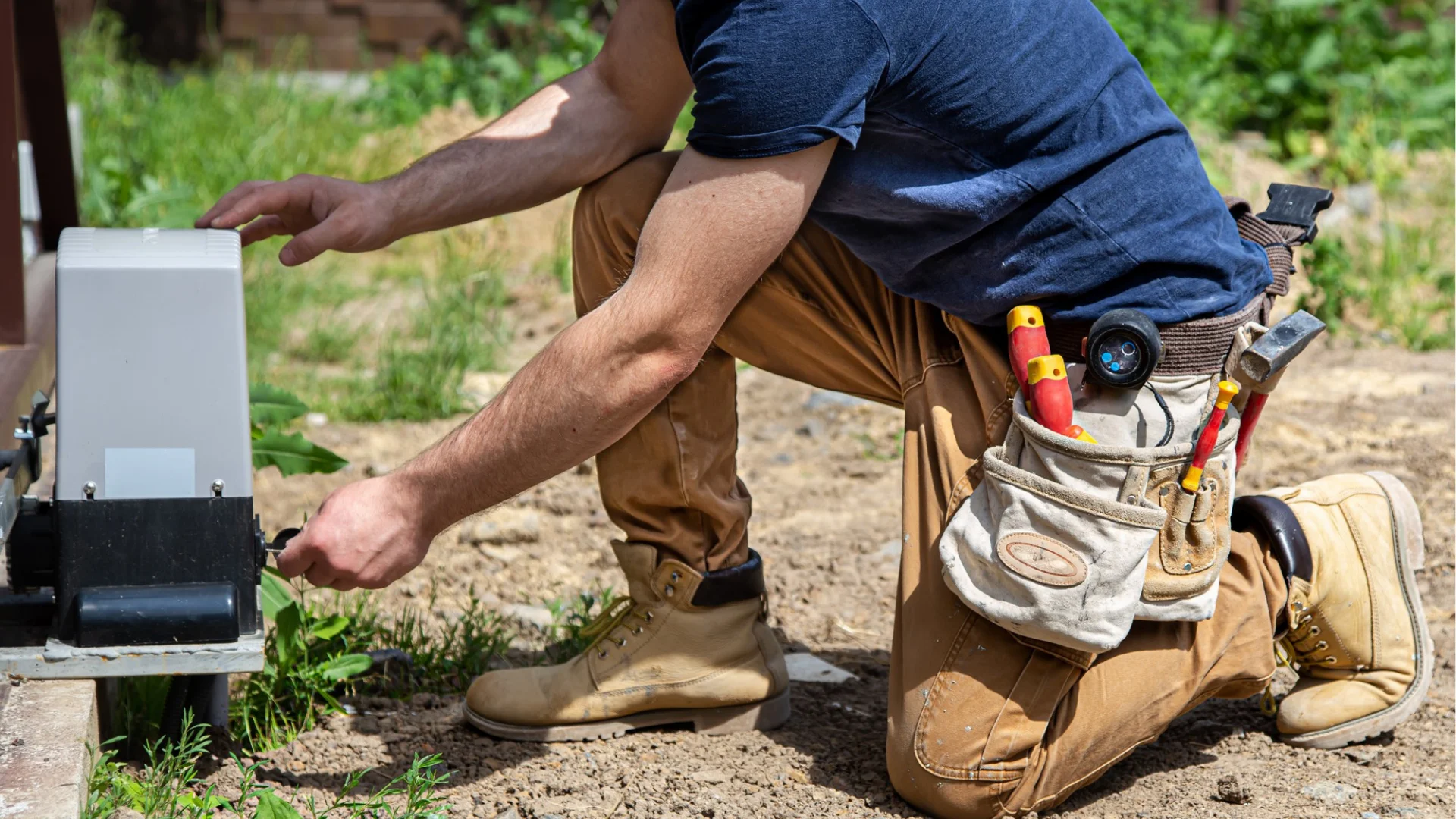
Most homeowners invest carefully in what they can see — fresh paint, updated fixtures, and well-kept landscaping. But beneath the surface of even the most well-maintained property, a separate system operates around the clock, rarely acknowledged until something goes wrong. The yard holds more clues about underground plumbing health than most people realize.
Learning to read those clues is less about technical knowledge and more about developing a habit of observation.
Patches of Unusually Green Grass
A stretch of lawn that stays noticeably greener than the rest, even during dry spells, deserves a second look. When wastewater seeps into the soil from a compromised underground system, it acts as an unintended fertilizer. The grass responds by growing faster and staying lush. This kind of localized growth pattern, especially in a straight line or concentrated area, often signals that something beneath is leaking where it shouldn't be.
This is not something to treat as a pleasant surprise. Nutrient-rich leakage saturating the soil creates a long-term problem for both the yard and the system feeding it.
Soft or Sunken Ground
When the earth feels spongy underfoot in a specific area — not after rainfall, but consistently — saturated soil is usually the cause. Water pooling underground softens the surrounding ground over time. In more advanced situations, the surface may begin to dip or sink slightly.
This type of ground movement often indicates that a buried component has been compromised and is releasing water into the surrounding soil rather than directing it properly through the system.
Slow Drains Throughout the House
A single slow drain is typically a localized clog. But when multiple drains throughout the home — sinks, showers, and toilets — all begin to drain more slowly than usual; the issue is rarely confined to one pipe. This pattern points to something deeper in the system, where drainage from the entire house converges.
This is one of the most consistent indicators that home septic repair may be necessary, particularly when the slowdown occurs gradually over weeks rather than suddenly.
Gurgling Sounds After Water Use
Pipes that gurgle after flushing a toilet or running a faucet are causing pressure problems. Air trapped in a line that should be moving water freely creates that characteristic bubbling noise. It can happen occasionally without meaning much, but recurring gurgling, especially across multiple fixtures, suggests a systemic issue with airflow or drainage flow below ground.
Odors That Come and Go
A faint, unpleasant smell near a specific area of the yard, or occasionally inside near floor- level drains, is one of the more direct signals that underground containment has been breached somewhere. Odors tend to be stronger in humid conditions and may seem to disappear on dry days, leading homeowners to dismiss them.
The intermittent nature of these odors does not mean the problem is minor. It often means conditions fluctuate around a consistent fault.
Backflow Into Fixtures
Water or waste backing up into a tub, shower, or lower-level toilet when another fixture is used is among the clearest physical signs that the system has lost its ability to move waste away from the house effectively. This symptom rarely appears in isolation — by the time backflow is occurring; other signs have usually been present for some time.
Why Timing Matters More Than Most Homeowners Expect
Underground systems do not fail instantly. They degrade over months or years, often giving visible and sensory clues the entire time. The challenge is that most of these signals are easy to rationalize individually. A soft spot on the lawn. A slow-draining sink. A smell that comes and goes. Taken separately, none of them seem urgent.
Taken together, they form a pattern that points to a system working past its limits.
Addressing these signs early, before any single symptom becomes a full failure, typically results in far less disruption to the property and the household. Repairs made at the degradation stage are almost always less involved than those made after a system has completely backed up or collapsed into a section of drain field.
Building Observation into Home Maintenance
A walk around the yard after heavy rain is one of the simplest habits a homeowner can develop. Note where water pools, where the ground feels different underfoot, where the grass looks inconsistent. Inside the home, pay attention to how drains perform after periods of high-water use.
None of these require any technical background. It only requires regular attention to how the property behaves — and the discipline to act on what it shows rather than waiting for a more dramatic sign.
The systems that keep a home functional are most manageable when they are caught early. The yard, for its part, is usually willing to tell you what you need to know.