Managing a shared residential or commercial property involves far more than arranging occasional repairs and annual inspections. Many committees focus heavily on visible upkeep while unintentionally overlooking critical maintenance areas that affect long-term property value, resident satisfaction, and operational efficiency. In many large complexes, professional services such as strata cleaning in brisbane are already part of the routine, yet cleanliness alone does not guarantee a well-maintained building. Hidden structural concerns, neglected systems, and inconsistent preventative planning can gradually create expensive problems that are difficult to reverse.
A comprehensive maintenance schedule should do more than react to obvious wear and tear. It should anticipate risks, preserve assets, and ensure that every aspect of the property continues functioning safely and efficiently.
Preventative Maintenance Often Takes a Back Seat
One of the most common oversights in strata management is delaying preventative maintenance until something breaks. While reactive repairs may seem cost-effective in the short term, they usually lead to larger expenses later.
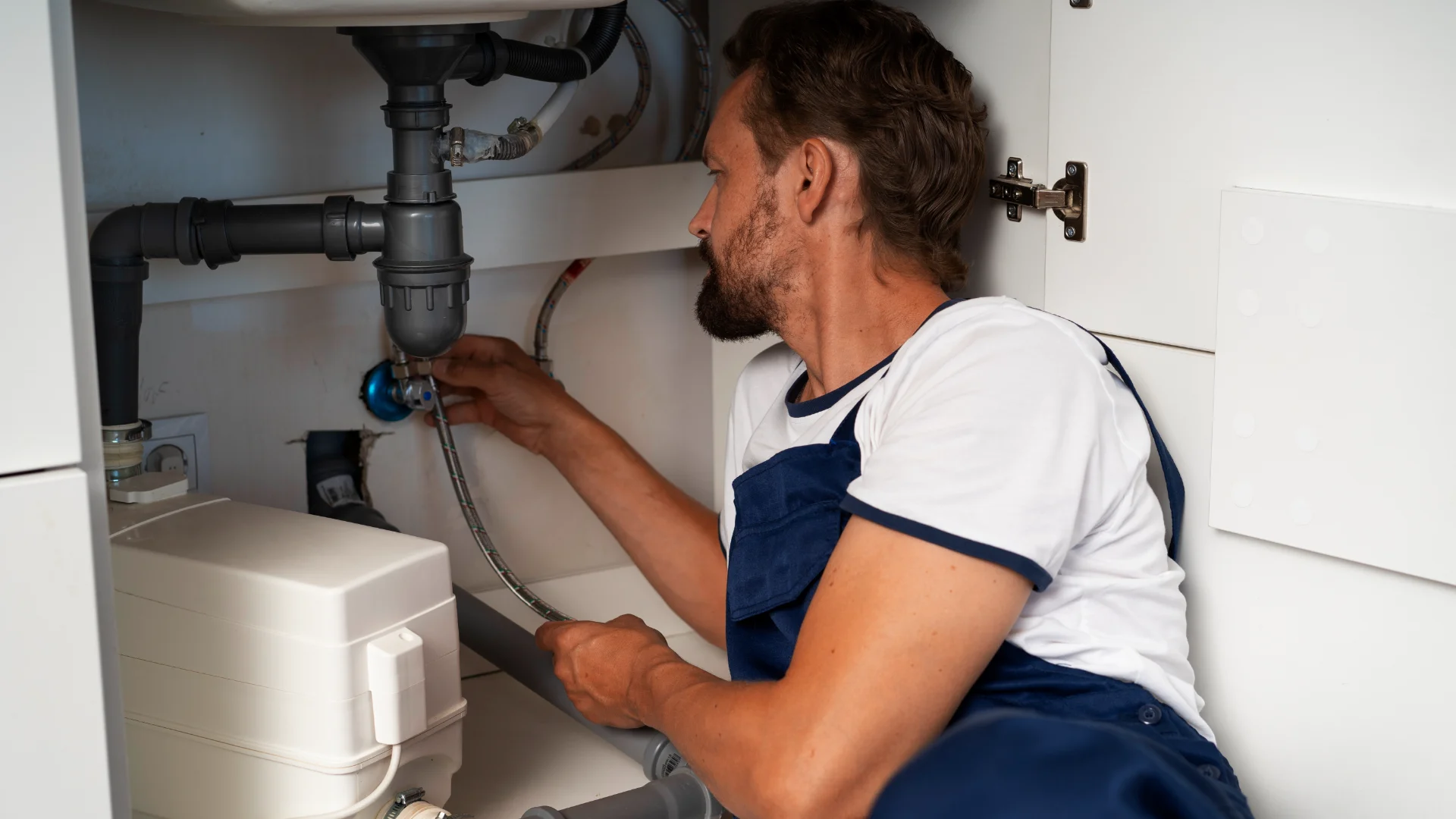
Routine servicing of plumbing, roofing, electrical systems, and ventilation equipment is essential for avoiding sudden failures. Minor leaks, for instance, can quietly damage walls and ceilings long before residents notice visible signs. Similarly, neglected drainage systems may create structural issues during heavy rainfall.
Committees that prioritize long-term maintenance planning generally reduce emergency repair costs and improve the lifespan of shared assets.
External Surfaces Are Not Inspected Frequently Enough
Building exteriors endure constant exposure to changing weather conditions, pollution, and moisture. Despite this, façade inspections are often less frequent than they should be.
Cracked render, deteriorating sealants, loose cladding, and corroded fixtures may initially appear cosmetic but can quickly become safety hazards. Water penetration through exterior surfaces can also contribute to mould growth and internal damage.
High-rise and multi-unit properties especially benefit from scheduled exterior assessments because identifying early deterioration prevents extensive restoration projects later.
Balconies and Railings Require Ongoing Attention
Balconies are among the most heavily used shared structural features, yet they are frequently excluded from detailed maintenance reviews.
Rusting railings, weakened waterproof membranes, and cracked tiles can compromise both appearance and safety. Small drainage issues on balconies may eventually affect apartments below, leading to disputes between residents and strata management.
Regular inspections help ensure compliance with safety regulations while preserving structural integrity.
Ventilation Systems Are Commonly Ignored
Airflow systems are easy to forget because they operate behind ceilings and walls. However, neglected ventilation significantly impacts indoor comfort and health.
Poorly maintained exhaust systems can trap humidity in bathrooms, hallways, and basements. Over time, this encourages mould growth and unpleasant odours. Dust accumulation inside ducts can also reduce efficiency and increase energy consumption.
Strata committees that schedule periodic cleaning and servicing of ventilation infrastructure often experience fewer complaints related to indoor air quality.
Landscaping Maintenance Is Usually Viewed Too Narrowly
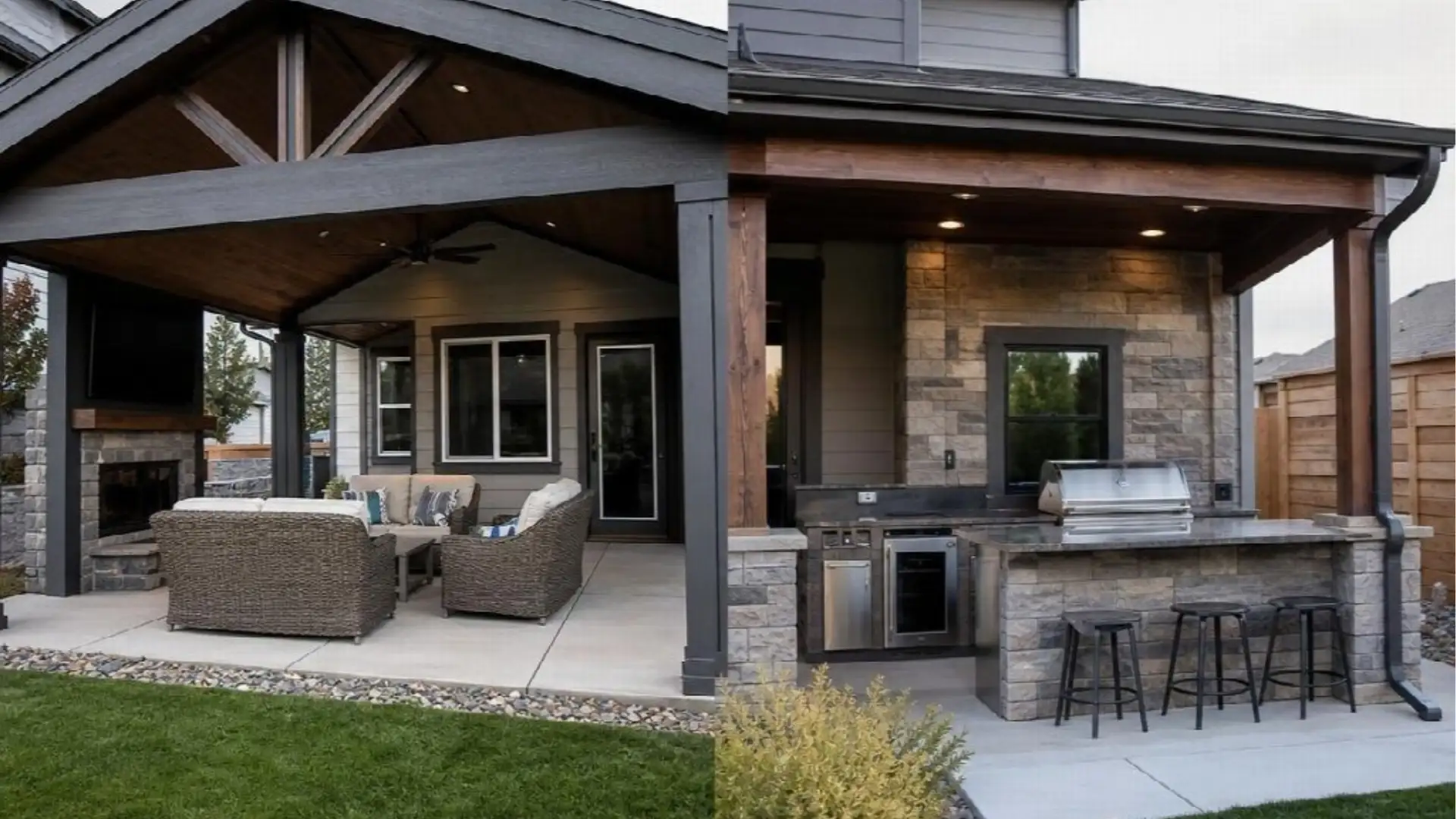
Many committees consider landscaping to be limited to mowing lawns or trimming hedges. In reality, outdoor maintenance has a direct impact on drainage, safety, and property presentation.
Tree roots may interfere with underground plumbing or pathways. Overgrown vegetation can block visibility around driveways and entrances. Poor irrigation management may also damage garden beds or increase water waste.
Thoughtful landscape planning supports both aesthetics and functionality while reducing long-term maintenance concerns.
Seasonal Changes Affect Outdoor Areas More Than Expected
Seasonal weather shifts place additional stress on external spaces. Stormwater drains may clog with leaves, pathways can become slippery, and retaining walls may weaken over time.
Without seasonal inspections, small outdoor issues often escalate into expensive repairs or liability risks.
Shared Amenities Need More Detailed Oversight
Pools, gyms, elevators, and communal lounges are major selling points in many strata developments. However, committees sometimes underestimate the level of maintenance these amenities require.
Elevators need regular servicing beyond mandatory compliance checks. Pool filtration systems require close monitoring to maintain hygiene and efficiency. Shared gyms often need equipment inspections to reduce injury risks.
Residents quickly notice neglected communal facilities, which can negatively affect overall satisfaction and property reputation.
Documentation and Maintenance Records Are Frequently Incomplete
Another overlooked aspect of strata maintenance is proper record management. Some committees rely on outdated spreadsheets, scattered invoices, or inconsistent contractor reports.
Accurate documentation helps track recurring issues, compare service quality, and budget more effectively. Detailed records also simplify future planning and assist when transitioning committee members or property managers.
A clear maintenance history provides valuable insight into the condition of the building and supports more informed decision-making.
Communication Gaps Can Delay Essential Repairs
Even well-intentioned maintenance plans can fail when communication is inconsistent. Residents may not report issues promptly, while committees may delay updates regarding ongoing repairs.
Transparent communication encourages cooperation between occupants, contractors, and management teams. Clear reporting channels also help identify patterns that might otherwise go unnoticed.
When residents feel informed, they are more likely to support maintenance initiatives and contribute to preserving shared spaces.
Sustainability Measures Are Often Overlooked
Energy efficiency and sustainability upgrades are increasingly important in modern strata properties, yet many committees postpone these improvements unnecessarily.
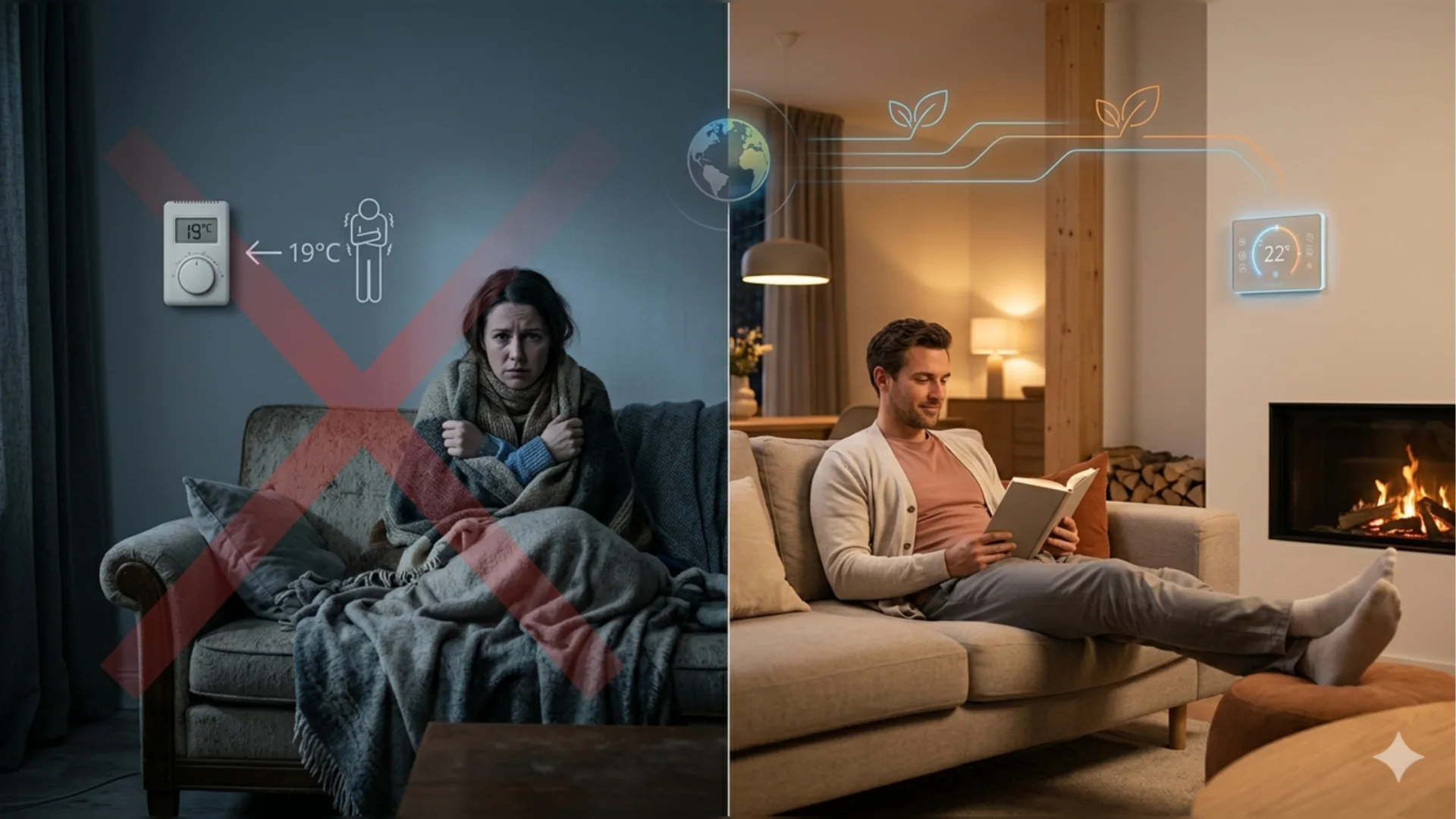
Simple measures such as LED lighting upgrades, water-saving fixtures, and smart irrigation systems can reduce operational costs substantially over time. Solar integration and energy-efficient ventilation systems may also improve property appeal and environmental performance.
Sustainable maintenance planning not only lowers utility expenses but also future-proofs the property against rising operational costs.
Final Thoughts
Effective strata maintenance goes far beyond fixing visible problems as they arise. Buildings are complex environments with interconnected systems that require consistent attention and strategic planning. Committees that focus only on surface-level upkeep often miss hidden vulnerabilities that gradually undermine safety, efficiency, and property value.
By prioritizing preventative maintenance, improving documentation, monitoring shared infrastructure, and addressing overlooked areas proactively, strata committees can create safer, more functional, and more attractive living environments for everyone involved.