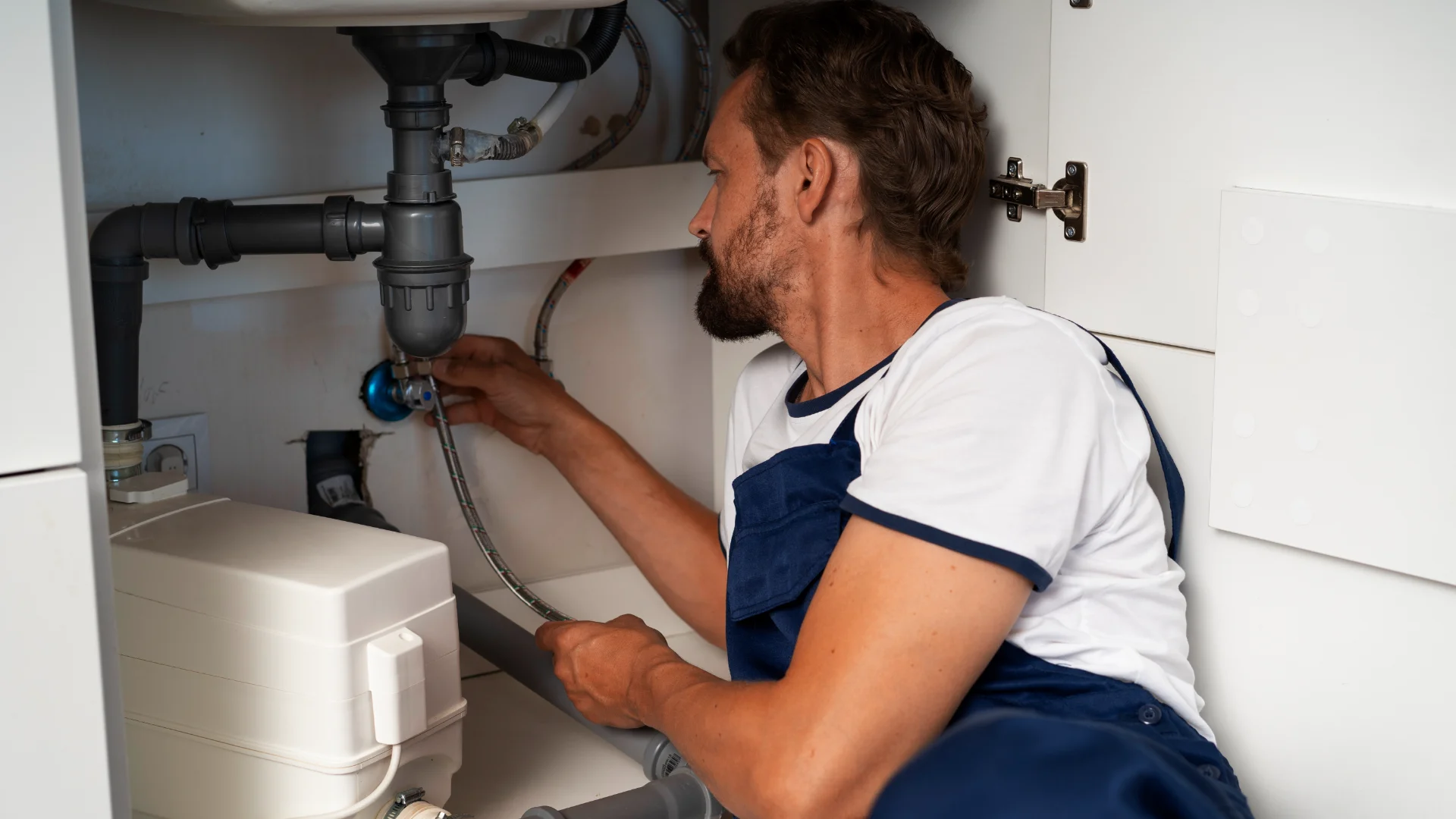
The Preparation Phase Most Projects Skip Before any renovation begins, the most experienced contractors on a job site are already thinking about the end. Not the finished product—the condition of everything surrounding it. Floors, walls, thresholds, and trim are all vulnerable to the moment tools come out, and materials start moving. The projects that finish cleanly are the ones that are planned for protection before the work even starts.
This isn't a minor operational detail. It's a mindset that separates contractors who earn referrals from those who spend the final week apologizing for damage.
Why the Floor Takes the Hardest Hit
Walk through any active renovation and you'll notice the same thing: foot traffic, dropped tools, dragged equipment, and rolling carts all converge on the floor. It's the one surface that can't be moved out of harm's way. Walls can be masked. Countertops can be covered with cloth. But floors bear the full weight of the entire process, from demolition through final walkthrough.
Hardwood scratches under the heel of a work boot. Tile chips when a wrench falls from counter height. Even polished concrete, which seems indestructible, shows scuff marks and chemical staining after weeks of construction activity.
The cost of repairing a finished floor mid-project—or worse, after the client has seen it—is rarely just financial. It's a credibility problem. Clients remember what they see, and a damaged floor signals carelessness regardless of how strong the rest of the work is.
The Business Case for Protecting What's Already There
Renovation work is fundamentally about adding value. Protecting existing finishes is part of that value equation, not separate from it. Every scratch avoided is a conversation that doesn't need to happen. Every undamaged threshold is proof of professionalism.
Contractors who build surface protection into their standard process—not as an afterthought, but as a line item in their workflow—run tighter jobs. Their punch lists are shorter. Their final walkthroughs move faster. Their clients feel respected rather than tolerated.
This is especially true in occupied renovations where homeowners are still living in space. In those environments, the job site is also someone's home. The standard for care goes up considerably, and clients are watching.
Using a reliable protective floor covering for construction is one of the most straightforward ways to communicate that you take both the project and the property seriously. It requires almost no extra time to install, but its presence signals a level of intentionality that clients notice even if they can't name it.Material Selection Isn't One-Size-Fits-All
Not every floor protection product works in every context. The selection process matters.
High-traffic corridors between the entry point and the main work area need something rigid enough to resist repeated impact and moisture from foot traffic in varied weather. A flimsy paper-based product will compress, shift, and tear within hours.
Finished rooms adjacent to the work zone need lighter coverage—enough to catch dust and minor debris without trapping moisture underneath, which can cause more damage than the protection was meant to prevent.
Stairways present their own challenge. Products need to conform to the surface, stay in place without adhesives that might damage the finish, and hold up under diagonal foot traffic that creates different stress points than flat floors.
Matching the right protection product to the specific surface and traffic type is a decision that experienced contractors make instinctively. Newer contractors benefit from asking those questions explicitly before the job starts.
Scheduling Protection Into the Process
The practical challenge isn't knowing that floor protection matters—it's building the habit of deploying it consistently. On jobs with fast-moving timelines, it's easy to skip protection in the interest of speed, especially on the first day when the space seems orderly.
The better approach is to treat floor protection installation the same way you'd treat safety equipment: non-negotiable, first-in. Before staging materials, before moving tools, before the first measurement is taken.
Some contractors add it to their standard setup checklist alongside drop cloths, dust barriers, and tool staging zones. That structural approach removes the decision from the moment and ensures it happens regardless of how the morning starts.
The Walkthrough That Ends Well
The final client walkthrough is the last impression a contractor leaves. Everything the client sees in that moment shapes their review, their referral, and their relationship with the work done in their home.
Floors that look exactly as they did before the project started are not just a practical outcome. They are a statement about how the job was run—and the kind of professional who ran it.