Many homeowners’ associations prioritize maintaining a consistent and well-kept community appearance. Fortunately, landscaping is quite useful in achieving this goal. That’s why most HOAs have specific rules and standards for outdoor spaces.
HOA rules are very different from place to place, and this sometimes confuses homeowners. Nonetheless, it's useful to know that every HOA is different. Landscaping rules are primarily put in place to give communities a well-maintained aesthetic. Also, partnering with a Philadelphia HOA manager can help to streamline the approval process for landscaping changes.
Therefore, understanding the core components of HOA landscaping rules makes it easier for homeowners to make informed decisions. It also helps in avoiding unnecessary violations when changing outdoor spaces.
Landscaping Standards in HOA Communities
Protect Curb Appeal
When it comes to HOA landscaping standards, the idea is to create an attractive and cohesive neighborhood. They help prevent neglect and overgrowth that could affect properties nearby. One of landscaping’s major aims in HOA communities is to protect curb appeal. When a community has a uniform and well-maintained appearance, it becomes much more inviting and desirable to residents and potential buyers while increasing the property value.
It's useful to know that when homeowners follow landscaping standards, it prevents mismatched designs, overgrown lawns, or even neglected yards that disrupt the neighborhood’s overall aesthetic.
Long-term Property Value
In addition, landscaping standards keep properties valuable for as long as possible. For instance, when properties in HOA communities are managed well, they increase in value. Also, potential buyers or residents invest more in places where landscaping is maintained and regulated to high standards.
Approved Landscaping Standards
Guidelines for Lawn Care
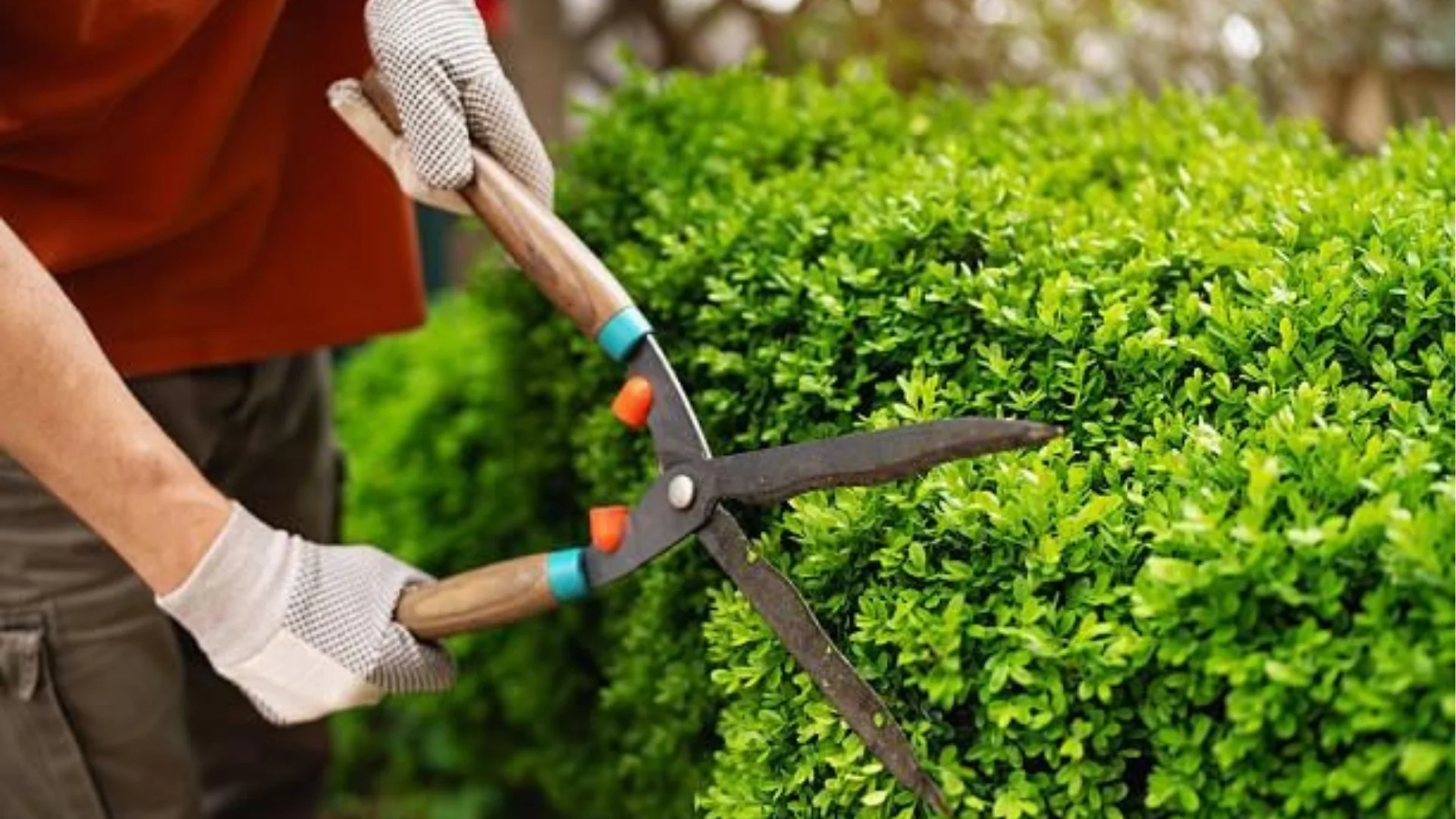
HOAs have guidelines that explain what is acceptable in landscaping within their various communities. These rules and regulations are put in place for a reason. Lawn care is one of the most common requirements for HOA landscaping. Generally, homeowners should mow their lawns regularly, remove weeds, and make sure their grass stays healthy. As a result, items such as dead patches, excessive weeds, and poorly maintained lawns can cause warnings or enforcement actions, depending on HOA policies.
Besides HOA rules, consistent standards for rental property landscaping can also improve tenant retention. When lawns are regularly taken care of and outdoor spaces are visually appealing, tenants will feel comfortable and satisfied in the environment.
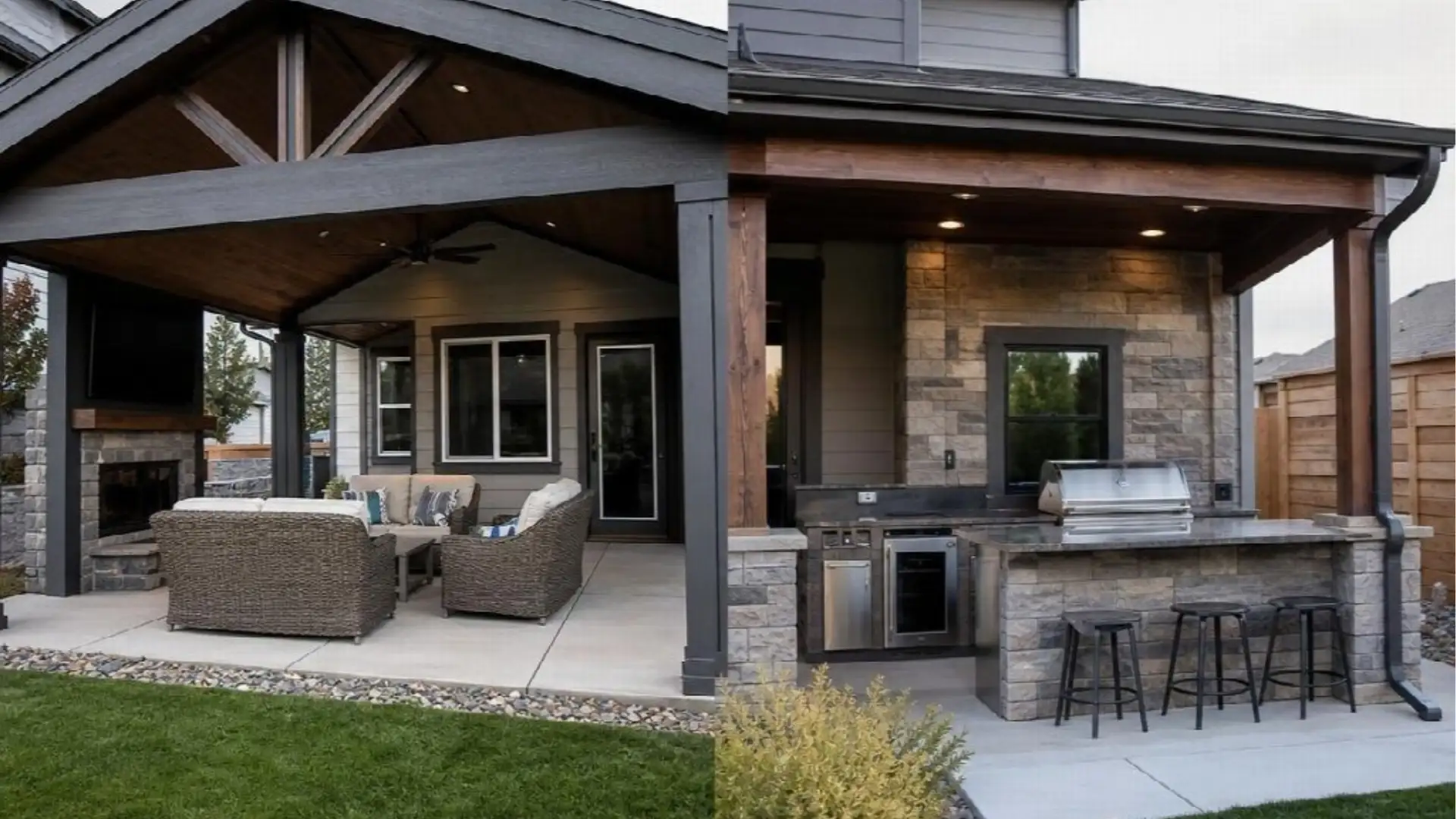
HOAs also pay attention to the types of plants, trees, and shrubs that are planted. In the same vein, they allow lawn furniture, but in limited numbers.
Seasonal Planting Expectations
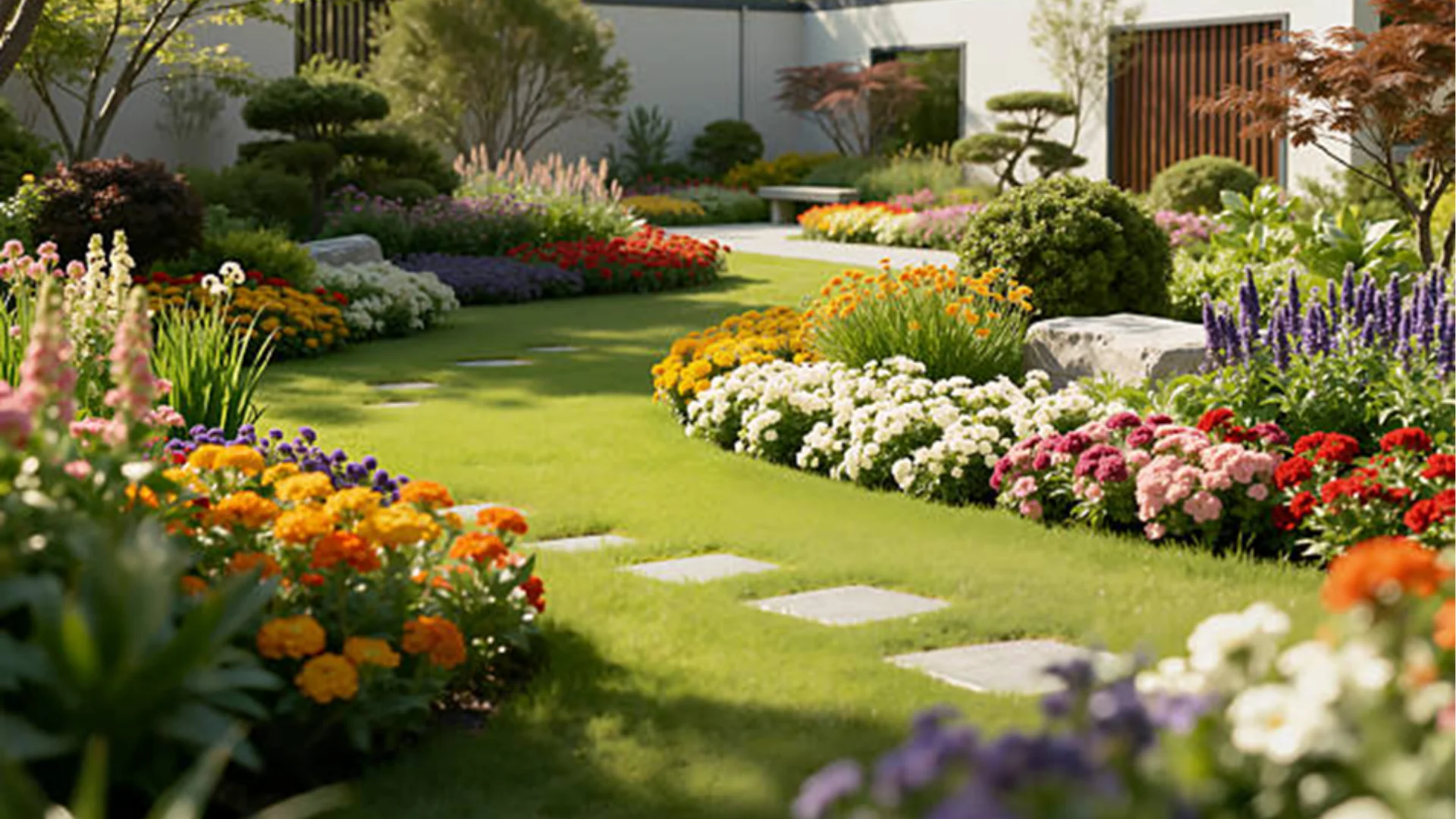
Many HOAs usually have preferred plants every season. These ensure that properties are beautiful and appealing all year round. It is really important to keep homes looking consistent, because a community will look better if the landscapes are somewhat cohesive with each other. To make this happen, HOAs approve specific types of flowers to be planted in certain seasons.
For example, as a homeowner, you're encouraged to plant drought-resistant plants in the dry seasons or keep green plants in cooler months.
How Proactive Management Prevents Costly Issues?
Regular Inspections and Early Intervention
You might be wondering how proactive management prevents costly issues. Well, proactive management is an essential part of HOA landscaping enforcement. Instead of fixing problems after they pop up, several HOAs take steps to reduce long-term costs and ensure compliance.
A key way proactive management prevents costly issues is through regular inspections and early interventions. When properties are monitored regularly, HOA managers are able to spot issues faster. They can find unhealthy plants and other issues before they worsen and become extremely difficult to handle. Without a doubt, early awareness of these issues will make it better for homeowners to avoid expensive setbacks. It'll also prevent such issues from escalating.
Clear Communication and Homeowner Education
When homeowners receive proper communication, they follow the guidelines from the very start. Instead of having issues of non-compliance, which leads to costly complications, they are aware of what they are allowed to do and what they aren't. Giving homeowners easy access to resources and detailed guidelines, such as approved plant lists or maintenance schedules, prevents confusion and keeps them informed.
Conclusion
In conclusion, HOA landscaping rules keep communities well-balanced and visually appealing. They also protect the value of property as time goes by. No matter what your specific HOA landscaping policies are, there’s a reason they exist. When homeowners understand landscaping standards and follow guidelines, they maintain their outdoor spaces and avoid unnecessary conflicts from happening. These rules aren't always easy to follow. They need lots of effort and consistency. Fortunately, they keep the environment attractive and beautiful for everyone living in the community.