Many homeowners assume a clean house should automatically stay pest-free. Then the ants return to the kitchen two weeks later. A roach shows up in the bathroom after a full weekend of scrubbing. Something scratches inside the walls even though food stays sealed and floors stay spotless. That cycle frustrates people because it feels like they are doing everything right and still losing the battle.
The truth is that pests look for much more than crumbs or trash. They search for moisture, warmth, shelter, and safe nesting areas that most homeowners never notice. Some infestations also begin outside long before pests appear indoors. Understanding why they keep returning helps homeowners spot the real problem instead of focusing only on surface cleaning.
When a Clean Home Still Attracts Pests
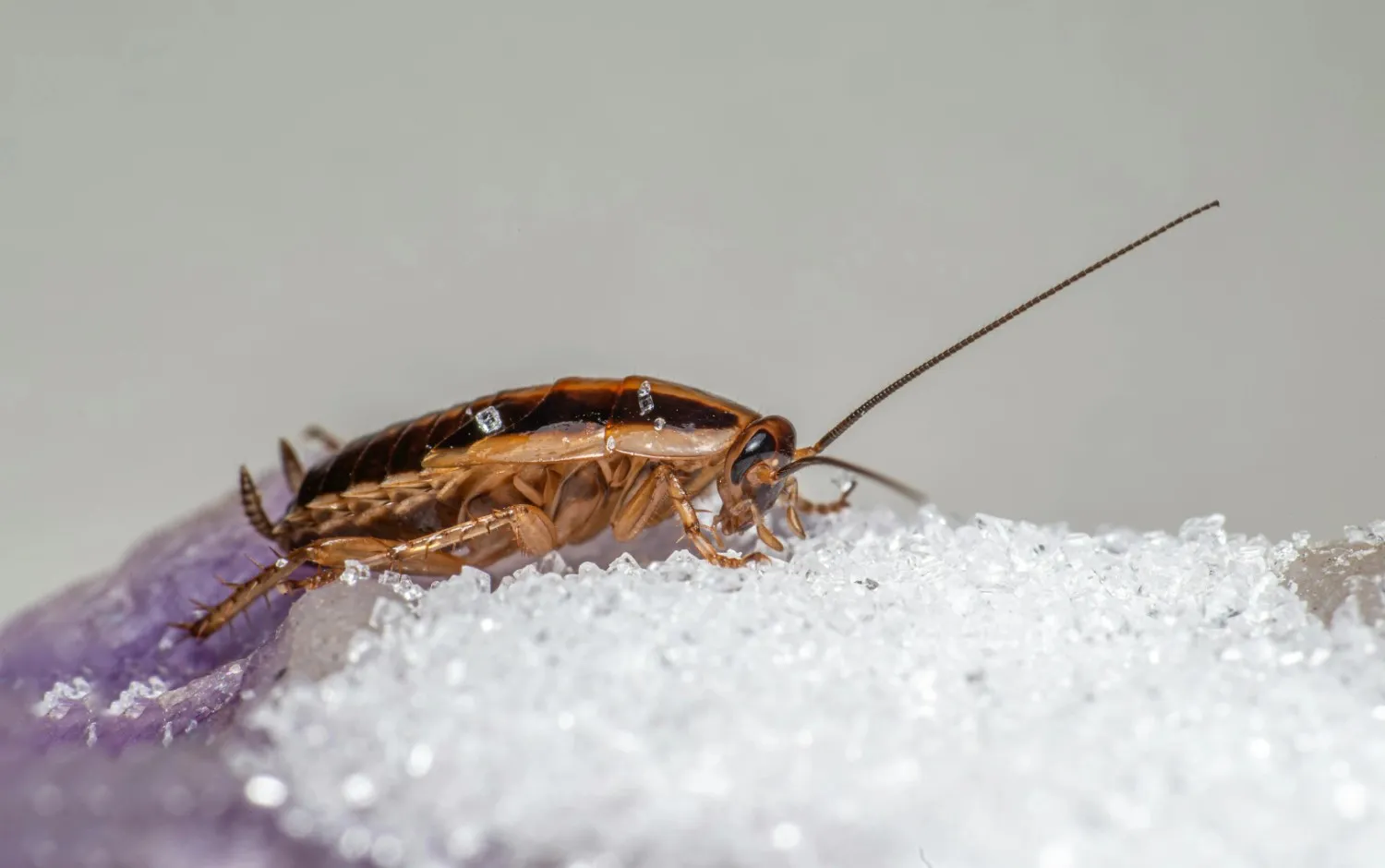
Many pests survive perfectly well in homes that look clean every day. Cockroaches can live off grease buildup behind appliances or moisture under sinks. Ants often follow tiny food residue inside cabinets or around pet feeding areas that homeowners rarely inspect closely. Rodents usually care more about shelter and warmth than visible mess. During colder months, a quiet attic or crawl space gives them a safe place to hide and breed.
Cleaning removes part of the attraction, but it rarely changes the conditions. As a result, pests can survive indoors. Homes with stable temperatures, water access, and hidden entry points continue attracting activity even when kitchens and bathrooms look spotless. This explains why some homeowners keep seeing pests shortly after deep cleaning. The issue often sits behind walls, under flooring, or outside near the structure itself, which is why many recurring infestations eventually require professional pest control services to fully address the source of the problem.
Moisture Keeps Infestations Alive
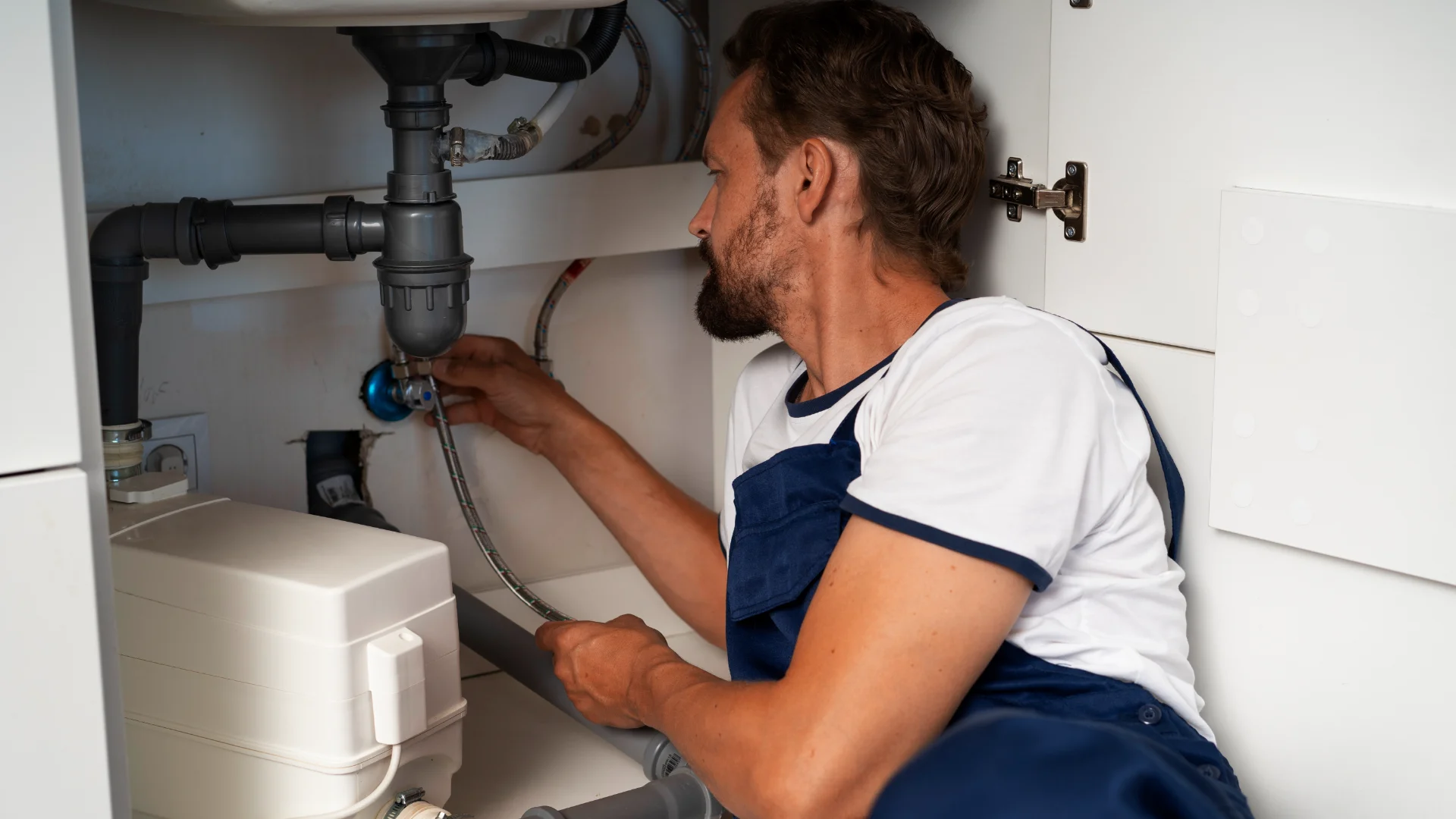
Water plays a major role in recurring pest activity. Many insects depend on moisture to survive, especially cockroaches, silverfish, termites, and centipedes. A small plumbing leak under a sink may not seem serious to a homeowner, but pests treat that damp space like a reliable water source. Humid crawl spaces and poorly ventilated bathrooms also create stable environments where pests remain active for long periods.
Homes in coastal or humid regions often experience stronger pest pressure because moisture builds up faster around foundations, garages, and window seals. Some homeowners clean constantly without realizing the actual problem comes from excess humidity inside walls or under flooring. Pests return because the conditions supporting them have never changed. Moisture problems quietly support infestations long after visible pests disappear from sight.
Tiny Gaps Create Constant Access
Many homeowners underestimate how easily pests enter a house. Mice can squeeze through openings around utility lines, foundation cracks, and damaged weather stripping. Roaches slip through gaps under doors or spaces around plumbing connections. Ants often enter through tiny exterior cracks that homeowners never notice during routine cleaning or maintenance.
Once pests find a reliable entry point, they continue using the same path repeatedly. This creates the impression that treatments are failing when the real issue involves ongoing access into the home. Seasonal weather also affects these openings. Heavy rain, heat, and humidity can expand small cracks around foundations and siding over time. Older homes usually develop even more hidden access points as materials shift and age. Pests take advantage of these weak spots quickly because they offer easy movement between outdoor nesting areas and indoor shelter.
The Yard May Be Causing the Problem
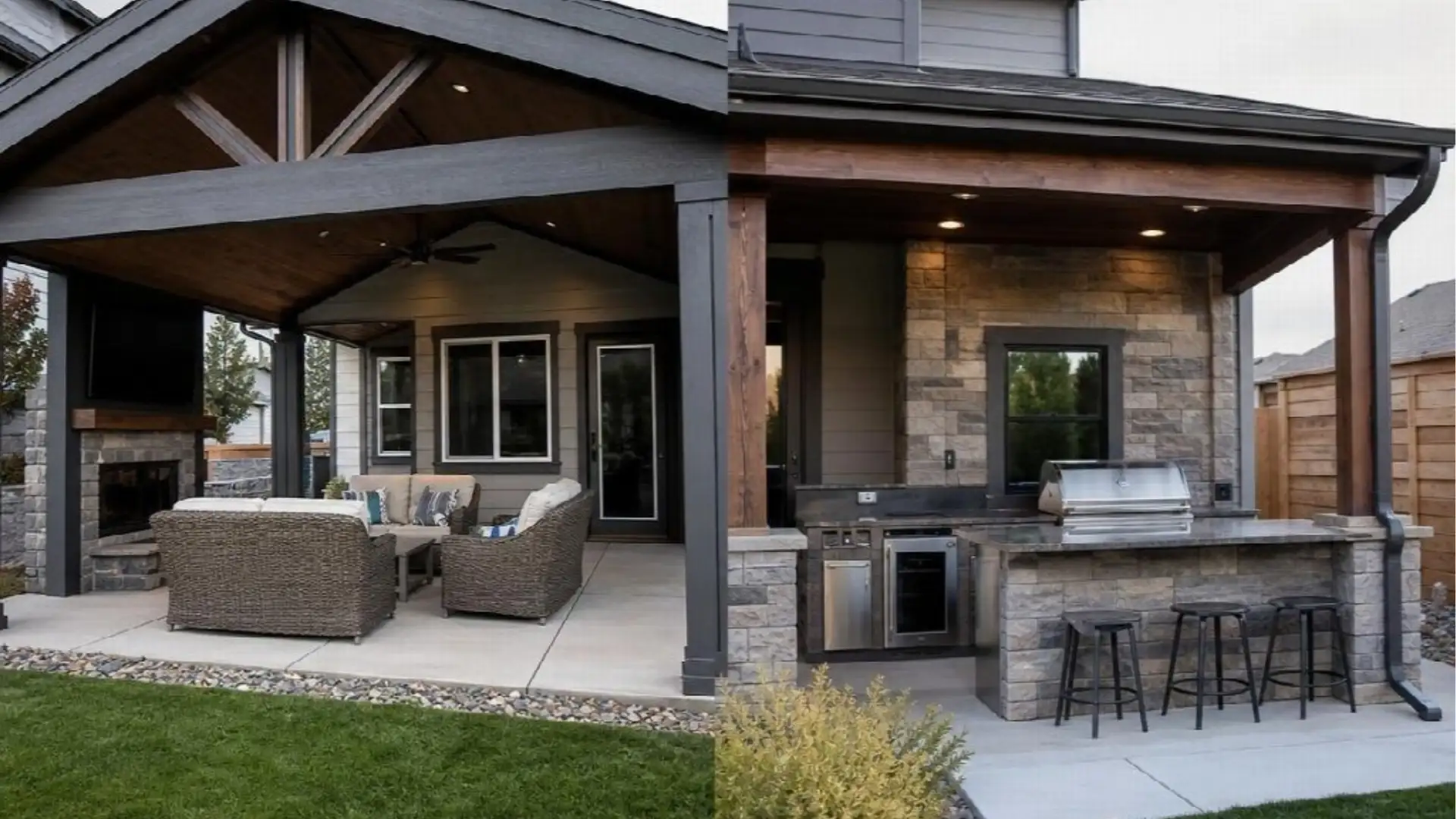
Many recurring infestations begin outside long before pests appear indoors. Overgrown shrubs, thick mulch, standing water, and wood piles create ideal shelter close to the house. Insects gather near these protected areas and slowly move toward the structure as temperatures change or moisture levels increase. Rodents also stay close to homes when landscaping provides easy cover from predators.
Homeowners often focus entirely on indoor cleaning while outdoor conditions continue attracting pests every day. Tree branches touching the roof can help ants and rodents access upper sections of the home. Wet soil near the foundation increases insect activity around crawl spaces and exterior walls. Once pest pressure builds outdoors, indoor sightings become much more common. The home essentially sits beside an active nesting environment that constantly sends new pests toward the structure.
Seasonal Changes Push Pests Indoors
Weather changes strongly affect pest behavior throughout the year. During colder months, rodents search for warm indoor shelter where they can nest safely and access food. In warmer seasons, ants, mosquitoes, and cockroaches become more active because heat and humidity support breeding and movement. Heavy rain can also force pests indoors after outdoor nesting areas become flooded or unstable.
Many infestations seem sudden because homeowners only notice pests once activity reaches visible levels. In reality, the movement may have started weeks earlier around foundations, attics, or crawl spaces. Seasonal transitions often increase pest pressure around homes as insects and rodents adapt to changing outdoor conditions. Homes located near wooded areas, water sources, or dense landscaping usually experience even stronger seasonal activity because pests already live close to the structure year-round.
Storage Areas Become Safe Hiding Spots
Quiet storage spaces create ideal conditions for long-term pest activity. Cardboard boxes, stacked bins, old paper, and unused furniture give insects and rodents protected places to hide without disruption. Garages, attics, and storage closets often stay undisturbed for weeks or months, which allows pests to settle in comfortably. Rodents commonly build nests inside stored fabric, insulation, or boxes filled with paper materials.
Cockroaches and silverfish also thrive in dark storage areas where humidity stays trapped and airflow remains limited. Many homeowners overlook these spaces because pest activity develops slowly and stays hidden at first. By the time visible signs appear, nesting areas may already be established nearby. Storage clutter also makes inspections more difficult because pests can move between hidden spaces without being noticed during normal household cleaning or maintenance routines.
Pests return to homes for many reasons that have little to do with visible cleanliness. Moisture, hidden nesting areas, structural gaps, seasonal weather changes, and outdoor conditions all play a role in recurring infestations. Many homeowners focus on removing the pests they can see while the actual source stays active behind walls, under flooring, or outside near the structure.
Understanding why pests keep coming back helps homeowners look beyond surface-level signs. Recurring activity usually points to conditions that continue supporting insects or rodents somewhere on the property. Long-term prevention depends on identifying those conditions early and addressing the source before infestations grow larger over time.