The Drip, Drip of a Leaky Faucet
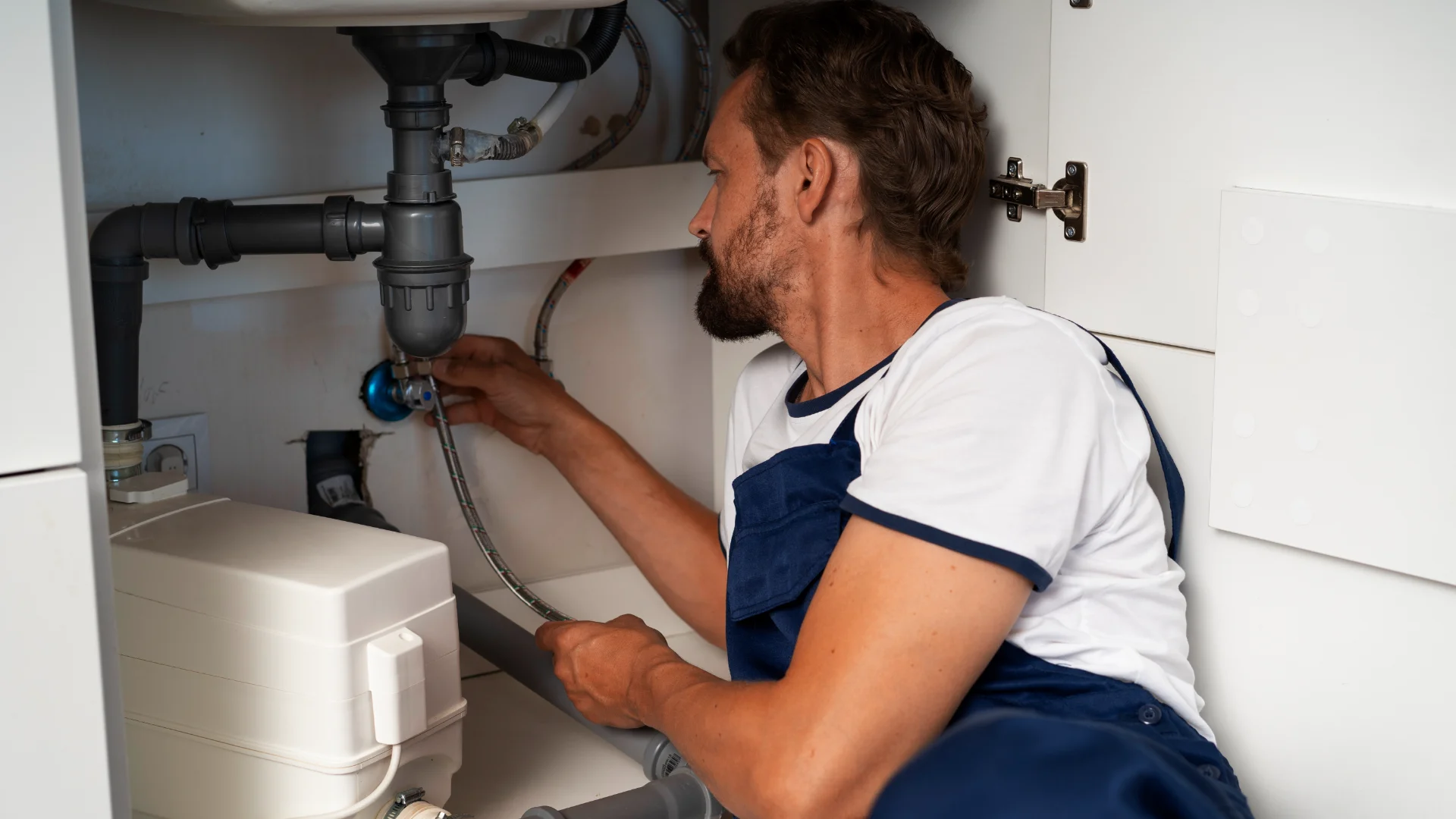
A dripping faucet is more than an annoying noise. It's wasted water! Replacing worn-out washers or seals can stop the drip for good. Isolating the water supply is step one. Then, locate the screw under the decorative cap. Remove it, dismantle the handle, and inspect the washer or seal. Swap the old with the new. Reassemble and turn on the water. Enjoy the silence.
To make things even easier, have a tool kit ready with essential tools like a wrench, screwdriver, and a set of different washers or seals. Knowing the type of faucet you have—be it compression, ceramic disk, cartridge, or ball type—will help you purchase the right replacement parts before starting the repair. Reference guides and online tutorials can be excellent resources for pinpointing the exact steps for your faucet type.
Before tackling the task, it's wise to gather some helpful advice and tips online. Many community forums can offer real-life experiences and suggestions when dealing with specific faucets. Plus, knowing the manufacturer's details can make it easier to access tutorials or user manuals that might include troubleshooting advice or step-by-step instructions.
Even with the best intentions, sometimes plumbing tasks can feel intimidating, for good reason. If you need too much additional guidance or need too much reassurance before you start down the DIY path, perhaps decide not to waste time exploring any more online resources and instead engage a company like King Heating that specializes in fixing common plumbing issues. But if you're determined to DIY, read on.
Installing a New Showerhead
In the mood for a spa-like shower? Installing a new showerhead is a breeze. Ensure the water is off and unscrew the old one. Wrap plumber's tape around the threads of the pipe to prevent leaks. Screw on the new showerhead, hand-tighten, and enjoy your new showering experience.
Unclogging Those Stubborn Drains
Sinks and showers can stop draining when hair and soap build up. No need to call a plumber just yet. Try a plunger or a plumber's snake to clear minor clogs. If that fails, remove the pop-up stopper to clear debris and restore the flow. Chemical cleaners can work, but use them as a last resort. They're harsh on pipes and the environment.
Regular maintenance can save you a lot of trouble. Consider using a drain guard to catch hair and debris before they enter the pipes. Pouring hot water down the drain once a week can also help prevent build-up. Remember, preventing clogs is much easier than clearing them. Sometimes, simply informing everyone in your household of what shouldn't go down the drain can keep it cleaner for longer.
For especially tough blockages, creating a DIY mixture of baking soda and vinegar can help break through muck inside the pipes. Pour half a cup of baking soda, followed by half a cup of vinegar. Let it fizz and react for about 30 minutes before rinsing it through with hot water, leaving your drains flowing smoothly.
Running Toilet Troubles
Is your toilet constantly running? It's likely the flapper or the fill valve. Remove the tank lid and jiggle the handle to see if that stops the water. Replace the flapper if it's cracked. Adjust or replace the fill valve for persistent issues. A steady toilet saves gallons of water.
In some cases, simply cleaning the flapper and its surrounding components can be an immediate fix. Mineral deposits or slimy build-up can affect how the flapper seals, allowing water to trickle into the bowl. Giving them a gentle scrub can help maintain a proper seal, minimizing water waste and erratic operation.
Fixing Low Water Pressure
Low water pressure can ruin any shower. Most times, it’s about cleaning mineral build-up inside the faucet or showerhead. Unscrew the aerator or showerhead, and soak it in vinegar to dissolve deposits. For the stubborn build-up, gentle scrubbing can work wonders. Increased water flow is just a clean-up away.
If your entire house has low water pressure, check the home's main valve to ensure it's fully open. Sometimes, after construction or routine maintenance, valves may be partially closed, affecting your water flow. Consistent low pressure across your home might also indicate a serious issue with your plumbing system, so consider consulting a professional if your DIY efforts don't resolve the problem.
Taking the time to monitor your water pressure regularly can also help catch problems early. Knowing your home's normal pressure and observing any significant shifts can provide clues to potential underlying issues, such as blockages or leaks, helping you act promptly in preserving your plumbing's integrity.
Caring for Your Garbage Disposal
Your garbage disposal is a kitchen workhorse. But it needs care to avoid jams and malfunctions. Avoid fibrous and starchy foods. Run cold water before, during, and after use. The reset button at the bottom of the unit can revive your disposal if it's jammed. For persistent issues, unplug the unit and manually turn the flywheel with an Allen wrench.
You can also freshen up your disposal with natural solutions. Grinding up citrus peels, like those from lemons and oranges, can help deodorize them naturally. Additionally, ice cubes made of vinegar can serve dual purposes by cleaning and sharpening the blades when allowed to run through the system.
Conclusion
Don't let small plumbing issues drain your wallet or peace of mind. With these simple DIY fixes, you can become the household plumbing guru in no time. Your sink, toilet, and shower will thank you!