Introduction
Phoenix homeowners do not think about backyard shade in the same way homeowners in milder climates might. In the desert, shade is not simply a decorative improvement or a seasonal luxury. It determines whether a patio becomes a usable outdoor living area or a space that sits empty during the hottest parts of the year. When sunlight lands directly on concrete, pavers, furniture, and exterior walls, the entire backyard can feel hotter, brighter, and less comfortable.
Two of the most common shade options are pergolas and patio covers. Both can improve outdoor comfort, define gathering areas, and add structure to a backyard, but they are not designed to perform in exactly the same way. A pergola often brings openness, airflow, and architectural character. A patio cover usually provides stronger overhead protection and broader shade. The better choice depends on how much shade the homeowner needs, how the patio is used, and how the structure should connect with the home’s exterior.
Why Phoenix Homes Need Thoughtful Shade Planning
In Phoenix, a shade structure must respond to intense sun exposure, dry heat, glare, dust, and long warm seasons. A poorly planned structure may look attractive but fail to protect the most important parts of the patio. It may cast shade in the wrong direction, feel too small for the space, or create awkward circulation around seating and dining areas. A successful project begins with the way people actually use the backyard.
Homeowners should think about the time of day the patio is most active. Morning coffee, afternoon family use, evening dining, and weekend entertaining all create different shade needs. A west-facing patio may require stronger protection from late-day sun, while a space near a pool may need shade that keeps lounge areas comfortable without blocking views. Shade should be planned like a quiet piece of machinery, working in the background while the backyard stays easy to enjoy.
What Is the Best Choice for Homeowners Who Want Maximum Patio Shade?
Homeowners who prioritize consistent protection from direct sunlight often need more than a decorative backyard feature. The ideal shade structure reduces heat exposure across a larger portion of the patio, creates a more comfortable outdoor environment, and supports everyday use throughout much of the year. A successful solution should also complement the home's architecture while providing dependable long-term performance in demanding desert conditions.
For many properties, patio cover installation phoenix represents the most effective path to achieving those goals because a professionally installed patio cover delivers broad, reliable shade coverage. Unlike more open shade structures, a patio cover creates substantial protection from direct sun exposure, helping maintain a cooler and more usable outdoor area. That added coverage supports outdoor dining, entertaining, relaxation, and other activities that benefit from consistent shade throughout the day. Professional installation also ensures proper structural support, accurate placement, and integration with existing patio layouts.
Material selection further influences long-term results. Aluminum and insulated patio cover systems offer different advantages related to durability, maintenance, appearance, and thermal performance. The right configuration depends on the property's design, shade requirements, and intended use of the outdoor space. Placement decisions affect how effectively the structure blocks sunlight during peak daytime hours, making project planning an important consideration. When homeowners want a permanent shade solution that maximizes patio comfort, improves outdoor usability, and enhances the overall functionality of the backyard, a professionally installed patio cover frequently provides the strongest combination of performance and practicality.
How Pergolas Perform in Phoenix Backyards
A pergola is often chosen for its balance of beauty and comfort. Its open or semi-open roof design filters sunlight rather than blocking it completely. This creates a softer outdoor atmosphere while allowing air to move through the space. In a Phoenix backyard, that airflow can be valuable because fully enclosed or poorly ventilated structures may feel warmer than expected when heat collects beneath them.
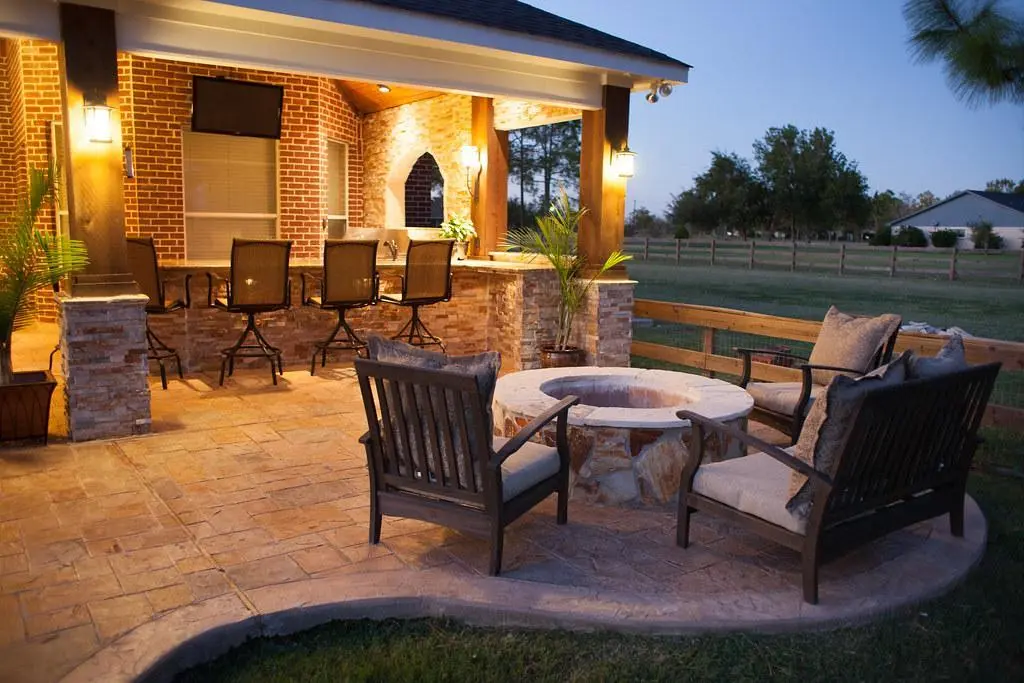
Pergolas work especially well for homeowners who want a defined outdoor room without making the patio feel closed off. They can frame seating areas, create a transition between the house and yard, or add architectural rhythm to an otherwise open backyard. A pergola can also coordinate with landscaping, outdoor kitchens, pool areas, and furniture layouts, giving the yard a more polished and intentional appearance.
When a Pergola Makes Sense
A pergola is usually a strong choice when homeowners want partial shade, design flexibility, and an open-air feel. It may be ideal for patios used in the morning or evening, spaces where airflow is important, or yards where visual style matters as much as sun control. Pergolas can also be customized with shade panels, screens, plants, or lighting, although each addition should be chosen carefully for desert conditions.
How Patio Covers Compare
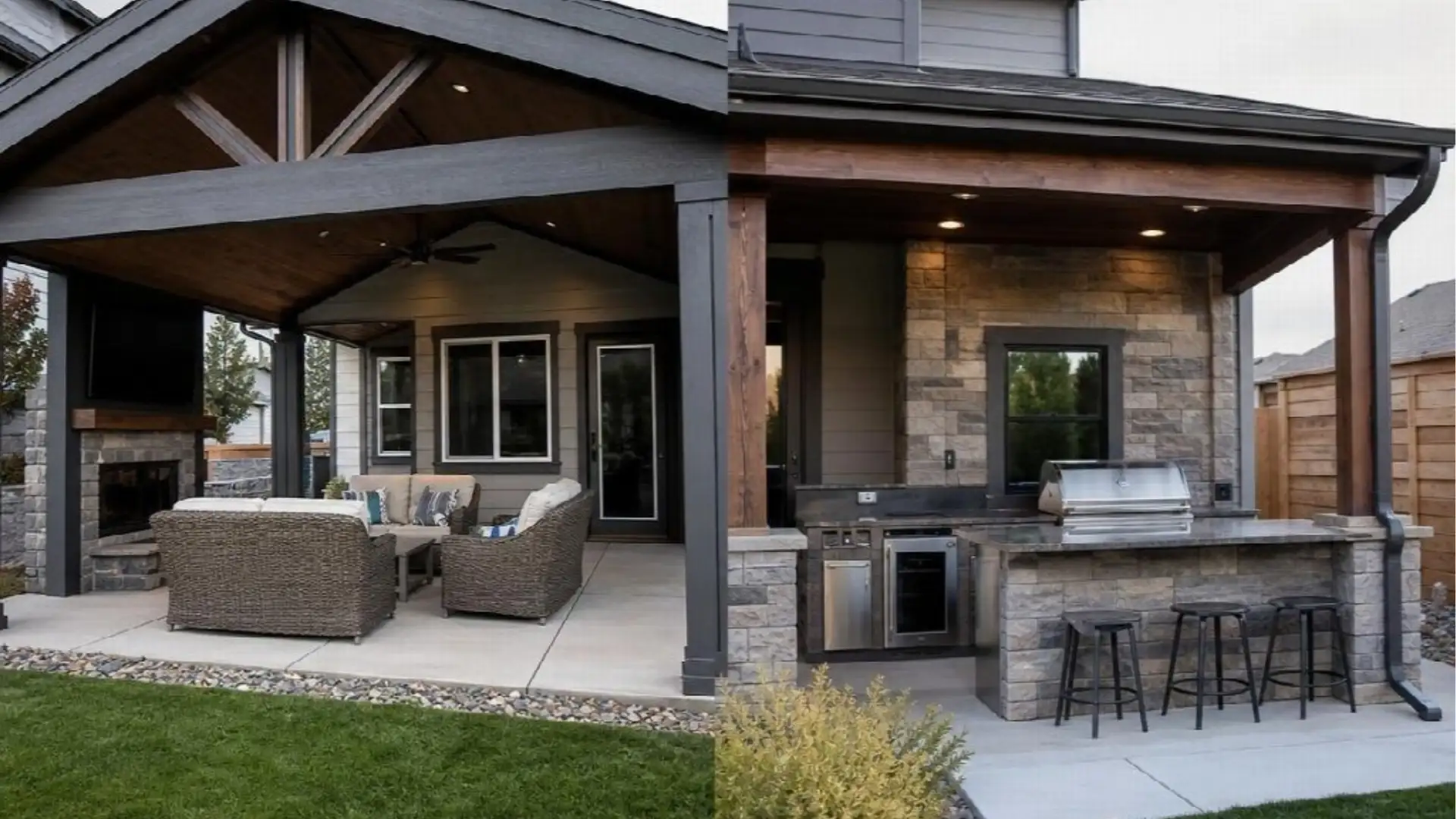
A patio cover is built for more complete overhead protection. Instead of filtered shade, it creates a stronger barrier between the patio and direct sun. This makes it especially useful for homeowners who want a dependable shaded area for dining, children’s play, outdoor furniture, or daily relaxation. In Phoenix, where direct sunlight can make surfaces uncomfortable, that fuller coverage can be the main advantage.
Patio covers also support more predictable outdoor use. A homeowner who wants to step outside during hotter parts of the day may find a patio cover more practical than a pergola. The structure can protect a larger area, reduce direct glare, and help make the patio feel more like an extension of the interior living space. The tradeoff is that the design must be handled carefully so the cover does not feel too heavy, darken nearby rooms, or interrupt the home’s exterior proportions.
The Role of Landscaping Around Shade Structures
A shade structure performs best when it is supported by the surrounding landscape. In Phoenix, hard surfaces can absorb and radiate heat, so the area around a pergola or patio cover matters. Planting beds, trees, gravel, pavers, turf alternatives, and ground cover can all affect how comfortable the backyard feels. Homeowners planning a complete outdoor upgrade can use a practical landscaping guide for outdoor spaces to think beyond the structure and shape the full environment around it.
The most comfortable yards often use layers of shade. A patio cover may protect the main seating area, while trees or tall plantings soften nearby walls and reduce reflected heat. A pergola may create a focal point, while surrounding landscape features make the whole area feel cooler and more connected. Shade is not a single object. It is a backyard system, and each element should help the others do their job.
Planning, Permits, and Installation Details
Both pergolas and patio covers require careful planning before construction begins. Size, placement, footings, attachment points, materials, drainage, and structural loads can all affect the final result. Homeowners should not treat shade structures as simple furniture pieces. They are permanent outdoor improvements, and installation quality influences safety, durability, appearance, and long-term performance.
It is also wise to understand the steps involved before beginning a project. Timelines, approvals, site preparation, and construction sequencing can vary by property and location. Homeowners who want a clearer sense of what these projects may involve can review this overview of the pergola installation and permitting process as a general reference for planning conversations.
Material Choices and Long-Term Performance
Phoenix conditions can be demanding on outdoor materials. Sun exposure, heat, dust, wind, and seasonal weather changes all influence how a shade structure ages. Aluminum is often valued for low maintenance and durability. Insulated patio cover systems may offer additional thermal benefits and a more finished overhead appearance. Wood can provide natural warmth, but it usually requires more upkeep to preserve its surface and structural condition.
Color and finish should also be considered. Darker finishes can create a strong architectural statement, but they may absorb more heat. Lighter finishes can feel softer in bright desert light and may blend well with stucco, stone, and neutral exterior palettes. The right material is not simply the one that looks best on the first day. It is the one that still supports the homeowner’s comfort, maintenance expectations, and design goals years later.
Brand Perspective: Royal Covers
Royal Covers is relevant to this comparison because Phoenix shade projects require experience with desert living, not just general backyard design. Homeowners need structures that match the property, perform under strong sun, and support everyday outdoor use. A patio cover or pergola should feel integrated with the home, not pasted onto the backyard like an afterthought.
Professional planning helps homeowners choose between stronger coverage and a more open architectural feel. It also helps align dimensions, materials, structural details, and placement with the way the patio will actually be used. When these details are handled well, the final structure improves both comfort and curb appeal while making the backyard more useful for daily life.
Conclusion
Pergolas and patio covers both have value for Phoenix homes, but they serve different priorities. A pergola is often best when homeowners want filtered shade, airflow, and a visually open structure that defines an outdoor living space. A patio cover is often the better choice when maximum shade, consistent protection, and practical daily comfort are the main goals.
For homeowners who want the strongest relief from direct sunlight over a main patio area, a professionally installed patio cover frequently provides the most dependable solution. With the right materials, placement, and design, it can transform an exposed backyard into a more comfortable outdoor living area that performs well in Phoenix heat and supports long-term enjoyment.