A practical roof siding guide helps homeowners connect two critical layers of protection: the roofing system above and the siding that shields exterior walls. While they serve different surfaces, both materials work together to defend a home from moisture, wind, heat, and seasonal temperature swings. Choosing compatible products, planning correct installation, and maintaining both surfaces properly can extend structural life, reduce energy loss, and improve curb appeal.
This guide explains how roof and siding choices influence durability, insulation, ventilation, and long-term costs. It also explores material types, climate considerations, installation practices, and maintenance routines that keep the entire exterior envelope performing as a unified system.
How Roof and Siding Work Together
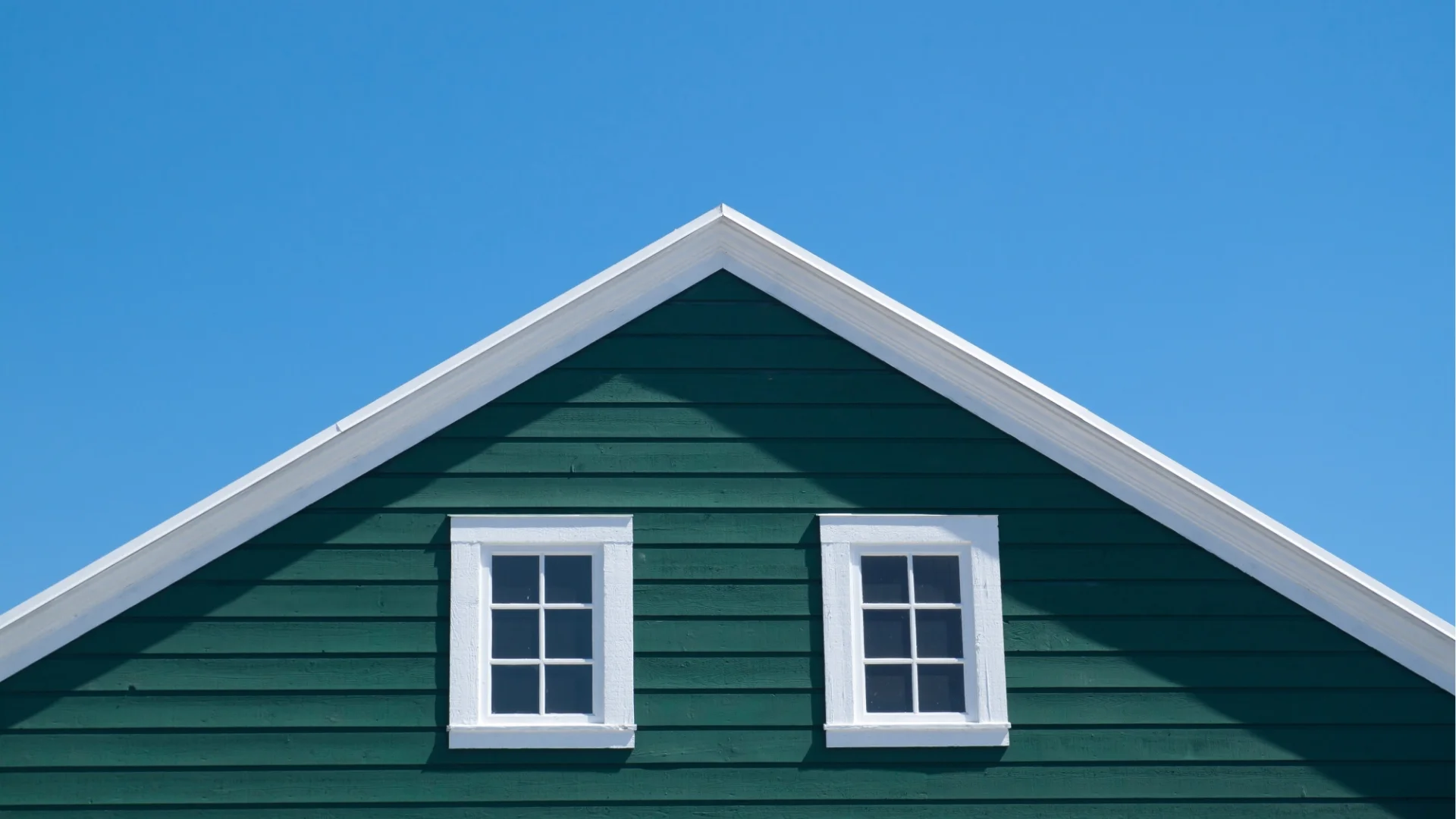
Roofing manages rainwater, snow loads, and direct sun exposure. Siding protects vertical walls from moisture intrusion, pests, and UV damage. When flashing, soffits, fascia, gutters, and wall cladding are coordinated correctly, water is directed away from the structure without penetrating joints or seams.
Improper transitions between the roof edge and siding often cause leaks, mold, and wood rot. A well-planned roof siding guide emphasizes drip edges, flashing details, and ventilation paths that allow moisture to escape while preventing outside water from entering.
Popular Siding Materials for Different Climates
Selecting siding depends on regional weather patterns, maintenance expectations, and budget. Each material has performance traits that suit specific environments.
Vinyl Siding
Vinyl is widely used due to affordability and low maintenance. It resists moisture and insects and performs well in moderate climates. Modern insulated vinyl panels also improve thermal efficiency and reduce wall heat transfer.
Fiber Cement Siding
Fiber cement offers high durability, fire resistance, and resistance to warping. It mimics wood grain while requiring less maintenance. This material performs well in humid, coastal, and high-temperature regions where durability matters.
Wood Siding
Natural wood provides timeless aesthetics and strong insulation properties. However, it requires sealing, painting, and protection from pests and moisture. It suits dry climates or homeowners willing to maintain it regularly.
Metal Siding
Aluminum and steel siding resist fire, insects, and moisture. They are ideal for modern designs and harsh weather conditions but may dent in hail-prone regions.
Engineered Wood Siding
Engineered wood combines wood fibers with resins for added strength. It looks natural while offering better resistance to moisture and termites compared to traditional wood.
Roofing Materials That Complement Siding Choices
A complete roof siding guide considers how roofing materials affect siding longevity and aesthetics.
Asphalt shingles remain popular due to affordability and ease of installation. Metal roofing offers long life and reflects solar heat, helping siding last longer in hot climates. Clay and concrete tiles provide exceptional durability and pair well with stucco or fiber cement siding. Slate roofing delivers premium performance and complements high-end wood or stone siding.
Color coordination between roof and siding also influences curb appeal and heat absorption. Lighter colors reflect heat, while darker tones retain warmth in colder regions.
Installation Practices That Prevent Future Damage
Many siding failures begin at the roofline. Proper flashing installation where the roof meets vertical walls is critical. Drip edges must channel water into gutters rather than behind siding panels. Soffit and fascia installation supports ventilation that prevents moisture buildup in attic spaces and behind siding layers.
Correct nailing techniques allow siding panels to expand and contract with temperature changes. Over-tight fastening leads to warping and cracking. A breathable weather-resistant barrier beneath siding prevents trapped moisture from damaging wall sheathing.
Ventilation and Moisture Control
Ventilation is a core part of any roof siding guide. Ridge vents, soffit vents, and attic airflow systems reduce condensation. When warm air escapes properly, siding panels and roof decking remain dry, reducing mold growth and paint peeling.
Moisture barriers and house wraps behind siding act as a second line of defense. Combined with roof underlayment and flashing, they create a continuous protective shell.
Energy Efficiency and Insulation Benefits
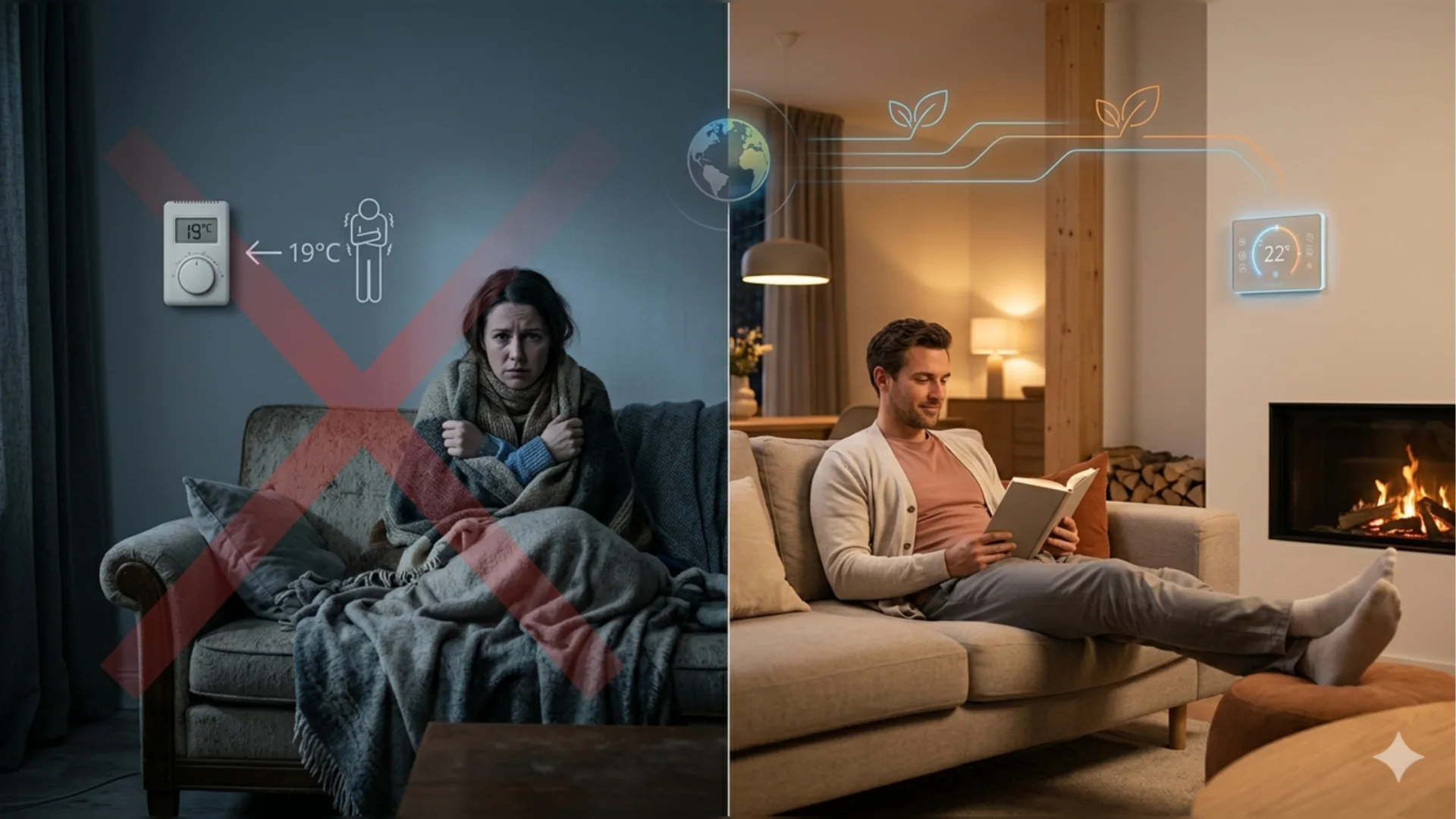
Siding and roofing significantly influence home insulation. Insulated siding reduces thermal bridging through wall studs. Reflective roofing materials reduce attic heat buildup, lowering cooling costs.
When both systems are optimized, homeowners experience improved indoor comfort and lower energy bills. This is especially important in regions with extreme summers or winters.
Cost Considerations and Long-Term Value
Initial material costs vary, but durability often determines true value. Vinyl siding and asphalt shingles offer low upfront expense but may require replacement sooner. Fiber cement siding and metal roofing involve higher installation costs but deliver longer service life with minimal maintenance.
Labor quality also affects performance. Poor installation can shorten lifespan regardless of material quality. Investing in experienced contractors reduces repair expenses over time.
Maintenance Practices That Extend Lifespan
Routine inspection of roof edges, gutters, and siding joints prevents small issues from becoming major repairs. Cleaning gutters ensures water flows away from siding. Washing siding removes dirt, mold, and pollutants that degrade surfaces. Alongside these routine maintenance tasks, a building and pest inspection can help identify hidden structural issues, moisture intrusion, or termite activity before they result in costly repairs.
Matching Style and Architectural Design
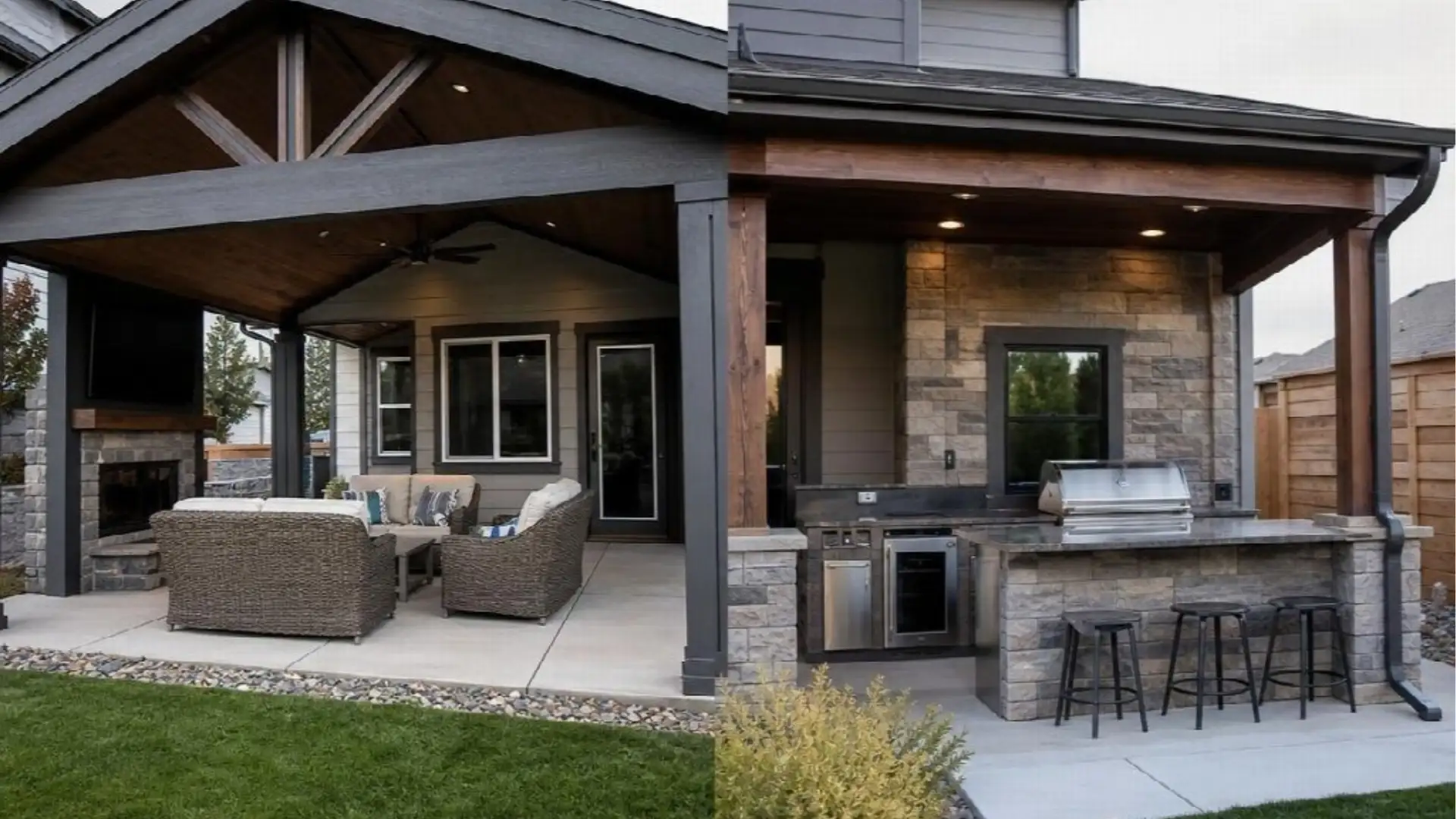
Exterior materials influence visual appeal. Traditional homes often pair asphalt shingles with wood or fiber cement siding. Modern homes may combine metal roofing with metal or engineered wood siding. Mediterranean designs use clay tiles with stucco walls.
Consistency in color, texture, and design improves property value and neighborhood appeal.
Signs It’s Time to Replace Roof or Siding
Cracked panels, warping, peeling paint, mold growth, and rising energy bills signal siding failure. Missing shingles, leaks, sagging rooflines, and granule loss indicate roofing issues. Addressing both together can reduce labor costs and ensure compatibility between new materials.
Hiring the Right Contractor
Professional installation ensures flashing accuracy, ventilation setup, and secure fastening. Contractors experienced with both roofing and siding understand how these systems interact and can prevent common installation mistakes.
Ask for material warranties, past project examples, and detailed estimates before beginning work.
Conclusion
A well-planned roof siding guide helps homeowners understand how exterior materials work together to protect, insulate, and beautify a home. From selecting climate-appropriate materials to ensuring correct installation and regular maintenance, every decision contributes to long-term durability and performance. Coordinating roofing and siding systems not only prevents structural damage but also enhances energy efficiency and property value for years to come.