As we move through 2026, home safety has transitioned from reacting to emergencies to proactive, real-time management of our living environments. While smart alarms for fire and carbon monoxide are now standard, a new priority has taken center stage in modern home health: Subsurface Air Quality. Specifically, homeowners are increasingly focused on detecting Radon gas—the "silent guest" that remains the leading cause of lung cancer among non-smokers and is responsible for an estimated 21,000 deaths annually in the U.S.
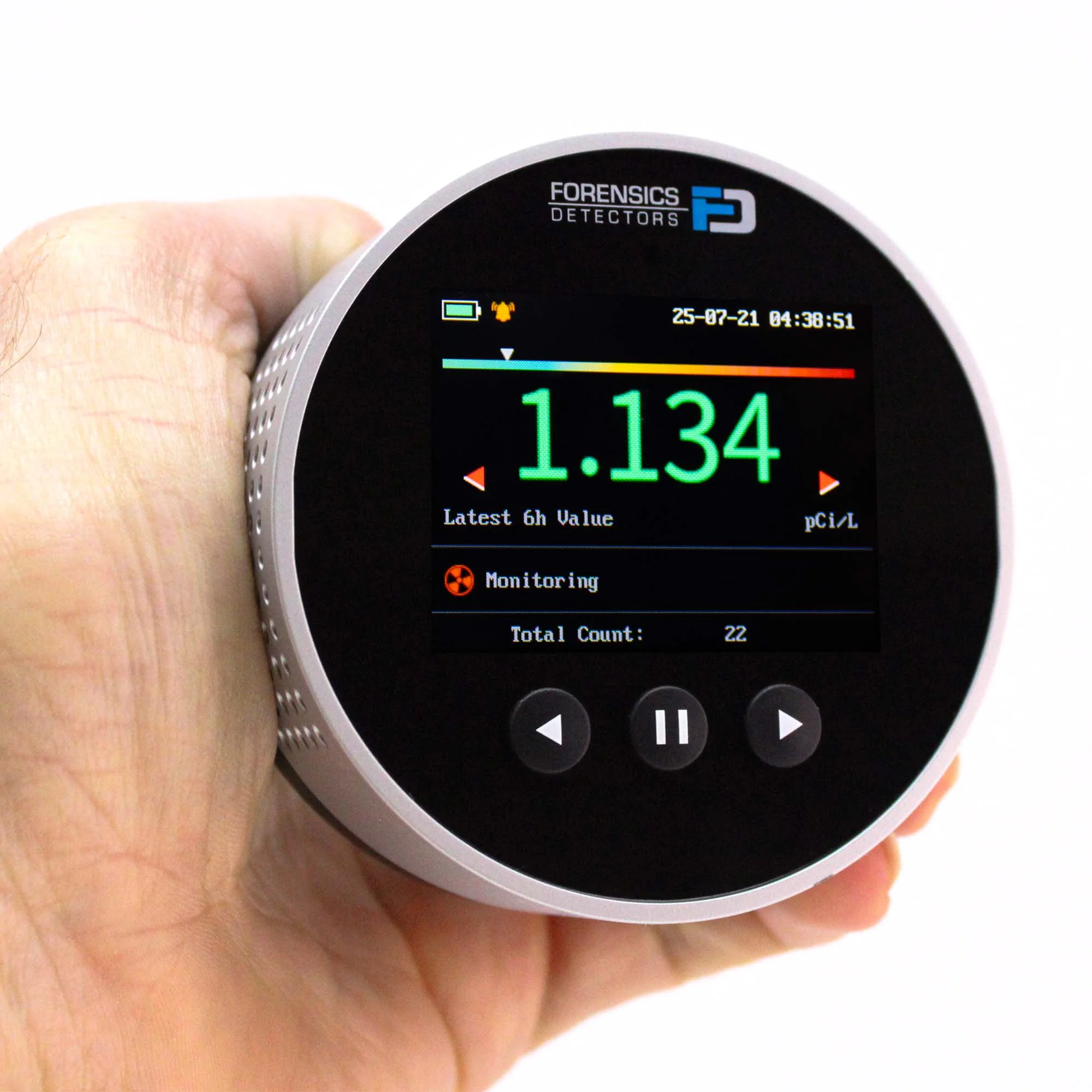
In 2026, the trend has shifted from one-time "snapshot" testing to continuous monitoring. Relying on a digital Radon Detector is now recognized as a critical health investment rather than a niche precaution.
1. The 2026 Shift: Continuous Monitoring vs. One-Time Tests
For decades, many homeowners relied on passive charcoal canisters for a quick, 2-to-7-day screening. However, recent data highlights that these "snapshots" can be misleading because radon levels fluctuate significantly based on seasonal changes, barometric pressure, and even daily weather patterns.
Real-Time Data: Modern digital monitors provide rolling averages—both short-term (last 24 hours) and long-term—allowing you to see how your home's levels change during heavy rains or when the furnace kicks in.
Convenience and Reusability: Unlike single-use charcoal kits that must be mailed to a lab, digital detectors are reusable, handheld units with easy-to-read LCD screens that can be moved from room to room to get a complete picture of your exposure.
Accuracy Improvements: By 2026, consumer-grade digital monitors have improved drastically, with many publishing accuracy within $\pm$10% of professional-grade reference devices under most stable conditions.
2. How Radon Enters Your Living Space
Radon is a radioactive gas produced by the natural breakdown of uranium in soil and rock. Because it is odorless, tasteless, and colorless, it can accumulate to dangerous levels without warning.
Foundation Entry: The gas seeps into homes through cracks in basement floors, openings in walls, and gaps around pipes or foundations.
The "Stack Effect": In colder months, heating your home creates air pressure changes that can actually pull more radon gas from the ground into your living space.
Location Risk: While radon is more common in basements or lower levels, it can be found in any home, regardless of whether it is new, old, drafty, or well-insulated.
3. Mitigation: Turning Data Into Action
If your detector reveals levels at or above the EPA's 4.0 pCi/L action level, or even borderline levels between 2.0 and 3.9 pCi/L, taking action is essential for long-term respiratory health.
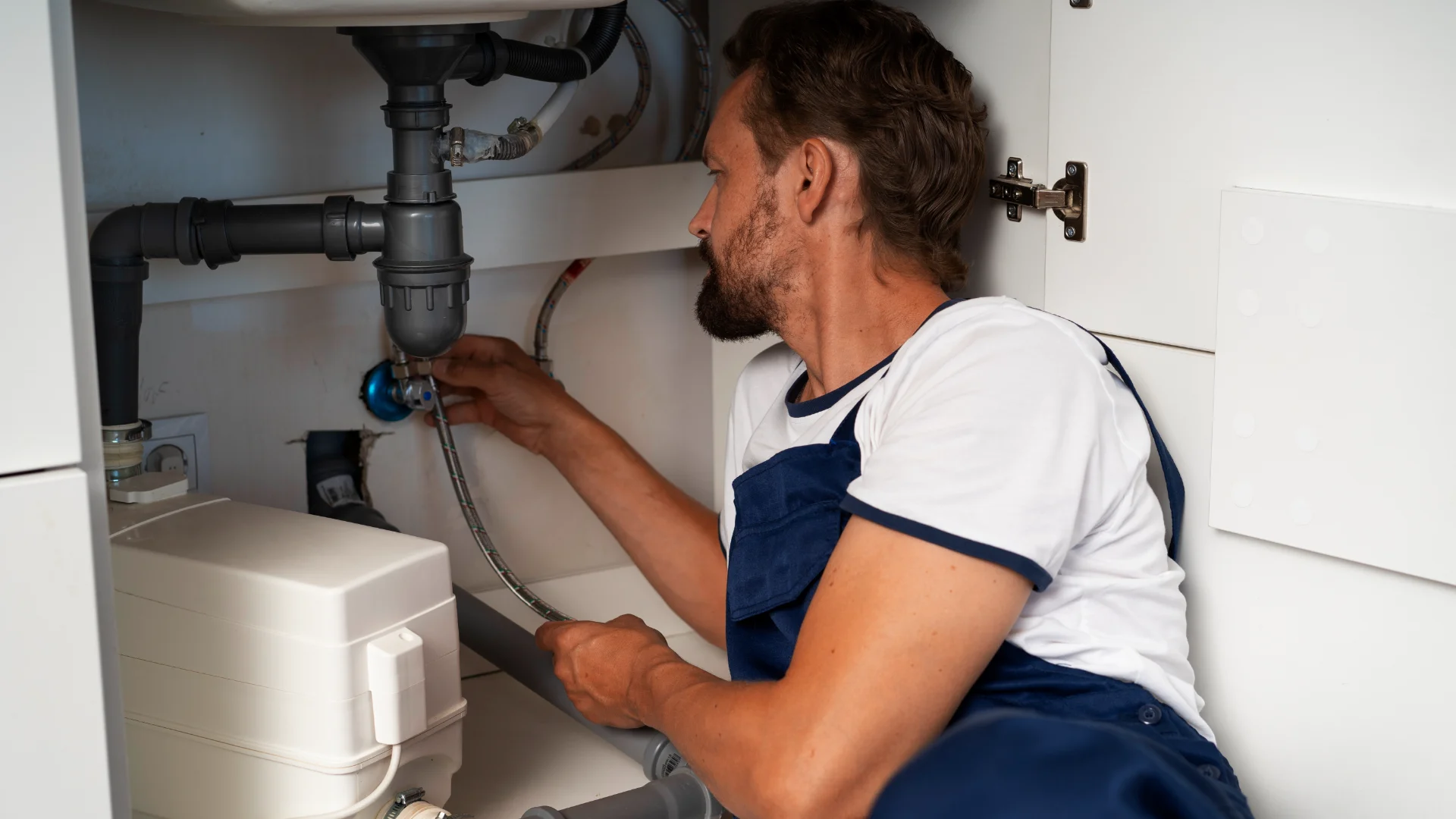
Professional Mitigation: Hire a certified radon professional to install a sub-slab depressurization system. These systems typically use a vent pipe and fan to collect gas from under the foundation and vent it safely outdoors.
Cost-Effective Solutions: Mitigation is comparable in cost to other common home repairs, often ranging from $1,200 to $2,500 in 2026, and does not require major renovations.
Regular Retesting: The EPA recommends retesting every two years, even if a mitigation system is already in place, to ensure the air remains safe.
Conclusion: Breathing Easier in 2026
Your home is meant to be a sanctuary. By moving toward active air quality management, you take control of an invisible factor that significantly impacts your family's health over time. A digital Radon Detector is more than just a gadget; it is a vital sentinel ensuring that the air you breathe is as safe as the walls that surround you.