Have you ever walked into a beautiful home and wondered how it still looks untouched after twenty years of kids, storms, pets, and rising repair costs? The answer is rarely luck. High-value properties stay valuable because someone pays attention before problems become expensive headlines. In a time when insurance premiums are climbing and climate-related damage keeps making national news, smart maintenance habits have become less of a luxury and more of a survival skill for homeowners who want their investment to last.
Small Repairs Before They Become Public Disasters
Luxury properties rarely collapse from one dramatic event. Most lose value through small ignored problems that slowly pile up behind polished countertops and fresh paint. A tiny roof leak can turn into mold, warped wood, and a five-figure repair bill faster than most owners expect.
Many homeowners learned this lesson after recent hurricanes and severe winter storms exposed weaknesses that had been hiding for years. Smart owners now schedule seasonal inspections instead of waiting for visible damage. They check attic moisture, inspect gutters, reseal windows, and replace cracked caulking before water sneaks inside. It feels boring in the moment, but preventive maintenance is cheaper than emergency restoration crews showing up at midnight with industrial fans and frightening invoices.
The Quiet Role of Cleanliness and Prevention
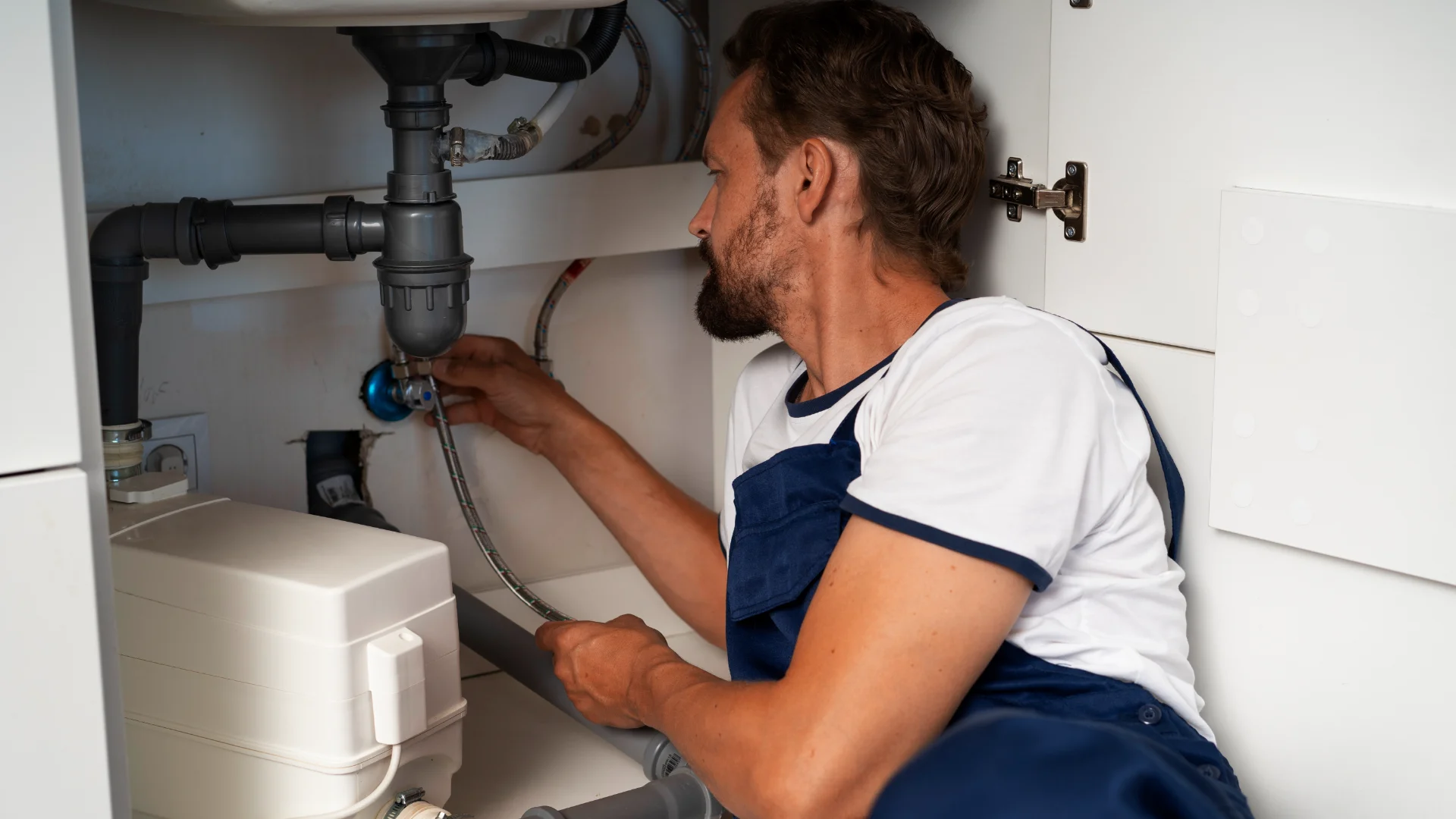
There is a strange irony in property ownership. The homes that look effortless usually require the most discipline behind the scenes. Dust buildup in vents, moisture under sinks, and neglected landscaping quietly invite damage long before owners notice warning signs.
That reality has pushed many affluent neighborhoods to rely more heavily on pest control services in higher-end areas because insects and rodents are no longer limited to neglected properties. Warmer winters and expanding urban development have changed migration patterns for pests across the United States. Termites now appear in regions that rarely dealt with them a decade ago. Smart homeowners trim shrubs away from siding, store firewood at a distance, and inspect crawl spaces every few months. Prevention may not sound glamorous, but neither does discovering carpenter ants in imported hardwood flooring.
Climate Change Has Changed the Maintenance Calendar
The old maintenance schedule no longer matches modern weather patterns. Heat waves last longer, rainfall arrives harder and faster, and freezing temperatures now appear in places that once considered snow a novelty. Homeowners who still follow outdated routines often end up reacting instead of preparing.
Smart property owners are adapting by treating maintenance like risk management. They upgrade drainage systems, install smart leak detectors, and choose roofing materials designed for extreme temperature swings. In California, wildfire-resistant landscaping has become a serious selling point. Along the East Coast, flood-resistant basements are increasingly viewed as essential rather than optional. Maintenance today is not just about preserving beauty. It is about making a property resilient enough to survive unpredictable conditions without draining its value.
Smart Technology Works Best With Human Attention
Home automation has become the unofficial butler of modern property care. Sensors can now detect water leaks, unusual temperature changes, or electrical problems before homeowners even notice something feels wrong. Some systems send alerts directly to a phone while owners are sitting on a beach hundreds of miles away.
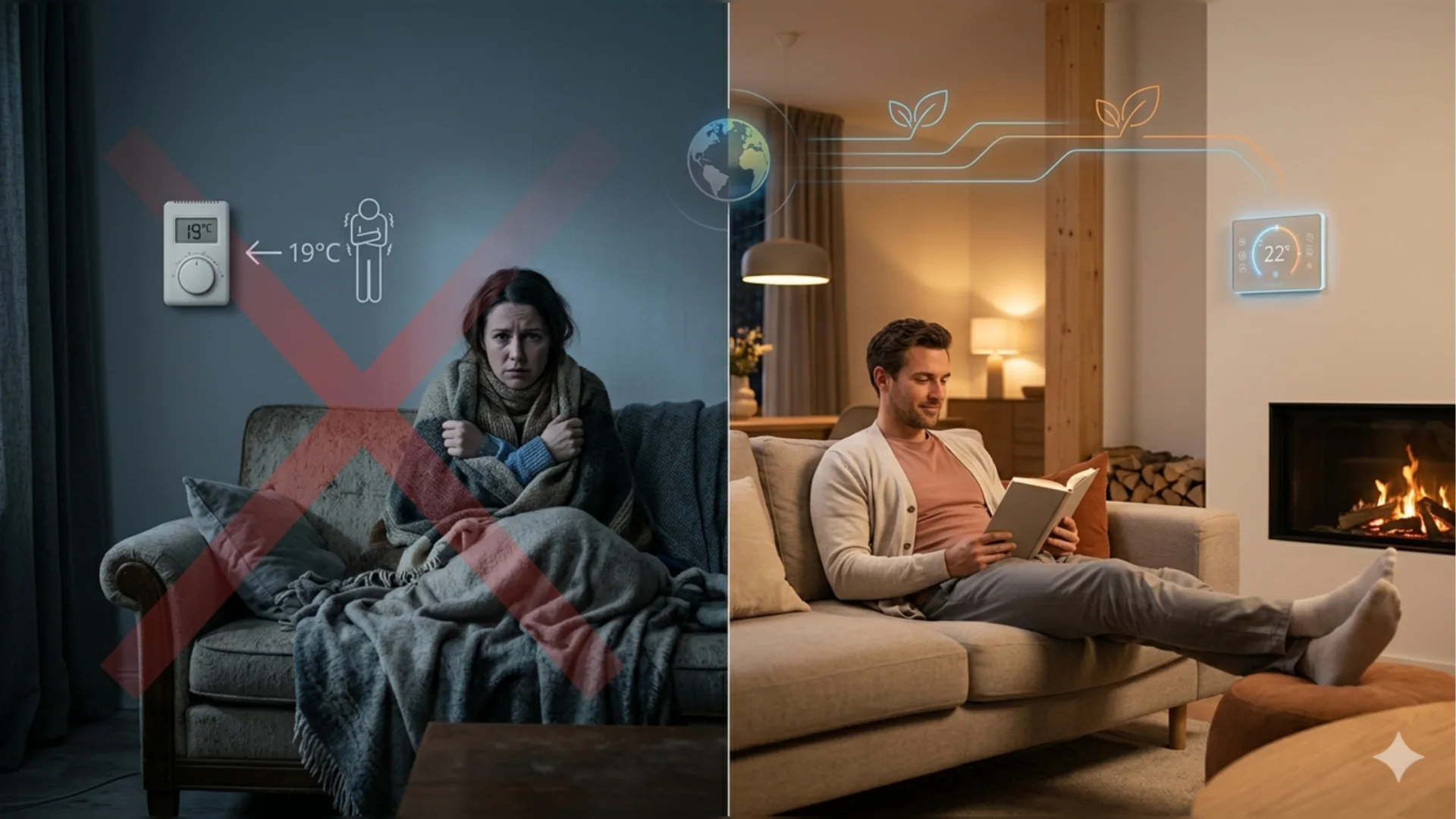
Still, technology has limits, and homeowners occasionally forget that apps cannot replace common sense. A smart thermostat cannot tell whether tree branches are scraping against shingles during high winds. Cameras cannot always detect subtle foundation movement. The most effective homeowners combine digital monitoring with regular physical inspections. They walk the property, listen for unusual sounds, and notice changes before software turns them into notifications. Sometimes the smartest maintenance tool is still a person paying attention.
Landscaping Protects More Than Curb Appeal
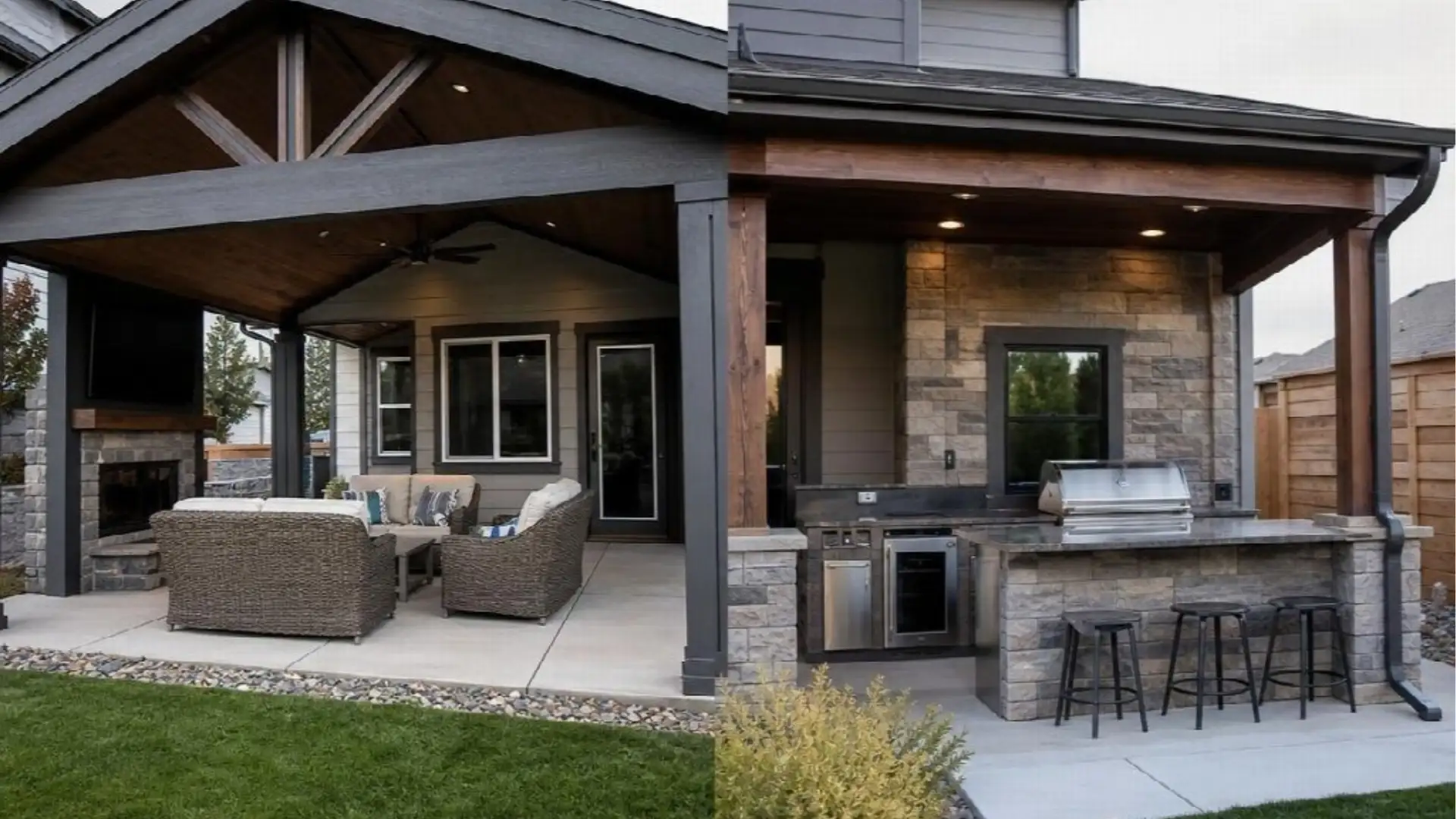
People often treat landscaping like decoration, but healthy outdoor spaces directly protect property value. Poor drainage, overgrown roots, and dead trees can damage foundations, sidewalks, plumbing lines, and roofing systems without much warning.
Recent drought conditions across parts of the United States have also forced homeowners to rethink traditional lawns. Many are replacing thirsty grass with native plants that survive extreme temperatures with less maintenance. It saves water, reduces utility costs, and lowers stress during dry seasons. Strategic landscaping also improves energy efficiency. Trees placed near windows can reduce cooling costs during brutal summer heat. A well-maintained yard may look attractive to neighbors, but it also acts like a protective shield around the property itself.
Maintenance Records Matter More Than Owners Realize
Buyers today want proof, not promises. In competitive housing markets, maintenance records can influence negotiations almost as much as kitchen upgrades or square footage. A detailed file showing HVAC servicing, roof inspections, plumbing repairs, and appliance replacements creates confidence for future buyers.
This trend became especially noticeable after the pandemic housing boom cooled and buyers started becoming more cautious again. People paying premium prices want reassurance that hidden problems are not waiting behind expensive wallpaper. Smart homeowners keep digital folders with receipts, inspection reports, warranties, and contractor details. Organized documentation can speed up sales, support insurance claims, and prevent disputes later. It may feel tedious while filing papers on a Saturday afternoon, but future buyers tend to trust evidence more than enthusiastic sales language.
Consistency Beats Perfection Every Time
The biggest maintenance mistake is assuming every project requires a dramatic renovation. Most successful property preservation comes from consistent habits repeated over many years. Owners who inspect roofs annually, clean gutters regularly, and service appliances on schedule usually avoid catastrophic surprises.
There is also a psychological benefit to steady maintenance. Homes feel calmer when owners are not constantly reacting to emergencies. Contractors become easier to schedule because repairs happen during normal conditions instead of after disasters. Insurance companies increasingly reward proactive behavior with better rates and smoother claims processes. In an era filled with economic uncertainty and rising construction costs, consistency has become one of the smartest financial strategies a homeowner can practice. The glamorous part of ownership may be the architecture and décor, but the real secret is discipline quietly working in the background every single season.