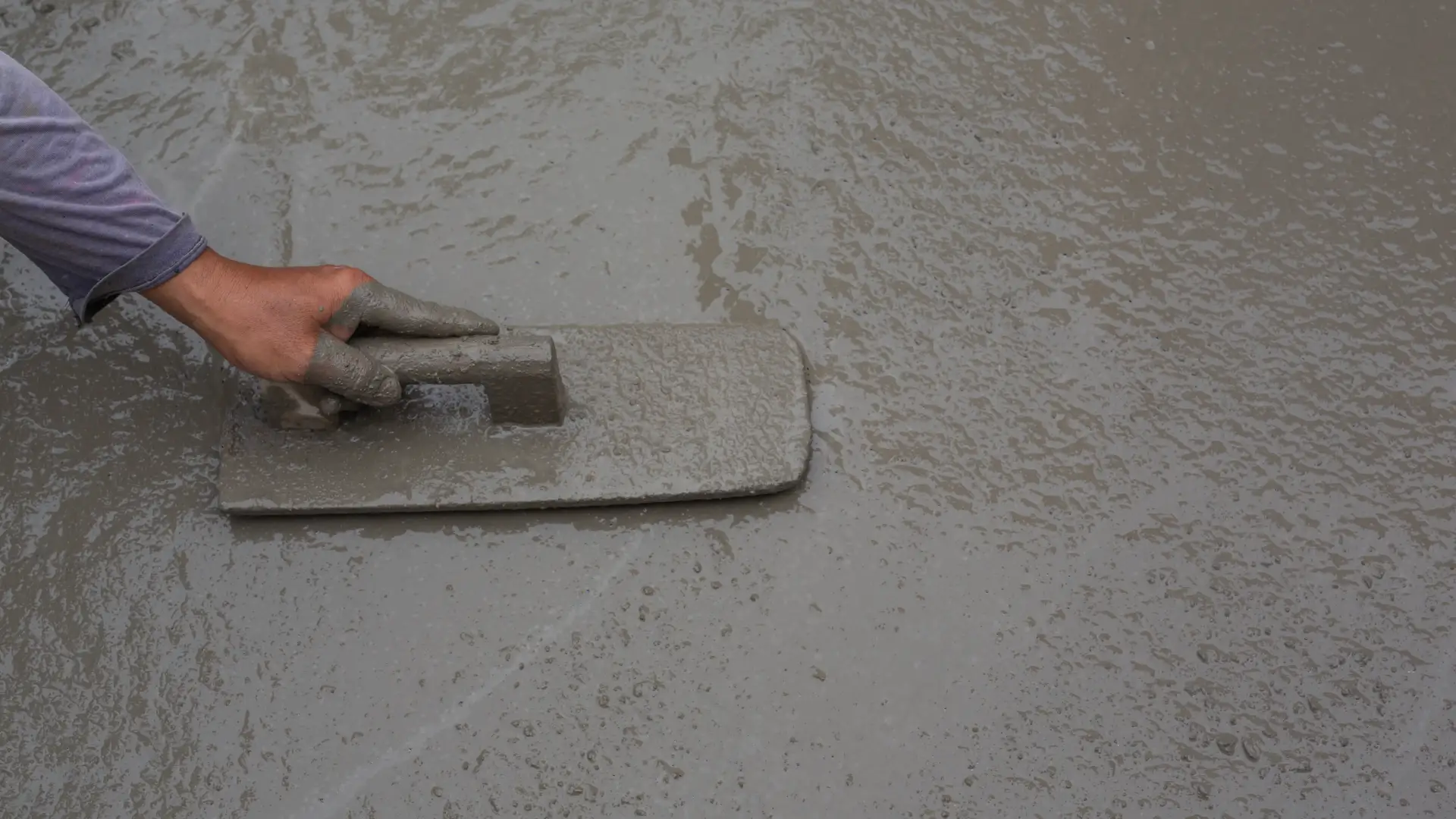
A concrete coating that performs beautifully in a temperate climate can fail badly in Texas. The same product, applied by the same installer, with the same surface preparation, can yellow within months, lose adhesion within a year, or develop hot tire pickup that pulls the coating off in patches the first time a vehicle sits on it after a long drive.
The cause is not bad workmanship. It is climate mismatch. Texas conditions, particularly in the Austin and Dallas metro areas, impose specific demands on any coated concrete surface. Coatings that ignore those demands underperform. Coatings designed for them last decades.
Before signing for any concrete coating in Austin, TX project, understanding the climate factors that should shape product selection is the difference between buying a long-term solution and paying twice for a short-term one. Here is what matters most about Texas conditions and how the right coating accommodates them.
UV Exposure That Yellows the Wrong Products
Texas sees among the highest UV exposure levels in the United States. Direct sun on a garage floor with the door open, on a patio, or on a pool deck delivers radiation that breaks down many coating chemistries surprisingly quickly.
The most visible failure mode is yellowing. Standard epoxy coatings, particularly clear topcoats over decorative flake systems, can turn from clear or white to a noticeable amber within a year of installation. The chemistry behind this is the breakdown of the aromatic chemical structures in cheaper epoxies under UV light. The structural integrity of the coating may still be intact. The appearance is ruined.
The solution is using UV-stable topcoats. Polyaspartic and polyurea formulations are inherently UV-resistant and do not yellow under normal Texas exposure. They are more expensive than basic epoxy products, but for any exterior or partially exterior application, the upcharge is essentially required.
Heat That Causes Hot Tire Pickup
On a hot Texas afternoon, asphalt softens. So does the rubber on tires. When a vehicle drives across hot pavement and parks on a coated garage floor, the warm rubber can adhere to the coating surface. When the vehicle eventually moves, the rubber pulls coating off with it. The result, called hot tire pickup, is one of the most common complaints in Texas garage flooring.
This is not a defect in well-formulated coatings. It is a failure of poorly formulated ones. Quality polyaspartic and polyurea coatings reach a hardness that resists hot tire pickup. Quality epoxy coatings designed for residential garages do as well, but only if the surface preparation was correct and the cure time was respected.
Cutting corners on either the product selection or the installation process produces coatings that fail this test specifically. Texas climate makes the consequence visible faster and more dramatically than milder climates.
Humidity That Affects Cure Behavior
Concrete coatings cure through chemical reactions that are sensitive to ambient humidity. In high humidity, certain chemistries can develop blush, an opaque haze on the surface caused by moisture interfering with the curing process. In very low humidity, others can cure too quickly, leading to brittle finished films that crack under thermal stress.
Texas humidity varies dramatically by location and season. Austin sees high humidity in summer, dropping significantly in winter. Dallas sees more moderate humidity overall but with sharp variation during the rainy seasons. A contractor who is not paying attention to the humidity on the day of installation, and who is not selecting products formulated for the conditions, sets the customer up for problems.
Professional installers in Texas adjust their product selection and timing to the weather. The right coating applied on the wrong day still fails.
Moisture Coming Through the Slab
Texas soil conditions and water table levels create a separate moisture issue that no surface preparation can fully address. Many slabs continuously transmit small amounts of moisture vapor from the ground through the concrete to the surface. Coatings applied without addressing this can blister, delaminate, or trap moisture in ways that lead to long-term failure.
The fix is a moisture vapor test before installation and, if results indicate elevated moisture transmission, the use of a vapor-blocking primer or full moisture mitigation system before the coating goes down. This step is often skipped on residential projects to keep costs low, but in Texas it is one of the most consequential decisions in the entire process.
Thermal Cycling That Stresses Adhesion
Texas concrete heats and cools dramatically over a 24-hour cycle. Garage floor surface temperatures can swing 30 or 40 degrees Fahrenheit within hours. The concrete underneath the coating expands and contracts with these temperature changes. The coating has to flex with it. According to recent industry analysis of concrete floor coatings, the global market for these products has grown to over $1.4 billion in 2023, driven significantly by demand in regions where thermal extremes and durability requirements have made cheaper coating chemistries inadequate. Brittle coatings crack under thermal cycling. Flexible ones bend slightly and recover.
Polyurea coatings are inherently flexible and handle thermal cycling well. Polyaspartic coatings are slightly less flexible but still adequate. Standard epoxy coatings, particularly heavily filled or low-quality formulations, can crack under repeated cycling and fail at expansion joints or thermal seams in the slab.
Choosing the Right System for Texas
The combination of UV exposure, heat, humidity variation, moisture transmission, and thermal cycling points to a specific category of coating systems that perform reliably in Texas:
- •A vapor-blocking primer if moisture vapor testing indicates the need.
- •A base coat of either polyaspartic, polyurea, or high-grade epoxy with verified UV resistance.
- •Decorative flake or quartz aggregate if texture and slip resistance are desired.
- •A polyaspartic or polyurea topcoat for UV stability and abrasion resistance.
Systems built this way perform for 15 to 20 years in residential applications and longer in commercial settings. Systems that skip elements to reduce price often fail within 5 years, sometimes within months, and the cost of removing failed coating and starting over is typically much greater than the savings from the cheaper initial install.
The Bottom Line
Texas concrete coatings work or fail based on whether they were designed for Texas. The climate factors are predictable, the right chemistry is known, and the installation practices that produce lasting results are well established. Choosing a contractor who understands these factors and uses products that match them is the most important decision in any coating project.
The coating that looked beautiful in the showroom photos was usually photographed in Ohio. The coating that will still look beautiful five years from now on your driveway in Austin is the one that was specified for Texas conditions from the beginning.