Homeowners spend thousands upgrading things they barely interact with while ignoring the problems quietly irritating them every single day. Fancy tile means very little once the kitchen workflow feels chaotic every morning. A beautiful bathroom loses its charm fast once storage barely functions, and lighting makes getting ready feel annoying before the day even starts. Functional home improvements are becoming a much bigger conversation because people are tired of houses looking polished while everyday routines still feel frustrating.
You can especially see this focus in cities like Dayton, where many homes carry a mix of older layouts, changing seasonal conditions, and years of layered renovations that were not always designed around modern routines. Homeowners are paying closer attention to how the house actually behaves during ordinary life now.
Small Plumbing Problems Rarely Stay Small
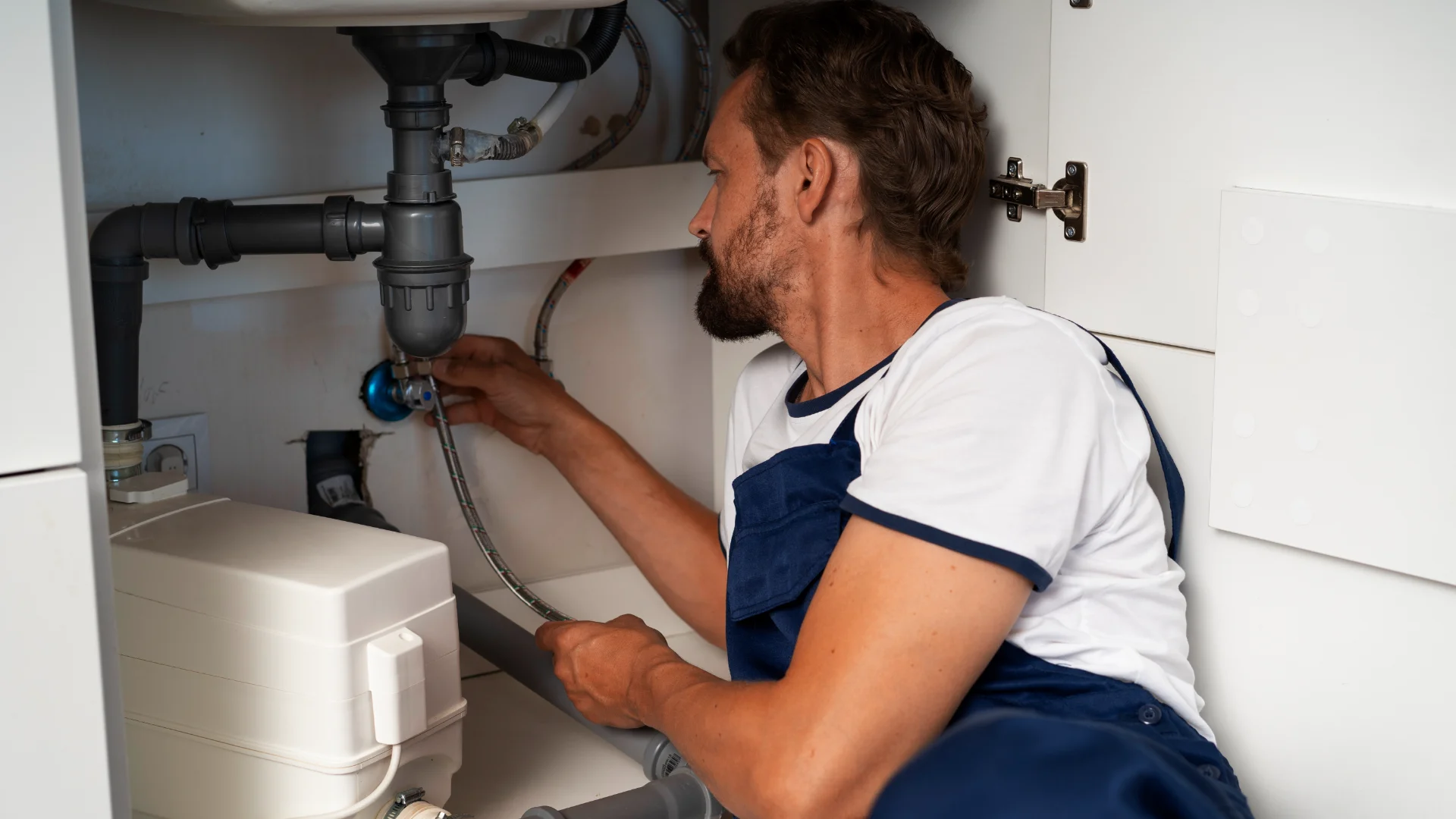
One dripping pipe can start a chain reaction that homeowners do not notice until the damage suddenly becomes expensive. Water stains appear slowly. Cabinets absorb moisture underneath the sink. Flooring softens near hidden leaks. Pressure issues start affecting multiple fixtures at once. Plumbing problems are sneaky because the house often keeps functioning “well enough” while damage builds quietly underneath everything.
Most homeowners learned this lesson the hard way after delaying small repairs for too long. What started as an annoying leak eventually affected walls, flooring, storage spaces, and even daily routines throughout the house. Many people now consult a Dayton plumber much earlier during home improvement planning because plumbing affects far more than bathrooms alone. Kitchen efficiency, laundry use, outdoor drainage, water pressure, appliance performance, and long-term maintenance costs all connect back to how well the plumbing system actually functions.
Better Insulation Changes the Feeling of the Entire House
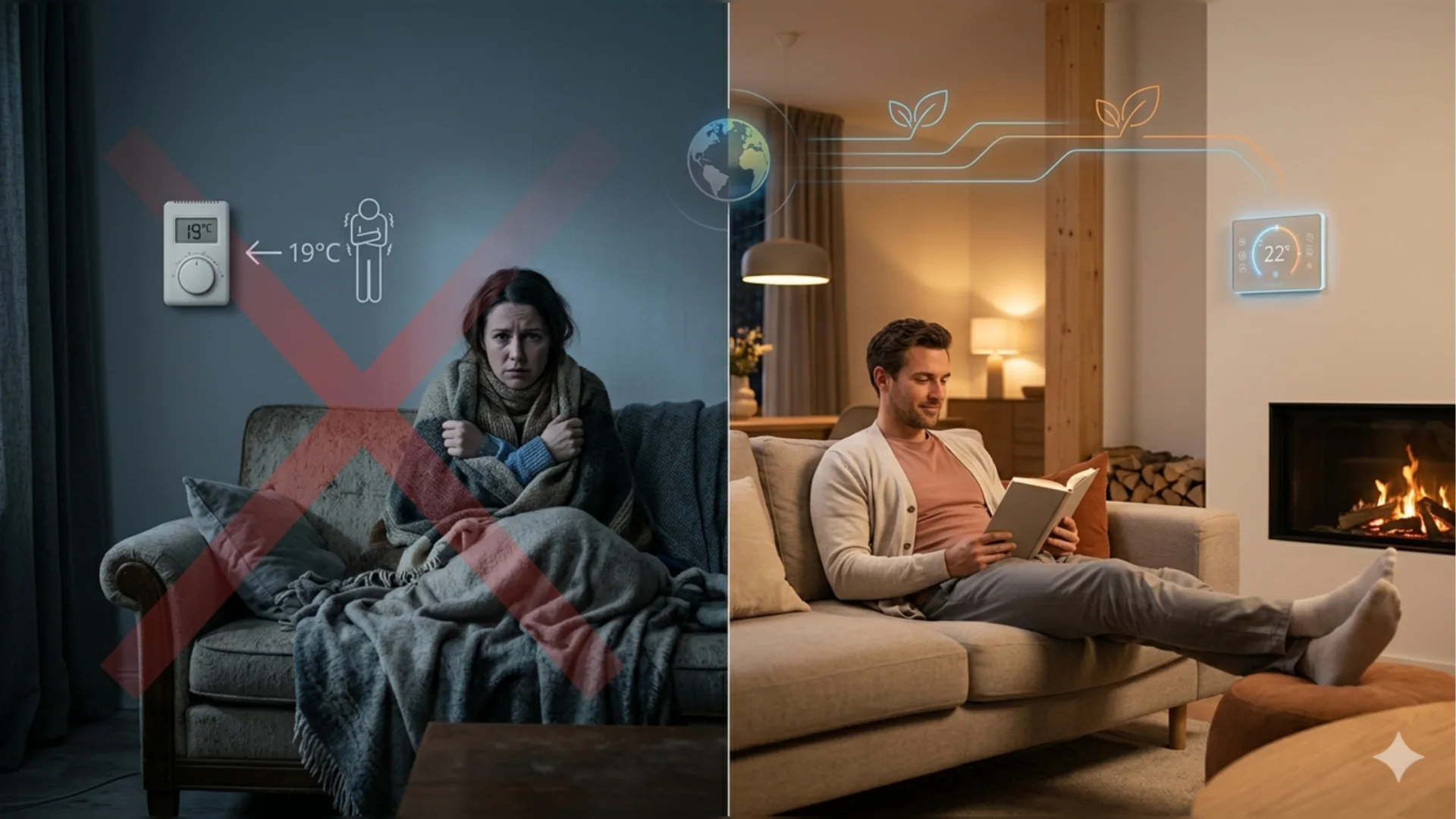
Insulation might be one of the least exciting home improvements people can spend money on, though homeowners notice the difference almost immediately once it is done properly. Rooms stop feeling randomly freezing in winter and suffocating during summer afternoons. Noise softens. Drafts disappear. Certain parts of the house suddenly become usable year-round instead of being avoided during extreme temperatures.
People are increasingly prioritizing invisible comfort upgrades because daily physical comfort affects mood more than decorative details sometimes do. A house that constantly feels too hot, too cold, noisy, or drafty slowly wears people down mentally over time. Functional improvements behind the walls matter because they affect every room simultaneously instead of only creating visual impact in one space.
A Bad Kitchen Layout Will Annoy You
People romanticize kitchen design constantly until they actually cook in a badly planned kitchen for six months straight. One awkward appliance placement can make the room feel exhausting. Tiny prep areas create chaos during busy mornings. Poor storage placement turns cooking into constant, unnecessary movement back and forth across the room.
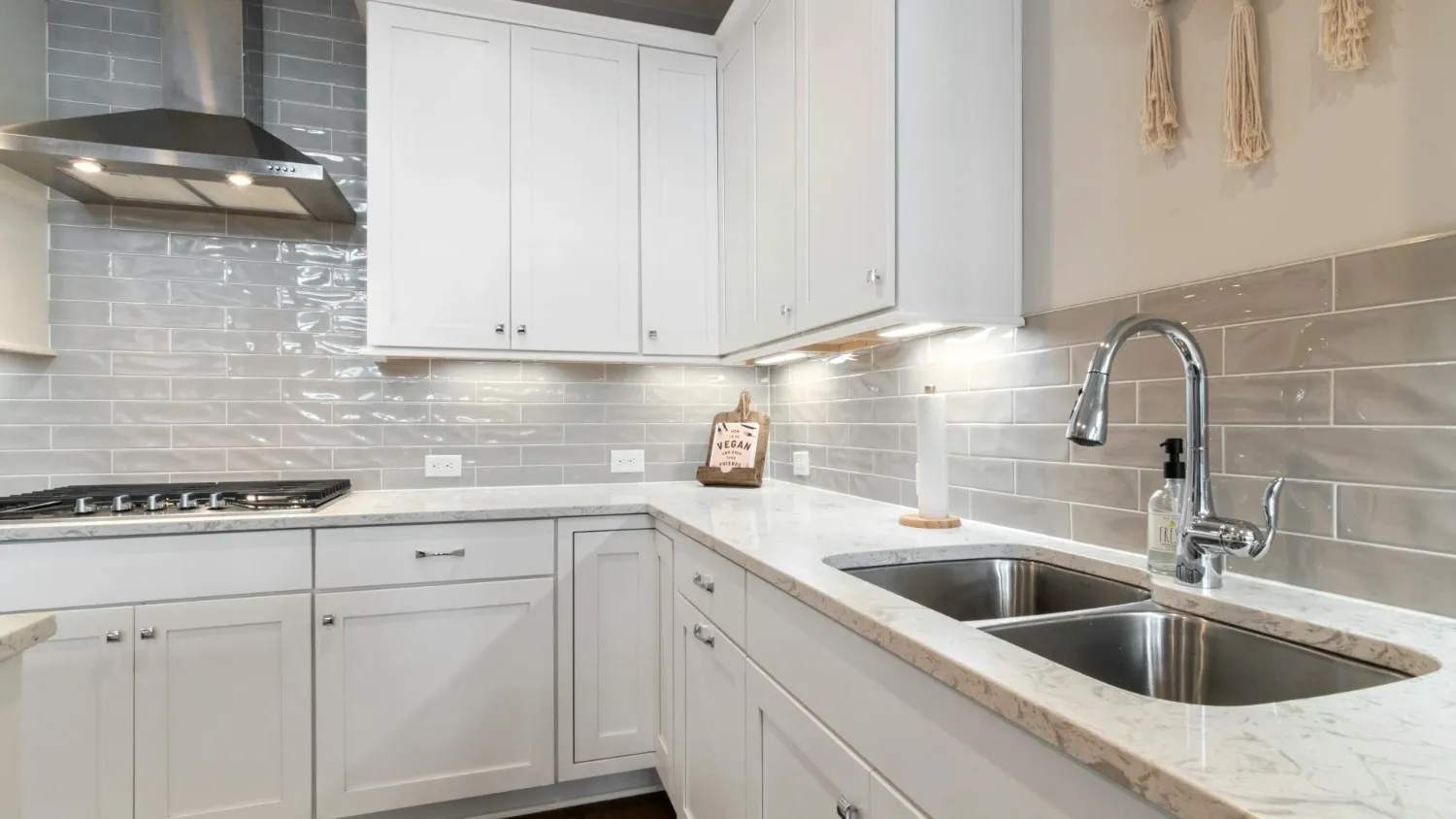
Functional kitchen upgrades became much more practical recently because homeowners are prioritizing ease over showroom aesthetics. A kitchen does not need ten decorative features if grabbing a pan already feels irritating. People increasingly care about movement patterns now. How quickly can groceries get unpacked? Is there enough counter space where cooking actually happens? Can multiple people move through the kitchen without creating traffic? Efficient kitchen layouts reduce stress because routines start flowing naturally instead of constantly fighting against the room itself.
Functional Bathrooms Change Mornings Completely
A badly functioning bathroom can ruin the mood before someone even leaves the house. Poor lighting, cramped storage, awkward sink placement, weak ventilation, and limited counter space slowly create frustration that people repeat every single morning without fully realizing how much the room affects them mentally.
Modern bathroom upgrades are becoming less focused on dramatic luxury features and much more focused on everyday usability. Better drawer organization, practical lighting, easier cleaning surfaces, and layouts allowing actual movement matter far more during daily routines than decorative trends homeowners barely notice afterward. A functional bathroom feels calmer because people stop battling the space while getting ready.
Laundry Rooms Are Finally Getting Respected
Laundry rooms used to feel like forgotten corners people tolerated rather than actual functional spaces. Tiny folding surfaces, poor lighting, awkward machine placement, and zero storage somehow became normal, even though the room gets used constantly every week.
Now, homeowners are treating laundry rooms much more seriously because repetitive frustration adds up fast inside heavily used spaces. Better shelving, easier sorting setups, practical counter space, sink placement, and smoother movement flow dramatically change how stressful the chore feels overall. A functional laundry room saves time, though more importantly, it removes one more daily irritation from an already busy schedule.
Outdoor Spaces Are Becoming Actual Living Space
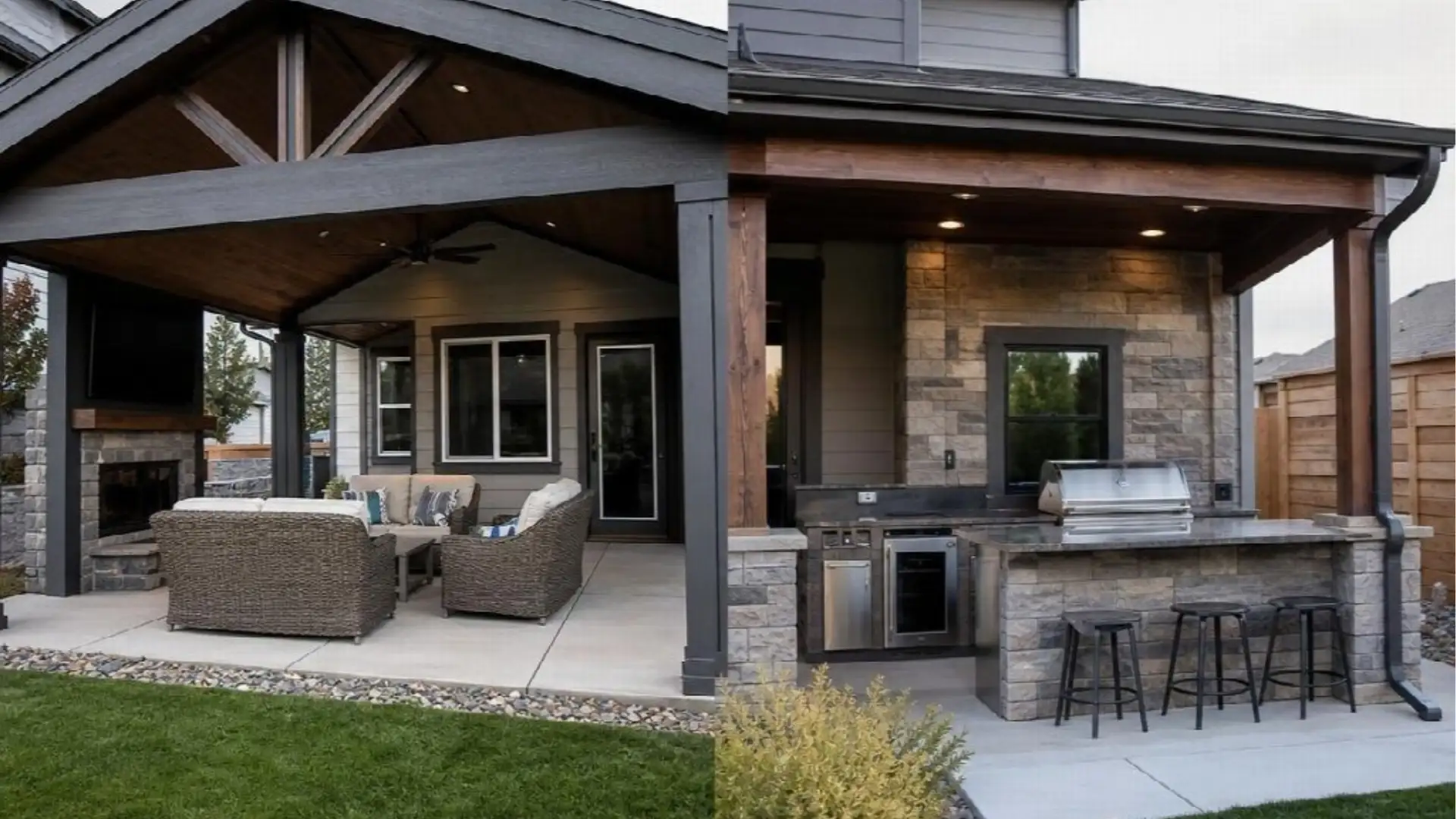
Backyards used to function almost like “bonus areas” people visited occasionally during perfect weather. Now, homeowners are treating outdoor spaces like fully active parts of the house because daily life increasingly spills outside whenever the setup actually feels comfortable.
Covered patios, shaded seating areas, outdoor dining setups, and flexible backyard layouts completely change how the home gets used week after week. Families eat outside more often. People answer work emails outdoors. Kids spread out naturally instead of constantly crowding the same indoor rooms. Functional outdoor spaces create breathing room for the entire household because they expand everyday living without requiring massive interior additions.
Aging-in-Place Design Is Quietly Changing Renovations
A lot of homeowners are renovating with a completely different mindset now. Instead of asking, “Will this look modern?” many people are asking, “Will this still feel easy to use ten or fifteen years from now?” Aging-in-place improvements are influencing layouts much earlier than before because homeowners increasingly want houses that adapt to life instead of becoming physically frustrating later.
Wider walkways, easier bathroom access, softer lighting transitions, safer flooring, and smarter storage placement all improve daily comfort immediately, even for younger households. Functional design often works better because it removes small physical struggles people deal with every day without noticing.
Preventive Maintenance Is Becoming a Lifestyle Habit
Homeowners are getting smarter about maintenance because waiting until something completely breaks often creates the most stressful and expensive version of the problem possible. Small warning signs matter more now. Weak airflow. Tiny leaks. Strange noises. Cracked seals. Drafty rooms. People increasingly want to catch issues before the house forces an emergency later.
Preventive maintenance became part of long-term home planning because homeowners are realizing functional comfort depends heavily on consistency behind the walls. Roof inspections, plumbing checks, insulation upgrades, electrical reviews, and seasonal upkeep all help the house function more predictably over time.
Functional home improvements matter because the smallest daily frustrations often affect comfort more heavily than dramatic design flaws people notice visually. Plumbing reliability, practical layouts, insulation, organization, lighting, and workflow all impact how the house feels during ordinary life every single day.