
Essential Fire Safety Tips Every Homeowner Should Always Know
Fire safety is one of the most important aspects of responsible homeownership. A single spark, unattended stove, or faulty wire can turn into a life-threatening situation within seconds. That’s why it’s essential for every homeowner to understand and apply practical fire prevention methods. In this article, we’ll explore essential fire safety tips—from prevention strategies to emergency preparedness. For more useful guides, explore our Cleaning section. For expert advice, check out our Diy guides.
1. Install and Maintain Smoke Alarms
Your first line of defense against fire is a properly functioning smoke alarm. A functioning unit gives you valuable seconds to escape safely: For expert advice, check out our Gardening guides.
- Install smoke alarms in every bedroom, hallway, and on every floor.
- Test alarms monthly to ensure they’re working correctly.
- Replace batteries twice a year, and replace the entire unit every 10 years.
2. Keep Fire Extinguishers Accessible
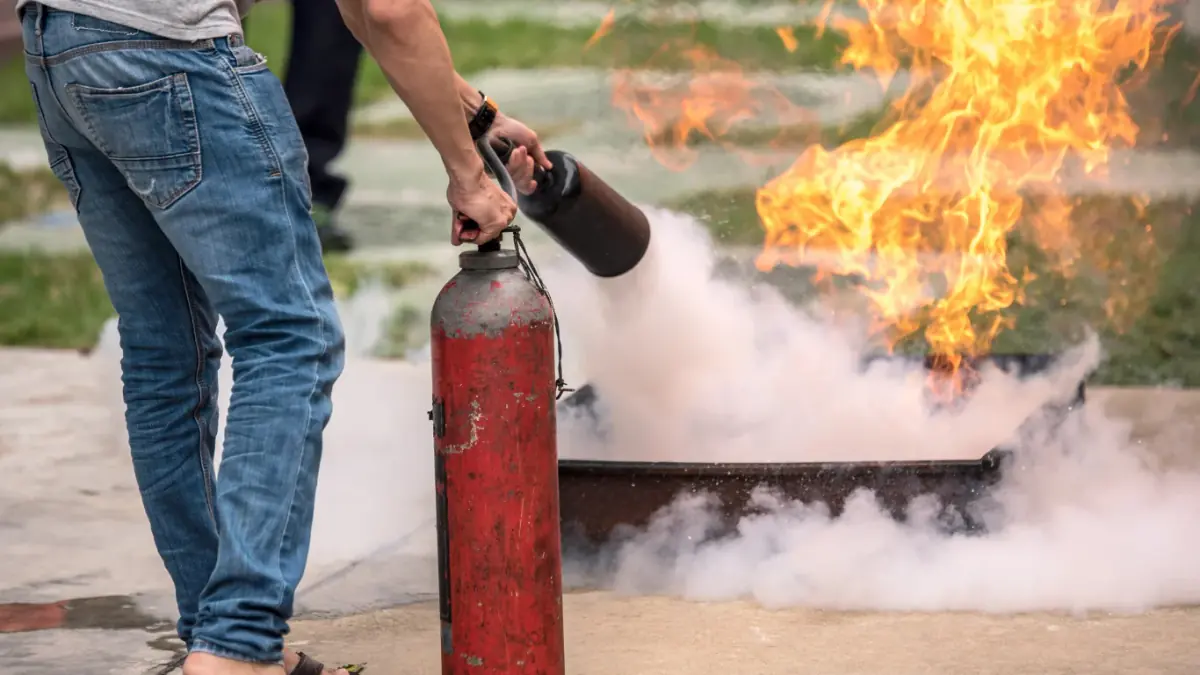
Every homeowner should have at least one multi-purpose fire extinguisher in key areas like the kitchen, garage, or near fireplaces. Remember the PASS technique:
- Pull the pin.
- Aim low at the base of the fire.
- Squeeze the lever slowly.
- Sweep from side to side.
3. Practice Safe Cooking Habits
Cooking-related fires are the leading cause of home fires. Protect your kitchen by:
- Never leaving food unattended while cooking.
- Turning pot handles inward to prevent accidental spills.
- If a grease fire starts, never use water—cover the flames with a metal lid.
4. Inspect Electrical Systems Regularly
Electrical malfunctions are hidden hazards. Stay safe by avoiding overloaded outlets, replacing frayed wires immediately, and using surge protectors for expensive electronics.
5. Be Careful With Heating Equipment
Keep space heaters at least three feet away from anything flammable and ensure chimneys are cleaned annually to prevent soot buildup.
6. Store Flammable Materials Safely
Store items like gasoline, paint, or cleaning supplies in cool, dry, and ventilated areas. Dispose of oily rags properly to prevent spontaneous combustion.
7. Create and Practice a Fire Escape Plan
Identify two exits from every room and designate a safe meeting point outside. Conduct fire drills at least twice a year so everyone knows what to do when seconds count.
8. Maintain Your Dryer and Chimney
Lint buildup in dryers is an often-overlooked hazard. Clean lint traps after every laundry cycle and inspect exhaust ducts regularly.
9. Be Cautious With Candles
Always place candles on stable, heat-resistant surfaces and never leave them unattended. Battery-operated LED candles are a much safer alternative for ambiance.
10. Stay Educated and Aware
Knowledge is your most powerful tool. Teach your kids about emergency numbers and keep a visible list of emergency contacts in your home.
Conclusion
Being a homeowner means taking proactive steps to protect your loved ones. Regular maintenance, proper equipment, and family preparedness are key to keeping your home safe. Remember—fire prevention starts with awareness and action.
FAQs
How often should I check smoke detectors?
Test smoke alarms monthly and replace batteries every six months. Replace the entire unit every 10 years.
What’s the most common cause of house fires?
Cooking accidents, electrical malfunctions, and heating equipment are the top causes of home fires.
Where should I place fire extinguishers in my home?
Place them in the kitchen, garage, and near fireplaces—anywhere fire risk is higher.
How can I teach fire safety to children?
Use simple fire drills, teach “stop, drop, and roll,” and show them safe exits and meeting points.