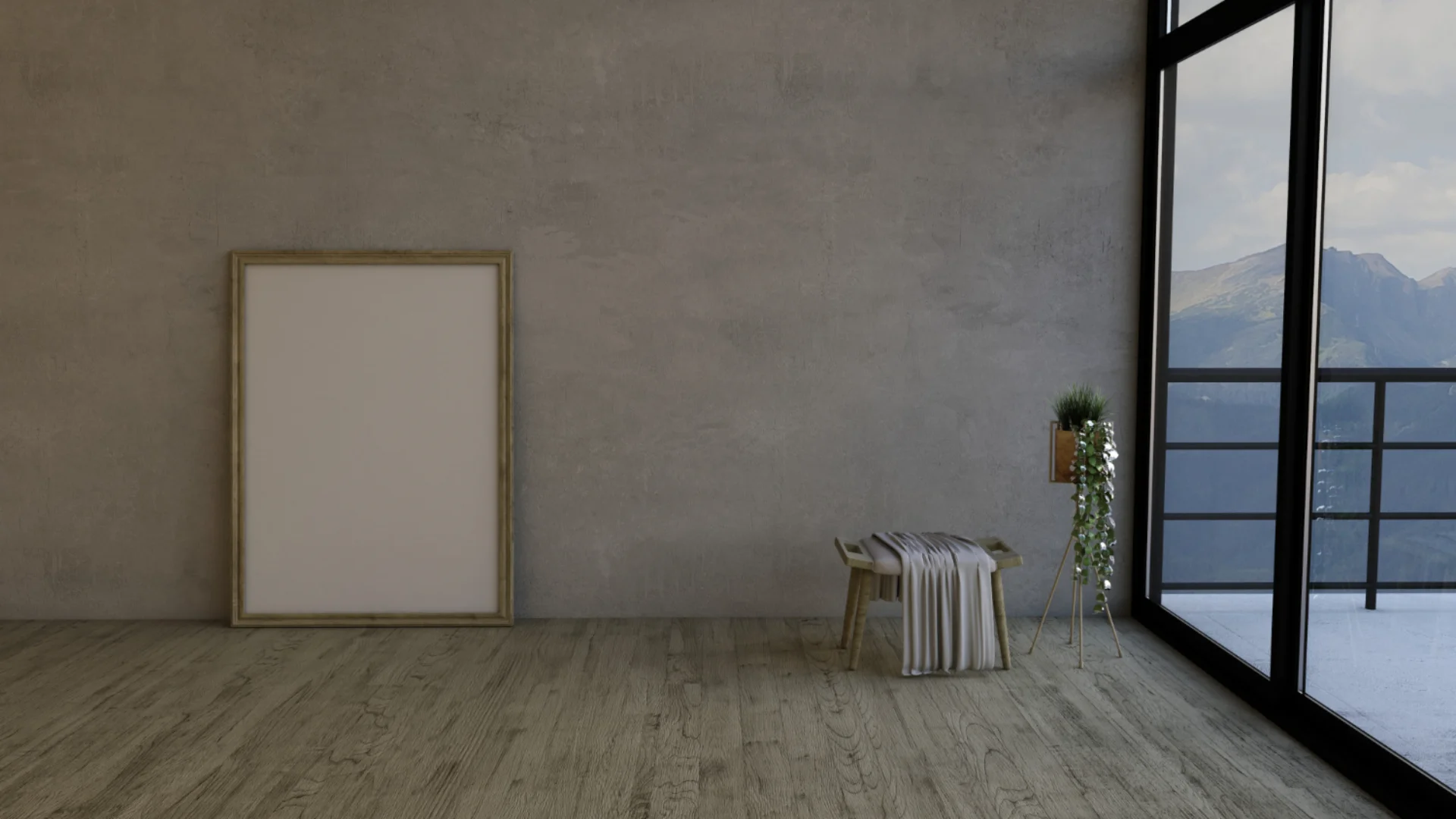
Bare walls in a home are rarely accidental. They tell a story — sometimes of a person in mid-transition, still figuring out where to put things, or someone who moved in months ago and never committed to making a space feel permanent. The way people treat their walls reflects something deeper about how they relate to the spaces they inhabit.
Interior designers have long understood that vertical surfaces are among the most underused real estate in a home. Floor space gets obsessed over. Storage gets optimized. But walls often become an afterthought — painted once and left untouched for years. Yet walls are the first thing the eye catches when entering a room, and they do most of the work in communicating personality, warmth, and intention.
The Wall as a Decision You Keep Avoiding
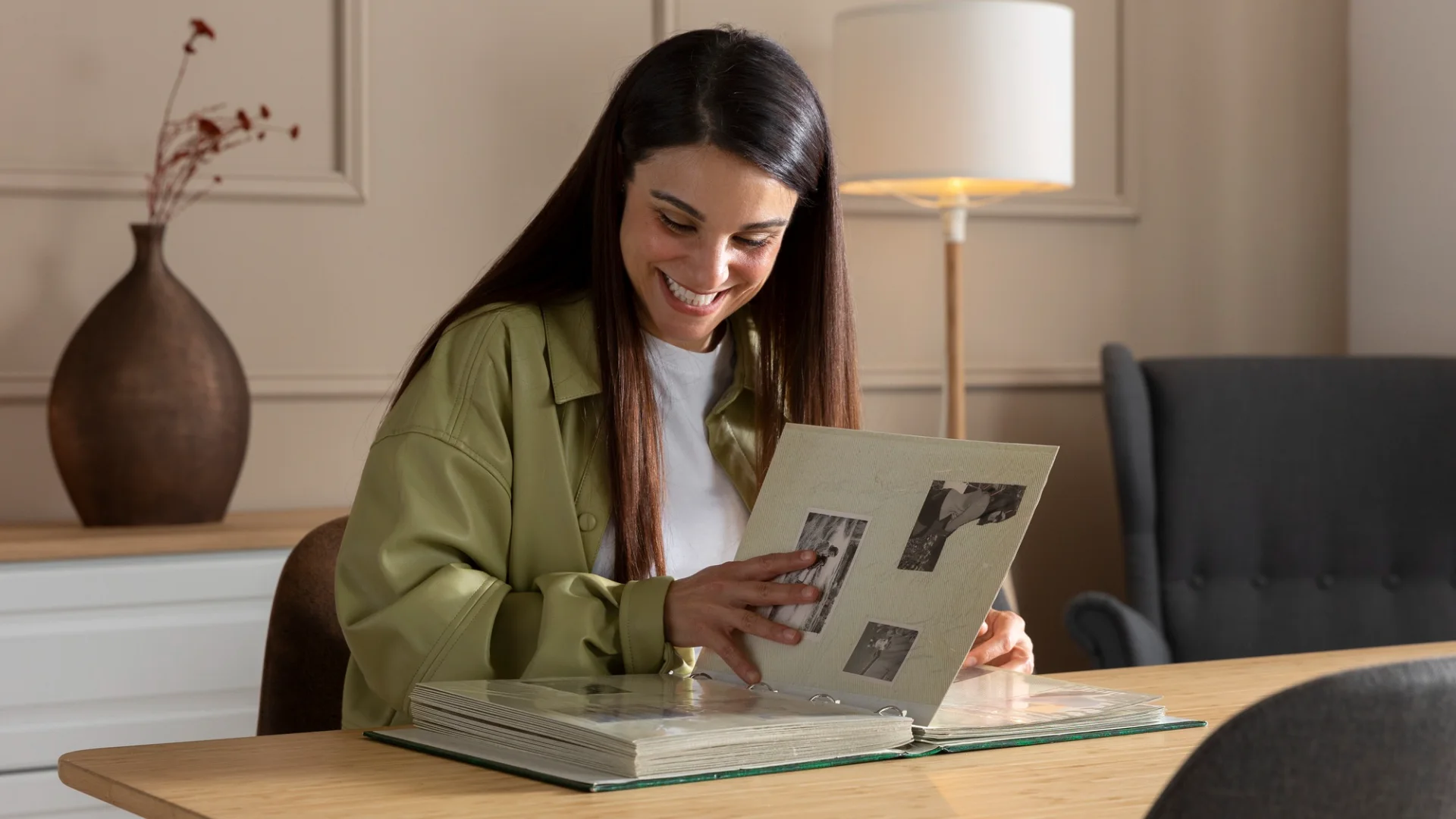
Most people know what they want to put on their walls. The framed print was bought at a market. The family photos are sitting in a drawer. The art piece was picked up on a trip.
What stops them is rarely indecision about content — it's indecision about commitment.
Driving nails into walls feels permanent. It creates a small, visible consequence that requires effort to undo. That psychological weight is enough to leave meaningful objects boxed up or leaning against a baseboard for months. The moment homeowners discover that hanging pictures without nails produces clean, secure results, the hesitation dissolves. Adhesive-based solutions, tension systems, and rail-mounting options have changed the calculus entirely. The barrier was never an aesthetic preference — it was the fear of making a mark that couldn't easily be undone.
Renters and the Permission Problem
For renters, the issue is more concrete. Lease agreements frequently include clauses about wall damage and patching costs before moving fast. This creates a practical barrier that affects how people psychologically settle into a rented space.
Research in environmental psychology consistently shows that people who personalize their living environments report higher levels of comfort and well-being. A rented apartment left sparse to protect the deposit is a space its occupant never fully inhabits. When people feel at home, they cook more, rest more fully, and engage more with the people they share the space with. The physical environment shapes behavior in ways that are easy to underestimate.
Gallery Walls as a Design Strategy
A gallery wall transforms a single surface into something layered and intentional, mimicking the effect of collected objects over time even when assembled in an afternoon. Its strategic advantage is flexibility — it doesn't require one focal piece strong enough to carry the room. A mix of scales, frames, and images creates visual rhythm, and the arrangement can evolve as space does.
Planning begins on the floor before anything touches the wall. Lay the frames out in the intended arrangement, photograph it, and adjust until the balance feels right. Use paper templates to mark positions before committing to placement.
The Finishing Details That Change Everything
Leveling matters more than most people expect. A slightly tilted frame reads as careless even in an otherwise deliberate arrangement. A small spirit level eliminates the guesswork entirely.
Lighting is the other variable that gets overlooked. A gallery wall in a dark corner loses its impact. Directional lighting — whether from an overhead fixture or a clip-on picture light — adds depth and draws the eye where it belongs.
Gap consistency also carries visual weight. Spacing between three and five inches of reads as considered; inconsistent gaps read as rushed.
Making the Space Yours
Walls that reflect the people living within them don't happen by accident. They result from small decisions made with intention — choosing what to display, committing to a placement, and caring enough about the environment to follow through. That effort, modest as it is, is what separates a house from a home.