Most homeowners think of tiling as a simple cosmetic job. Pick a tile you like, stick it on the wall or floor, and move on. But in Auckland, that kind of thinking has caused real and expensive problems. The city’s climate, its building history, and its strict compliance requirements all make tiling here a more involved job than it would be almost anywhere else in New Zealand.
This article breaks down what makes Auckland different, what the data actually shows about moisture failures in local homes, and what to look for when hiring someone to tile your bathroom, kitchen, or outdoor space.
Auckland’s Climate Creates Unique Challenges for Tiling
Auckland sits in a humid subtropical zone. According to iDry Restorations, the city receives roughly 1,200 millimetres of rainfall per year across around 137 rain days, and relative humidity regularly sits between 75% and 85%. That combination of persistent rain and ambient moisture creates conditions that are genuinely hard on tiled surfaces.
| 75–85% | Auckland’s average relative humidity, significantly higher than inland cities like Christchurch or Queenstown. This ambient moisture affects how adhesives cure and how grout performs long-term. |
The practical effect on tiling is significant. In high-humidity conditions, tile adhesive and grout dry more slowly than they appear to. A surface can look set on the outside while still being wet beneath. When a tradesperson rushes the job in these conditions, tiles end up with a weakened bond and can start sounding hollow within a few years. Grout fares even worse. Standard cement-based grout is porous, and in a bathroom with poor ventilation, mould can colonise the grout lines within 18 months. That is not a cleaning problem. It is a material selection problem, and it starts with the person who did the tiling.
The Weight of Auckland’s Leaky Building History
To understand why moisture management is taken so seriously here, it helps to know the background. Between the late 1980s and early 2000s, New Zealand went through what became known as the Leaky Homes Crisis. Research published by SMT Research puts the total remediation cost at over NZ$47 billion, with single-family home repair bills reaching as high as $110,000 per property. An estimated 42,000 New Zealand homes were affected, and Auckland bore the largest share of the damage.
| NZ$47 billion+ | The estimated total cost of remediation from New Zealand’s Leaky Homes Crisis, with Auckland properties most heavily affected. |
That history has not faded. Reporting from Scoop in early 2026 notes that building inspectors are still seeing high failure rates at first final inspections for new homes across the region, with poor waterproofing identified as a recurring issue. LIM reports on properties with past moisture damage continue to affect buyer confidence and lending decisions, even after full remediation. Tiling that cuts corners on waterproofing does not just look bad later. It can affect the resale value of your home.
What the Building Code Actually Requires
New Zealand’s Building Code is not optional guidance. As Building Performance (MBIE) makes clear, all building work must comply with the Code whether or not a consent is required. For tiled wet areas specifically, the rules are detailed.
Under Building Code clause B2 Durability, waterproofing systems beneath wet area tiling must have a minimum durability of 15 years. Tiles used in wet areas must have a water absorbency rating of no more than 6%. All shower floor and wall finishes must be fully impervious. Installing a new tiled shower requires a building consent, and Auckland Council fees for a bathroom renovation typically land between $2,500 and $4,500 depending on the declared project value.
The inspection itself happens before the tiles go on, not after. The council inspector checks the membrane application and the floor build-up while everything is still visible. Once tiles are laid over substandard waterproofing, there is nothing to inspect and nothing to fix without ripping the whole job out.
This is why choosing an experienced tiler who understands PS3 certification and the compliance process matters more in Auckland than it might elsewhere. A PS3 producer statement is a written sign-off from a qualified professional confirming that the waterproofing installation meets the required standard. Without it, your consent process becomes harder, and your protection if something goes wrong is limited.
Tile Selection in Auckland Is Not the Same as in Other Cities
Walk into a tile showroom and you will quickly find options that work beautifully in a dry climate and perform poorly in Auckland’s conditions. Natural stone is a common example. Marble and travertine look exceptional, but they require sealing every 12 to 24 months in an Auckland bathroom, and acidic cleaning products or even some shampoos can etch the surface permanently. For most homeowners, porcelain that replicates the appearance of stone is a more practical and durable answer.
Porcelain has very low porosity, which makes it well suited to humid environments. Large-format porcelain tiles, ranging from 600x600mm up to 1200x2400mm, have become increasingly popular in Auckland renovations partly because fewer grout lines mean fewer entry points for moisture. For grout itself, the choice between cement-based and epoxy grout matters in this climate. Epoxy grout is non-porous, resists mould, and meets Building Code E3/AS1 requirements for wet areas. Cement grout is cheaper and easier to work with, but in a poorly ventilated Auckland bathroom it can start showing mould within a couple of years.
Outdoor Tiling Requires Even More Planning Here
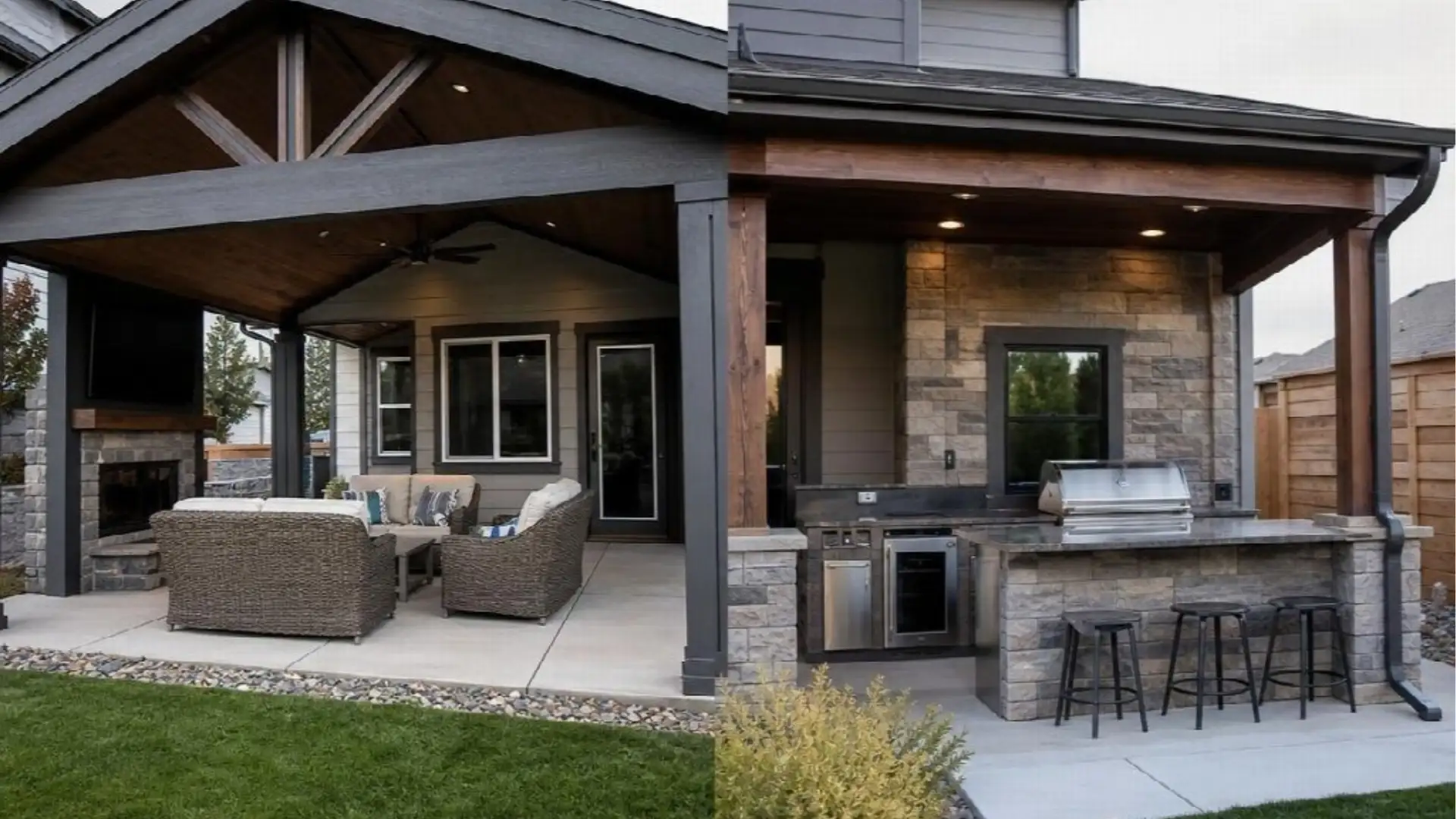
Auckland homeowners increasingly want tiled outdoor areas, from pool surrounds to covered patios and decks. The city’s rainfall makes drainage design critical for these projects. Water that sits beneath outdoor tiles, rather than draining away, causes the tiles to lift and crack as the substrate shifts. Falls need to be calculated properly, drainage channels positioned correctly, and the waterproofing membrane needs to handle the volume of water an Auckland wet season actually delivers.
The freeze-thaw cycles that damage outdoor tiling in colder parts of the world are not a factor in Auckland, but UV exposure, heavy rain, and the growth of moss and algae on grout lines all accelerate wear. Epoxy grout in outdoor areas significantly reduces ongoing maintenance, and annual inspection of grout lines in high-exposure spots is worth doing before small issues become big ones.
How to Hire the Right Person for the Job
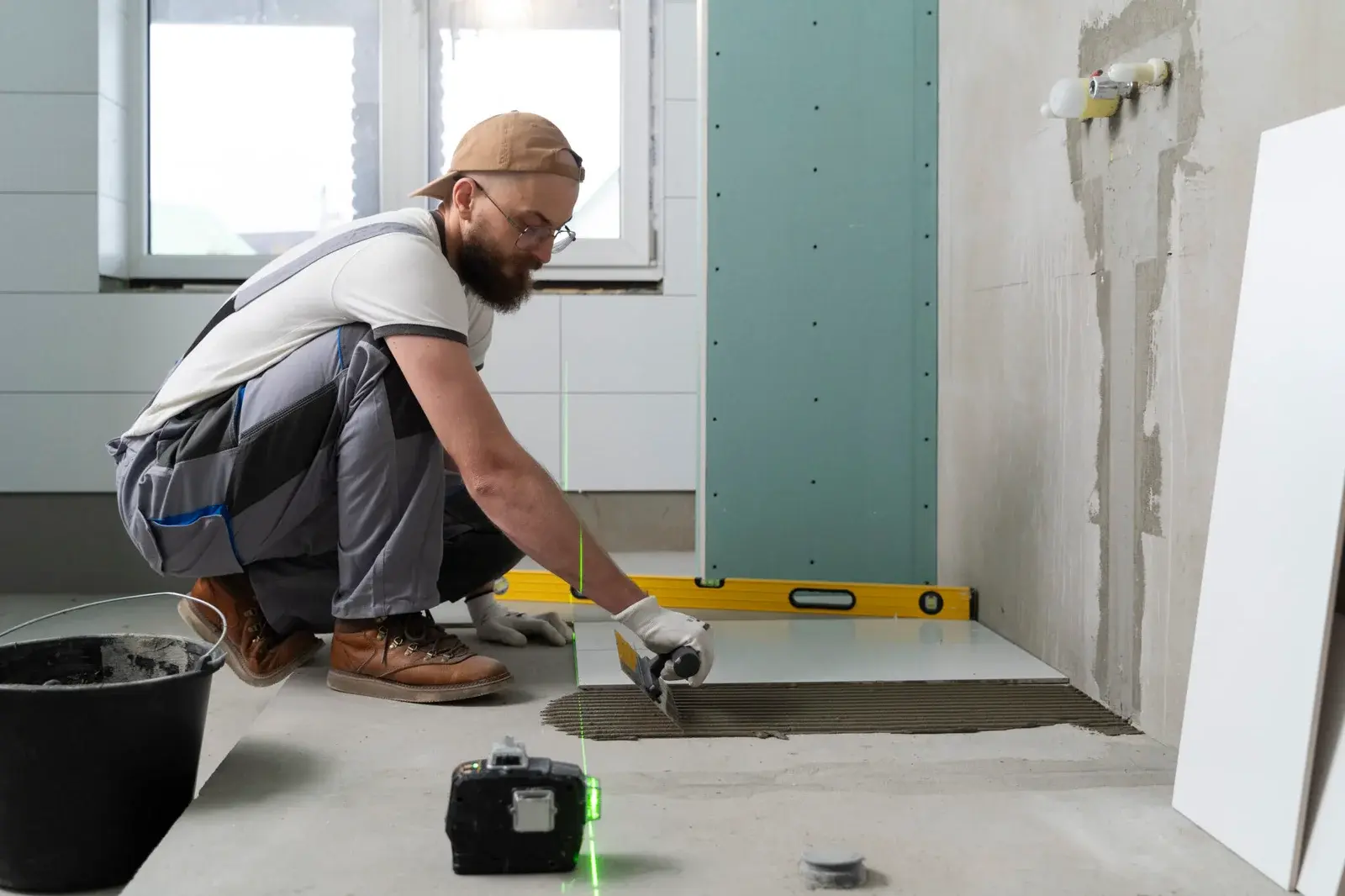
The most important thing you can do before any tiling project in Auckland is check that the person you are hiring knows the compliance requirements. Ask them directly whether they can provide a PS3 statement for waterproofing work. Ask whether they are familiar with Building Code clause E3 and what membrane system they use. A tradesperson who cannot answer those questions clearly is not the right person for a wet area project in this city.
Beyond compliance, look for demonstrated local experience. Auckland’s soil conditions, the age profile of housing stock across different suburbs, and the climate all create specific challenges that someone who has only worked in other regions may not be prepared for. Villa bathrooms in Ponsonby, concrete-slab homes in South Auckland, and new townhouses across the isthmus each present different substrate conditions and require different approaches.
Tiling work that is done right in Auckland lasts decades and adds real value to a home. Tiling that cuts corners on waterproofing or material selection creates the kind of moisture problem that shows up years later, costs far more to fix than the original saving was worth, and in a city with Auckland’s building history, carries a particular weight that homeowners here understand better than most.