Water is one of the most important needs for every plant, but many gardeners still struggle with watering correctly. Some plants die from too much water, while others become weak because they don’t get enough moisture. That’s why learning the right method of watering can instantly improve your gardening results.
In this guide, you will learn everything about Watering Plants, including the best time to water, how much water is enough, and the most common mistakes to avoid. With these simple tips, your plants will grow stronger, greener, and healthier in every season.
Why Watering Plants Correctly Is So Important
Plants use water to absorb nutrients from the soil and keep their stems and leaves strong. When the plant gets the right amount of water, it grows faster and stays fresh for longer. But when watering is irregular, plants become stressed and start showing signs like yellow leaves, weak stems, or slow growth.
Water also supports the root system. Deep watering helps roots grow deeper into the soil, which makes the plant stronger and more resistant to heat and wind. Good Watering Plants habits create a healthier garden with fewer problems.
How to Know When Your Plants Need Water
Not every plant needs water every day. A common mistake is watering on a fixed schedule without checking soil moisture. The best way to know is by checking the soil with your finger.
If the top 1 to 2 inches of soil feels dry, the plant may need water. If it still feels damp, you can wait. Plants also show signs when they need watering, such as drooping leaves or dry soil pulling away from the pot edges.
Learning these signs helps you become confident with Watering Plants without overdoing it.
Best Time of Day for Watering Plants
Timing matters more than many people think. The best time to water is early morning because the temperature is cooler, and the plant can absorb moisture before the sun becomes strong.
Watering in the afternoon can cause quick evaporation, especially in summer. Watering late at night can also create problems because moisture stays on the soil and leaves for a long time, which can lead to fungus or mold.
If you want your garden to grow better, choose morning as your regular Watering Plants routine.
How Much Water Do Plants Really Need?
Plants need enough water to reach the roots, not just wet the surface. Light watering every day often keeps the surface damp but leaves roots dry, which creates weak growth.
Deep watering is usually better. It helps moisture reach the lower soil layers and encourages strong root development. The exact amount depends on plant type, soil condition, and weather. Outdoor plants in hot sun need more water than indoor plants or shaded garden beds.
Understanding this balance makes Watering Plants easier and more effective.
Watering Plants in Pots vs Garden Soil
Watering potted plants is different from watering plants in garden beds. Pots dry out faster because they hold less soil and are exposed to air from all sides. That’s why container plants may need watering more often, especially in summer.
Garden soil holds moisture longer, especially if it has compost and organic matter. However, heavy soil may hold too much water, which can cause root rot. Always check soil moisture before watering to keep your plants safe and healthy.
If done correctly, Watering Plants becomes simple whether your plants are indoors, outdoors, or in containers.
Common Watering Plants Mistakes to Avoid
Many plant problems happen because of watering mistakes. Fixing these habits can save your plants and improve your garden quickly.
Overwatering and Root Rot
Overwatering is one of the biggest gardening mistakes. When soil stays wet too long, roots cannot breathe properly. This causes roots to rot and the plant becomes weak.
A common sign of overwatering is yellow leaves and soft stems. If the soil feels soggy and smells bad, stop watering for a few days and improve drainage.
Good Watering Plants habits always include checking soil moisture first.
Underwatering and Dry Stress
Underwatering makes plants dry, weak, and slow-growing. Leaves may curl or become crispy, and flowers may drop early. This is common in hot weather when water evaporates quickly.
To prevent this, water deeply and cover soil with mulch to keep moisture longer. Underwatering is easier to fix than overwatering, but it still affects plant health if repeated.
Watering Leaves Instead of Roots
Many people spray water on the leaves, thinking it helps the plant. But most plants need water at the root level. Water on leaves can also increase fungal diseases, especially in humid climates.
Always water near the soil and aim for the base of the plant. This allows water to go directly where it is needed.
Best Methods for Watering Plants Efficiently
Efficient watering saves time and reduces water waste. The goal is to keep the soil moist without making it too wet.
One of the best methods is slow and steady watering. This allows soil to absorb water properly instead of letting it run off. Drip irrigation is also a great option for garden beds because it delivers water directly to the roots.
Here are a few smart watering methods you can use:
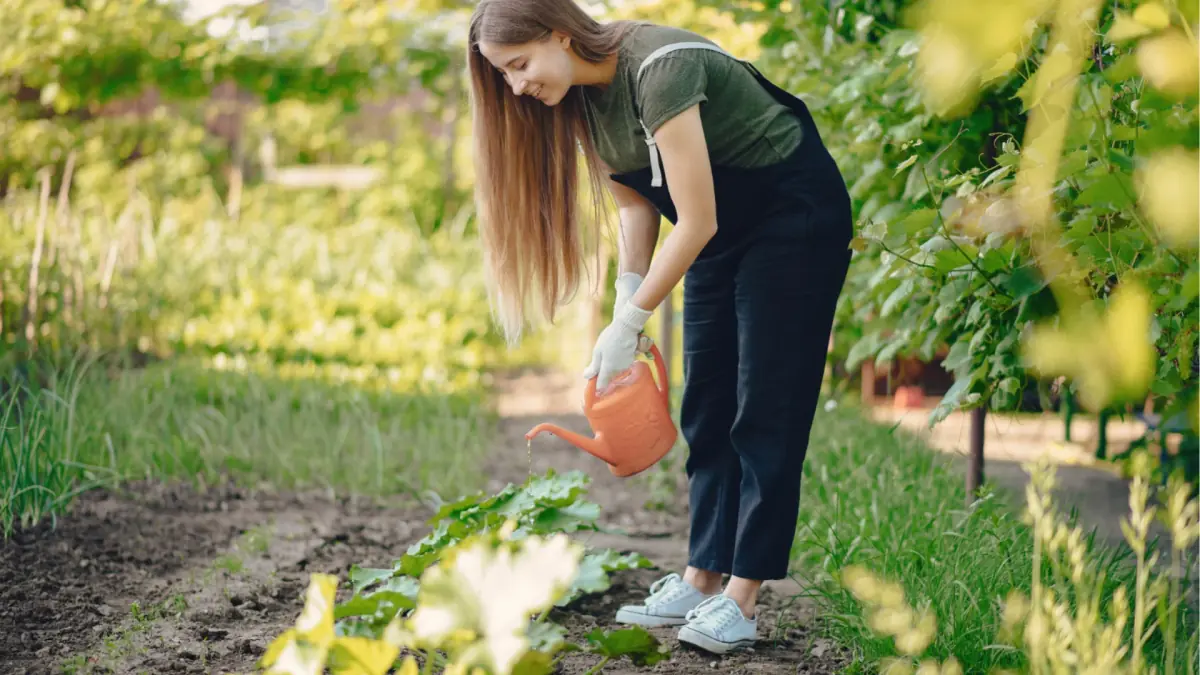
- •Use a watering can for controlled watering
- •Use a hose with a gentle spray setting
- •Try drip irrigation for larger garden areas
Choosing the right method improves Watering Plants results and keeps your garden healthier.
Watering Plants in Different Seasons
Plants need different watering levels depending on the season. In summer, water needs increase due to heat and dryness. In winter, plants usually need less water because evaporation is lower and growth slows down.
During rainy seasons, avoid extra watering unless the soil becomes dry. Too much water in wet weather can cause fungus and root problems. Seasonal adjustments make Watering Plants easier and prevent damage.
How to Improve Water Retention in Soil
If your soil dries out too quickly, improving its structure helps hold moisture longer. Compost is one of the best natural solutions because it improves both moisture retention and nutrition.
Mulch is another great option. It covers the soil and reduces evaporation. Mulching also protects roots from extreme heat and keeps the garden bed looking neat.
With good soil care, Watering Plants becomes less frequent and more effective.
FAQs
How often should I do Watering Plants in my garden?
It depends on the weather and plant type. Most outdoor plants do well with deep watering a few times a week instead of daily light watering.
Is morning the best time for Watering Plants?
Yes, early morning is the best time because water absorbs properly before heat increases. It also reduces evaporation and fungal risk.
How do I know if I am overwatering?
Signs include yellow leaves, soft stems, and soggy soil. Overwatered plants may also develop a bad smell near the roots.
Should I water indoor plants daily?
No, most indoor plants do not need daily watering. Check the soil first and water only when the top layer becomes dry.
What is better: watering a little every day or deep watering?
Deep watering is usually better because it reaches the roots and strengthens the plant. Light watering often keeps roots weak and shallow.
Conclusion
Proper Watering Plants is one of the easiest ways to improve your gardening success. When you water at the right time, give the right amount, and avoid overwatering, your plants grow stronger and healthier.
Start by checking soil moisture, watering in the morning, and focusing on deep watering instead of surface watering. With these simple habits, your garden will stay green, fresh, and productive throughout the year.