Introduction
Gardening is a rewarding experience, but one challenge every gardener faces is dealing with pests. While chemicals can provide quick fixes, they can also harm beneficial insects and pollute the environment. Fortunately, there are many natural ways to control garden pests that are both effective and eco-friendly.
For more useful guides, explore our Cleaning section. For expert advice, check out our Diy guides.
Attract Beneficial Insects to Your Garden
One of the most effective natural ways to control garden pests is by attracting beneficial insects. These helpful critters, such as ladybugs and lacewings, naturally prey on pests like aphids.
- •Plant a variety of flowers: Marigolds, lavender, and sunflowers attract beneficial insects.
- •Provide water sources: Place shallow dishes of water around your garden for hydration.
- •Avoid chemical pesticides: Chemicals can harm the very insects that help you.
Use Companion Planting to Repel Pests
Companion planting is a time-tested method of planting certain crops together to create a natural pest-repellent barrier.
- •Marigolds and tomatoes: Repels aphids, whiteflies, and nematodes.
- •Basil and peppers: Helps repel aphids and caterpillars.
- •Garlic and roses: Acts as a natural repellent for aphids and mites.
Neem Oil and Diatomaceous Earth
Neem oil disrupts the life cycle of pests, preventing them from feeding and reproducing. For crawling insects, use Diatomaceous Earth (DE).
Sprinkle a thin layer of DE around the base of plants. Note that DE loses its effectiveness when wet, so reapply after rainfall.
Create Physical Barriers
Row covers are lightweight fabric covers that act as a physical barrier, preventing flying pests like cabbage worms from reaching your crops while still allowing sunlight and water to penetrate.
Homemade Natural Sprays
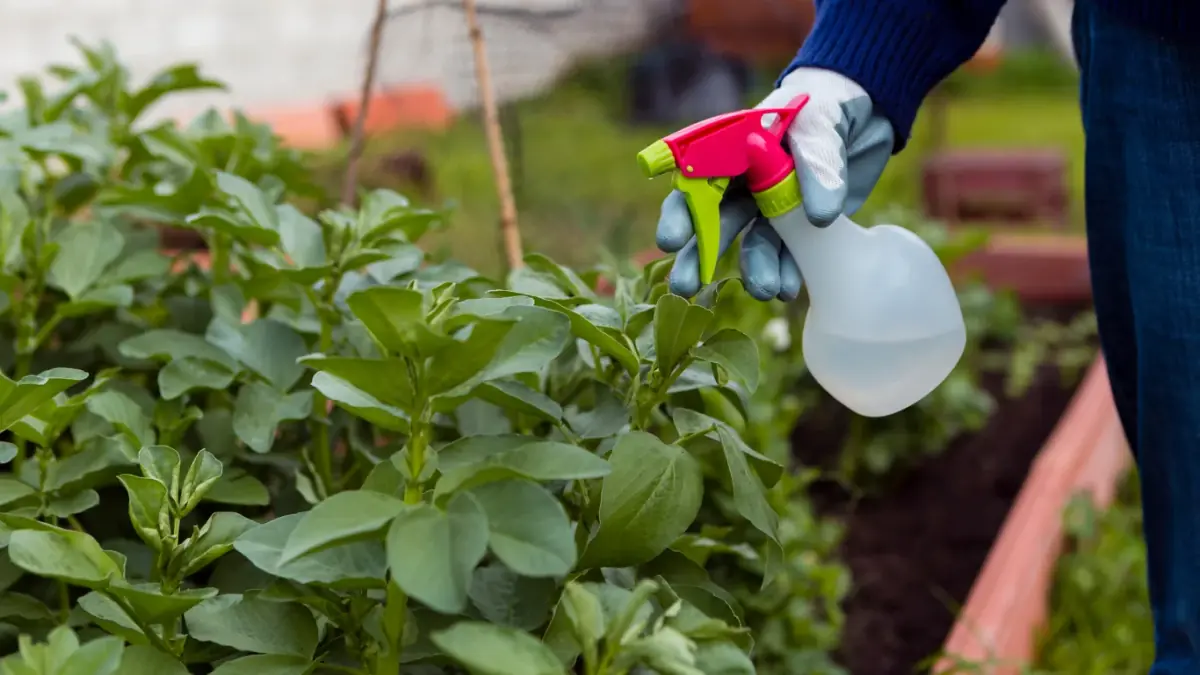
For a cost-effective solution, garlic or hot pepper spray deter insects through scent and taste. Blend garlic cloves or peppers with water, strain, and spray every 7-10 days.
FAQs
Q1: What are the best natural ways to control aphids?
Try using neem oil, insecticidal soap, or introducing beneficial insects like ladybugs.
Q2: How do I keep slugs and snails out?
Create barriers using Diatomaceous Earth, crushed eggshells, or copper tape around your pots.
Q3: Are natural pesticides safe for my plants?
Yes, organic options are much gentler than chemicals, but always test a small leaf first.
Conclusion
Controlling garden pests naturally protects the delicate balance of your ecosystem. By using organic methods, you ensure that your plants grow strong while preserving the health of your soil and water.