A clogged sink or slow shower can quickly become a frustrating home problem. It can
interrupt your routine, cause unpleasant smells, and even lead to water overflow if
the blockage gets worse.
The good news is that you can often unclog a drain at home without expensive tools
or calling a plumber immediately. With a few smart steps and the right order of
methods, most common drain problems can be fixed safely and quickly.
Why Drains Get Clogged in the
First Place
Most clogs don’t happen suddenly. They usually form over time as daily waste sticks
to the inside of pipes. In bathrooms, hair and soap scum are the most common
reasons. In kitchens, grease and food particles build up and slowly reduce the space
where water should flow.
Hard water can also increase clogging because it leaves mineral deposits behind.
These deposits combine with soap residue and create a thick layer inside the
plumbing system. Over time, this makes the drain slower until it becomes fully
blocked.
Early Signs Your Drain Needs to
Be Cleared
If you catch the issue early, it becomes much easier to fix. A slow drain is usually
the first warning sign. Another sign is a gurgling sound, which happens when air
gets trapped behind the clog and tries to escape through water.
Bad smells coming from a sink or shower drain are also a strong signal that
something is stuck inside. If you notice these symptoms regularly, it is best to fix
the problem before the blockage becomes serious.
Easy DIY Methods to Unclog a
Drain at Home
If you want to unclog a drain, always start with the safest and simplest option.
Most of the time, light clogs can be cleared without opening pipes or using harsh
chemicals. If one method does not work, move to the next solution step by step.
Use Boiling Water for Soap or
Grease Buildup
Boiling water is one of the easiest home remedies for mild clogs. It can loosen soap
residue and break down grease that sticks to the pipe walls. This method works
especially well for kitchen sinks and bathroom drains that are draining slowly.
To get better results, pour boiling water slowly in two rounds. Then run warm tap
water to see if the flow improves. If the drain is still slow, you can repeat the
process once more before moving to another method.
Try Baking Soda and Vinegar for
Natural Cleaning
Baking soda and vinegar create a reaction that helps loosen grime inside the pipe.
It’s also useful for removing unpleasant drain smells. This method works best when
water is still draining a little and the clog is not completely solid.
Pour baking soda first, then vinegar, and let the mixture sit for about 15 to 20
minutes. After that, flush it with hot water. Many homeowners use this method weekly
as a simple way to keep pipes fresh and reduce buildup.
Plunge the Drain for Quick
Pressure Cleaning
A plunger works by pushing pressure through the blockage and pulling it loose. Many
people do not get results because they forget to make a tight seal. If you create
strong suction, a plunger can clear many sink and tub clogs quickly.
Make sure there is a small amount of water in the sink or tub so the plunger cup is
covered. Then plunge firmly for about 15 to 20 seconds and test the drain. This
method often works well when the clog is not too deep.
Use a Drain Snake for Hair and
Deep Clogs
A drain snake is one of the most effective tools for removing hair and debris. It
can reach deeper into the pipe where plunging and flushing cannot. This is why it is
a great option for shower drains, bathroom sinks, and stubborn clogs.
Insert the snake slowly and twist it as you push it forward. When you feel
resistance, rotate it gently to catch the clog and then pull it out. After removing
the debris, rinse the drain with warm water. This technique can unclog a drain
quickly when hair is the main cause.
Clean the P-Trap Under the Sink
(For Strong Blockages)
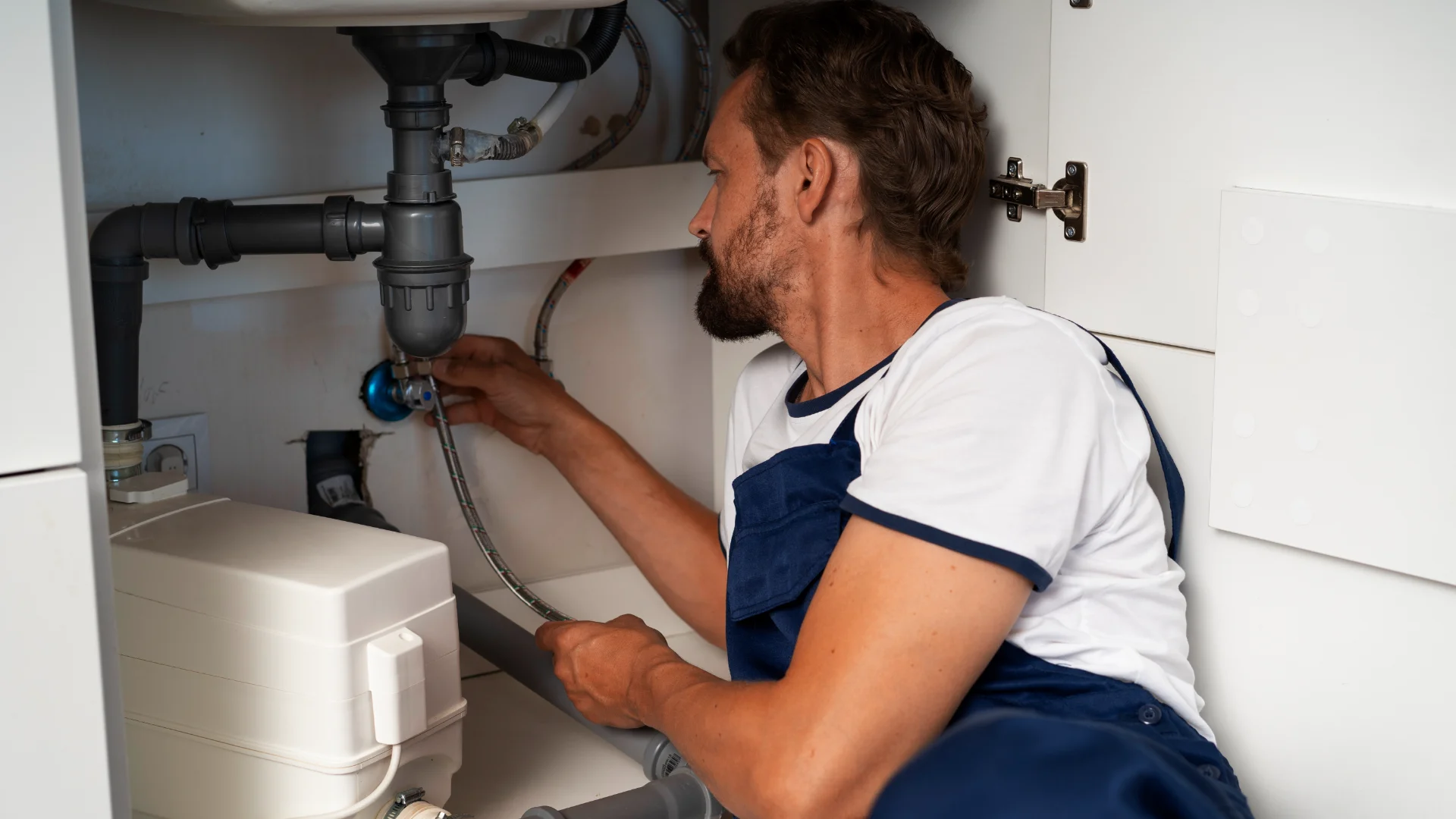
If your sink is completely blocked, the clog might be inside the P-trap. The P-trap
is the curved pipe under the sink that holds a small amount of water to block sewer
smells. Because of its shape, it often collects food waste, grease, and other
debris.
Place a bucket underneath before opening it because water will spill out. Remove the
trap carefully, clean it thoroughly, and reinstall it tightly. Then run water for a
few minutes to make sure there are no leaks and the flow is restored.
Mistakes You Should Avoid While
Clearing a Drain
Many people panic and use harsh chemical cleaners repeatedly. While these products
can sometimes work, frequent use may damage older pipes and create long-term
problems. It is safer to use physical methods first, such as plunging or a drain
snake.
Avoid mixing different drain chemicals because it can create dangerous fumes. Also,
do not push sharp objects down the drain because this can crack pipe fittings or
scratch the surface, which makes buildup stick faster in the future.
Useful Tools to Keep at Home
Having the right tools can make drain problems easier to handle. Most clogs can be
fixed quickly when you have basic items ready at home. These tools are affordable
and useful for many home maintenance tasks.
Here are three tools worth keeping:
- •A strong plunger
- •A drain snake or hair remover tool
- •Rubber gloves and a small bucket
With these items, you can handle common clogs and unclog a drain before it becomes a
bigger issue.
How to Prevent Drain Clogs in the
Future
Prevention is always better than repair. Small daily habits can keep your drains
clean and reduce plumbing stress. In bathrooms, using a drain strainer helps stop
hair from collecting inside pipes. In kitchens, avoiding grease in the sink is one
of the biggest protections against clogging.
It also helps to flush drains weekly with hot water to remove early buildup. If you
follow simple prevention steps, you won’t need to unclog a drain as often, and your
pipes will stay healthier for longer.
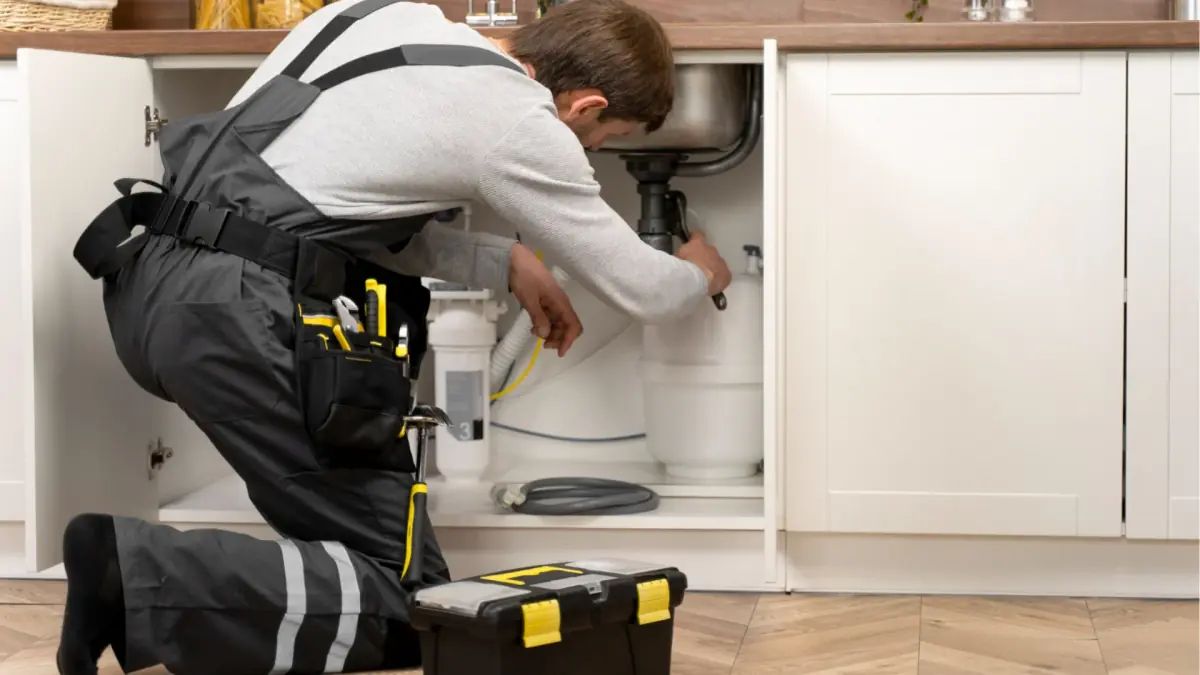
When to Call a Plumber
DIY methods are useful, but some situations need professional help. If multiple
drains are clogged at the same time, the blockage may be deep in your main sewer
line. If flushing the toilet causes water to rise in another drain, it may be a
serious plumbing issue.
You should also call a plumber if your drain keeps clogging again and again. That
can mean there is heavy buildup, pipe damage, or improper slope in the plumbing
line. In such cases, professional inspection can prevent costly repairs later.
Conclusion
Drain problems are common, but most are easy to fix when you act early. With simple
methods like boiling water, baking soda and vinegar, plunging, and using a drain
snake, you can unclog a drain safely and restore normal water flow.