Timber frame homes have become an increasingly popular choice among homeowners in New York, blending traditional craftsmanship with modern efficiency and sustainability. With their distinctive exposed wood beams and versatile layouts, these homes offer both aesthetic appeal and practical advantages. Whether you are considering a new build in the Hudson Valley or exploring options for a rural retreat in the Adirondacks, timber frame construction presents a compelling path.
This article explores why timber frame homes are an ideal fit for New York, what sets them apart, and why you should checkout Timberbuilt homes as a benchmark for excellence in this field.
The Appeal of Timber Frame Architecture
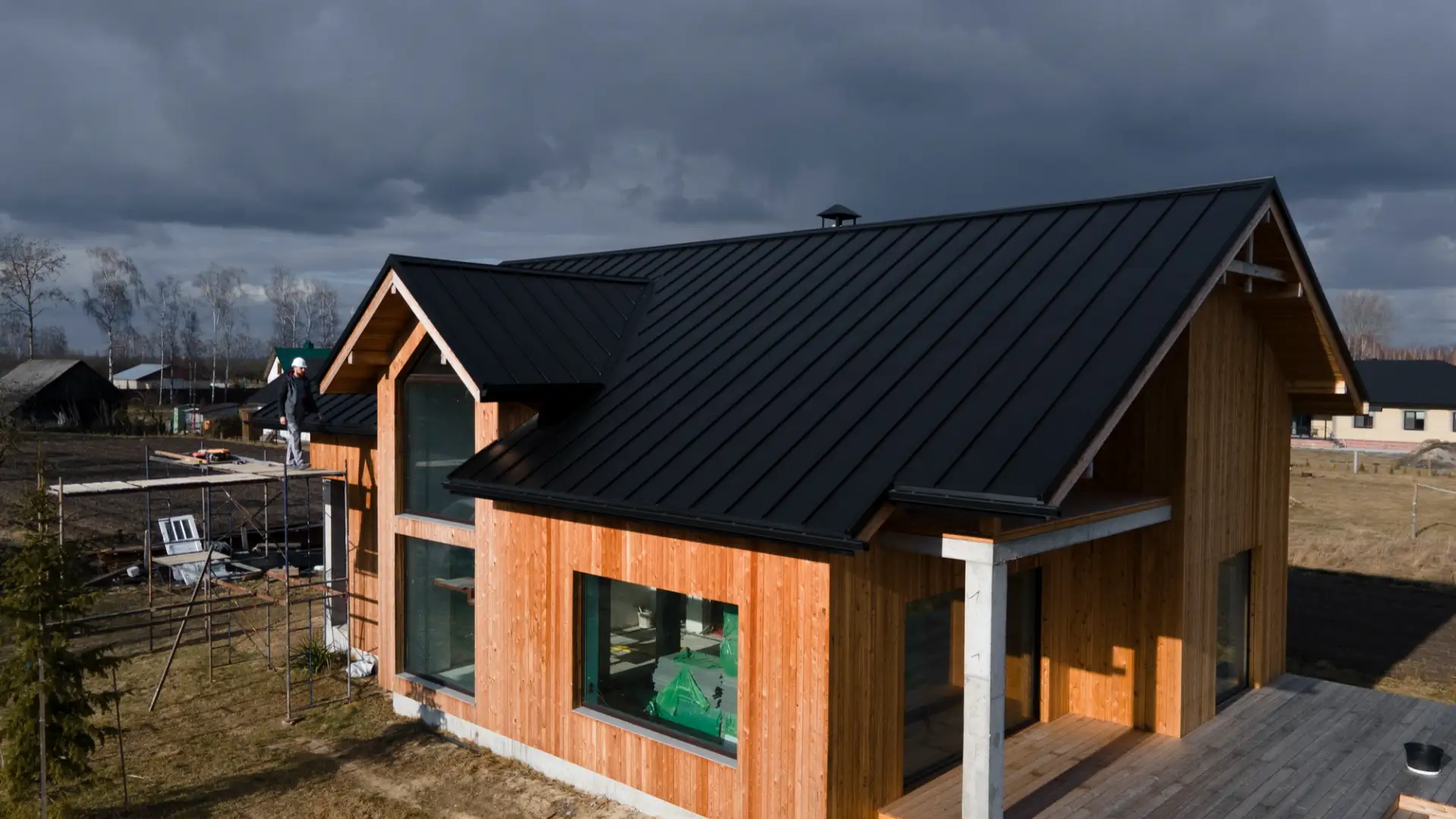
Timber frame homes stand out due to their structural integrity and timeless beauty. Unlike conventional stick-built houses, timber frames use large wooden beams that are joined with precision techniques, often including mortise-and-tenon joinery. This method, which dates back centuries, produces buildings that are not only strong but also visually striking. The exposed framework becomes a central design element, imbuing each space with warmth and natural elegance.
New York’s diverse landscapes—from bustling suburbs to secluded forests—provide an ideal backdrop for timber frame designs. The natural materials harmonize with the state’s changing seasons, and the versatility of timber construction allows for a range of architectural styles, from rustic lodges to sleek, contemporary homes.
Energy Efficiency and Sustainability
One of the most significant advantages of timber frame homes is their energy efficiency. The structural design allows for the use of thick, continuous insulation, dramatically reducing heat loss and energy bills. In a climate like New York’s, with its cold winters and warm summers, this benefit is crucial for both comfort and cost savings.
Furthermore, timber is a renewable resource when harvested responsibly. Many builders, including those you’ll encounter when you checkout Timberbuilt homes, prioritize sourcing wood from sustainably managed forests. This commitment helps reduce the environmental impact of construction and ensures that forests continue to thrive for future generations.
Customization and Design Flexibility
Timber frame construction offers remarkable design flexibility. Without the need for load-bearing interior walls, homeowners have the freedom to create open floor plans and expansive living spaces flooded with natural light. This adaptability allows for creative layouts tailored to the unique needs and tastes of each family.
For those interested in building in New York, where site conditions can vary from rolling hills to rocky slopes, timber frames provide a solution that can be adapted to a wide range of terrains. If you checkout Timberbuilt homes, you’ll find inspiring examples of how custom timber architecture can be tailored to both urban and rural settings, maximizing views and integrating seamlessly with the surrounding environment.
Durability and Longevity in New York’s Climate
New York’s climate presents unique challenges, from heavy snowfall upstate to humid summers downstate. Timber frame homes are renowned for their durability and ability to withstand harsh weather. The substantial beams used in their construction are naturally resistant to shifting and settling over time, offering a level of stability that outpaces many conventional building methods.
High-quality timber, when properly treated and maintained, can last for generations. Builders who specialize in this craft—particularly those you’ll find when you checkout Timberbuilt homes—are adept at selecting the right species and finishes to ensure longevity and resilience against moisture, pests, and temperature fluctuations.
The Value of Expert Craftsmanship
A defining characteristic of timber frame homes is the emphasis on expert craftsmanship. Every joint, beam, and panel is meticulously crafted, often by artisans with years of experience. This attention to detail not only enhances structural integrity but also contributes to the home’s aesthetic value.
When researching reputable builders, many homeowners choose to checkout Timberbuilt homes because of their outstanding reputation for quality and innovation. Timberbuilt, among others, sets benchmarks in the industry by blending traditional techniques with modern construction science, ensuring homes are both beautiful and built to last.
Cost Considerations and Long-Term Value
While the initial investment in a timber frame home can be higher compared to some conventional methods, the long-term value often outweighs the upfront cost. The energy savings, durability, and reduced maintenance requirements contribute to a lower total cost of ownership over the years.
Additionally, timber frame homes often retain their value exceptionally well. Their unique character and enduring appeal can make them highly desirable in the real estate market. By choosing a reputable builder—such as those you encounter if you checkout Timberbuilt homes—you invest not only in a house but in a legacy property that can be enjoyed by generations to come.
Conclusion: Timber Frame Homes and New York—A Natural Fit
Timber frame homes represent a harmonious blend of tradition, innovation, and sustainability—qualities that resonate deeply with New Yorkers seeking something more than the ordinary. Their adaptability to varied landscapes, unmatched energy efficiency, and enduring beauty make them a perfect match for the state’s diverse regions.
For anyone interested in this building tradition, it is worthwhile to checkout Timberbuilt homes as a reference for what is possible with modern timber frame design. Drawing on centuries-old techniques and contemporary best practices, these homes exemplify why timber framing remains a valued and trusted approach in New York’s evolving housing landscape.