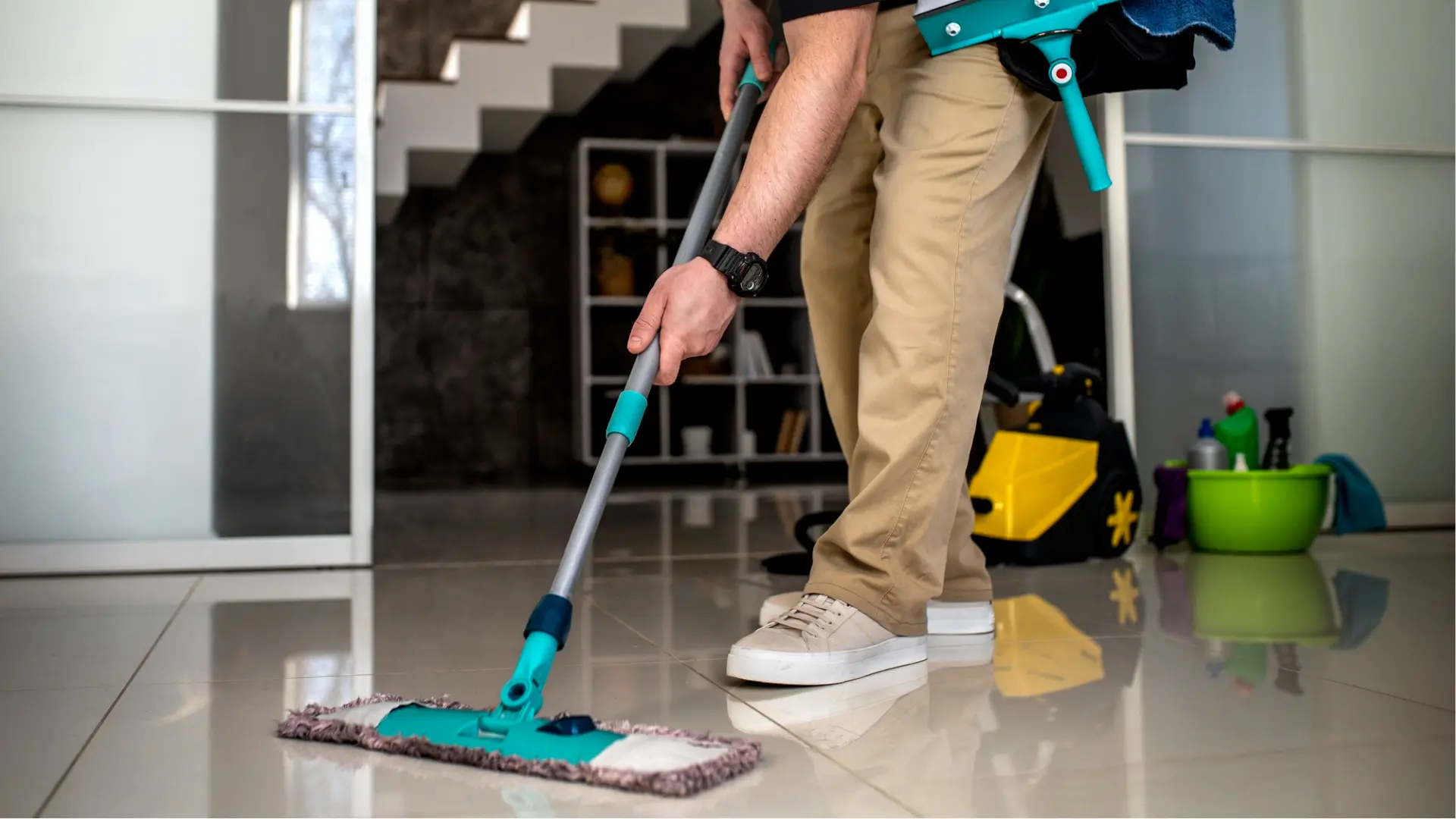
Managing shared residential properties comes with unique responsibilities that go beyond individual household upkeep. Common areas such as lobbies, stairwells, lifts, parking zones, and outdoor spaces require consistent attention to maintain safety, hygiene, and overall appearance. This is where strata cleaning and maintenance becomes essential, ensuring that multi-residential buildings remain well-presented, functional, and enjoyable for all occupants.
Why Shared Spaces Require Consistent Attention
Unlike standalone homes, strata properties experience continuous use by multiple residents and visitors. This high level of activity leads to faster accumulation of dirt, waste, and wear in common areas.
Without regular upkeep, these spaces can quickly become unhygienic and uninviting. Consistent maintenance ensures that shared environments remain clean, safe, and comfortable for everyone living in the building.
Maintaining Hygiene in High-Traffic Areas
Areas such as entrances, corridors, and lifts are frequently touched and used throughout the day. This makes them more prone to germs, dust, and surface contamination.
Regular cleaning helps reduce the spread of bacteria and improves overall hygiene standards within the building. This is particularly important in residential complexes where many people share the same facilities daily.
Enhancing Safety Across the Property
Safety is a key concern in strata-managed buildings. Spills in hallways, debris in stairwells, or poorly maintained outdoor areas can increase the risk of accidents.
Routine maintenance ensures that hazards are identified and addressed quickly. Clean, well-maintained spaces reduce slip risks and create a safer environment for residents and visitors.
Preserving the Appearance of the Building
First impressions matter, especially in residential communities. Clean and well-maintained common areas significantly improve the overall look and feel of a property.
This visual appeal not only benefits current residents but also enhances the building’s reputation for potential buyers or tenants. A well-presented property often reflects strong management and care.
Extending the Life of Shared Infrastructure
Strata buildings include various shared assets such as carpets, lighting systems, doors, and outdoor fixtures. Without proper care, these elements can deteriorate faster due to constant use.
Regular cleaning and maintenance help protect these assets from premature wear and damage. This reduces replacement costs and ensures long-term functionality of shared facilities.
Supporting Resident Comfort and Satisfaction
Clean and well-maintained environments contribute directly to resident satisfaction. People are more likely to feel comfortable and proud of where they live when common areas are well cared for.
This also helps reduce complaints and improves overall harmony within the community. A well-maintained property creates a more positive living experience for all residents.
Managing Waste and Outdoor Areas Effectively
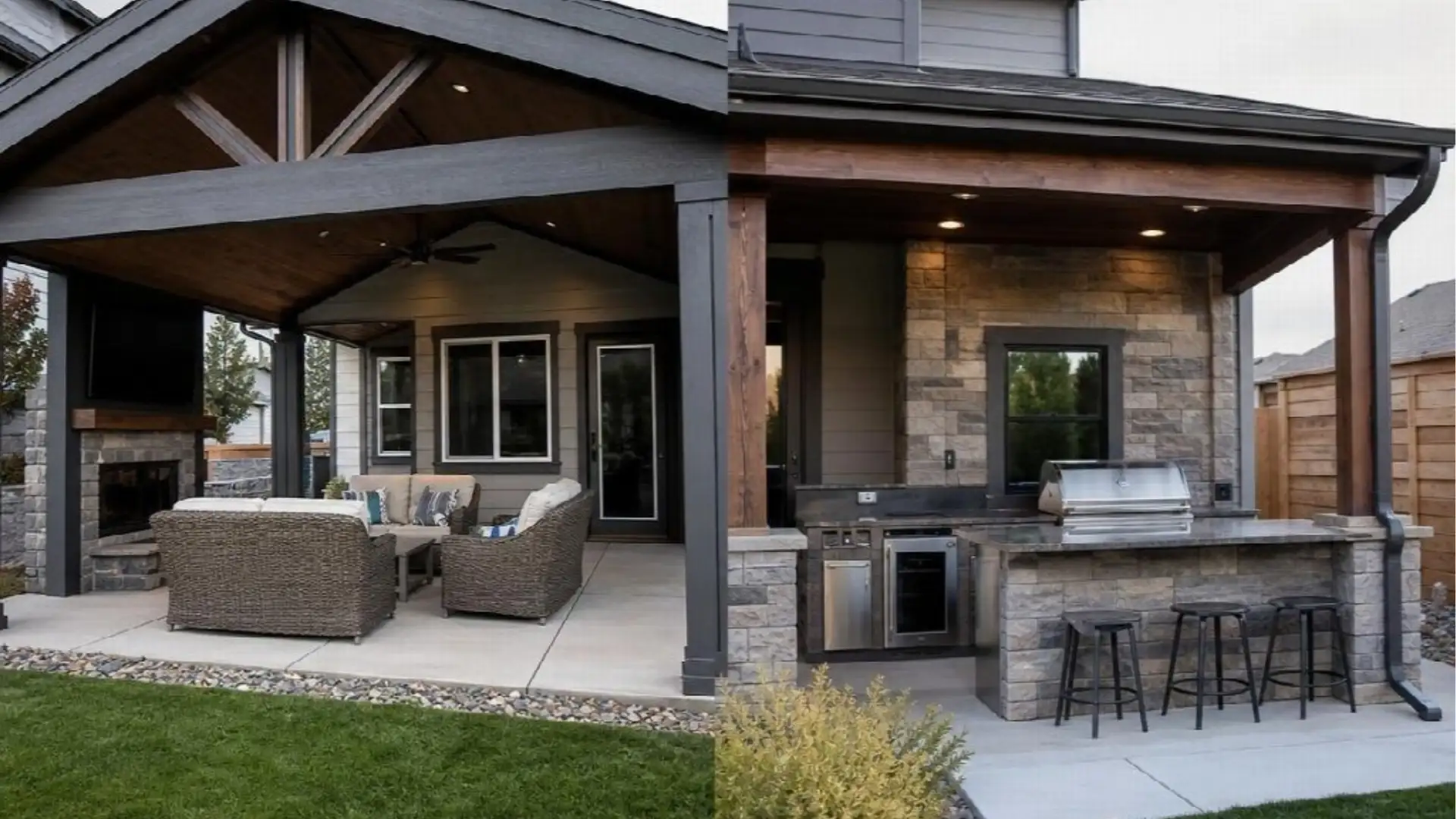
Outdoor spaces such as gardens, walkways, and parking areas are just as important as indoor common zones. These areas often collect litter, leaves, and other debris.
Regular upkeep ensures that waste is properly managed and outdoor environments remain tidy and functional. This contributes to both cleanliness and environmental responsibility within the property.
Ensuring Compliance With Building Standards
Strata properties must often meet specific health and safety regulations. Regular cleaning and maintenance help ensure compliance with these requirements.
This reduces the risk of penalties or legal issues while maintaining a safe and well-managed environment for residents and visitors.
Improving Long-Term Property Value
Well-maintained strata properties tend to retain and even increase their value over time. Cleanliness and upkeep play a major role in how a property is perceived in the real estate market.
Investing in regular maintenance helps protect the building’s condition, making it more attractive to future buyers and investors.
A Key Element of Effective Property Management
Strata living requires ongoing coordination and responsibility to maintain shared spaces effectively. Cleanliness and maintenance are central to this process, influencing safety, comfort, and value.
By prioritising structured upkeep, property managers and owners can ensure a well-functioning, attractive, and sustainable residential environment for all occupants.