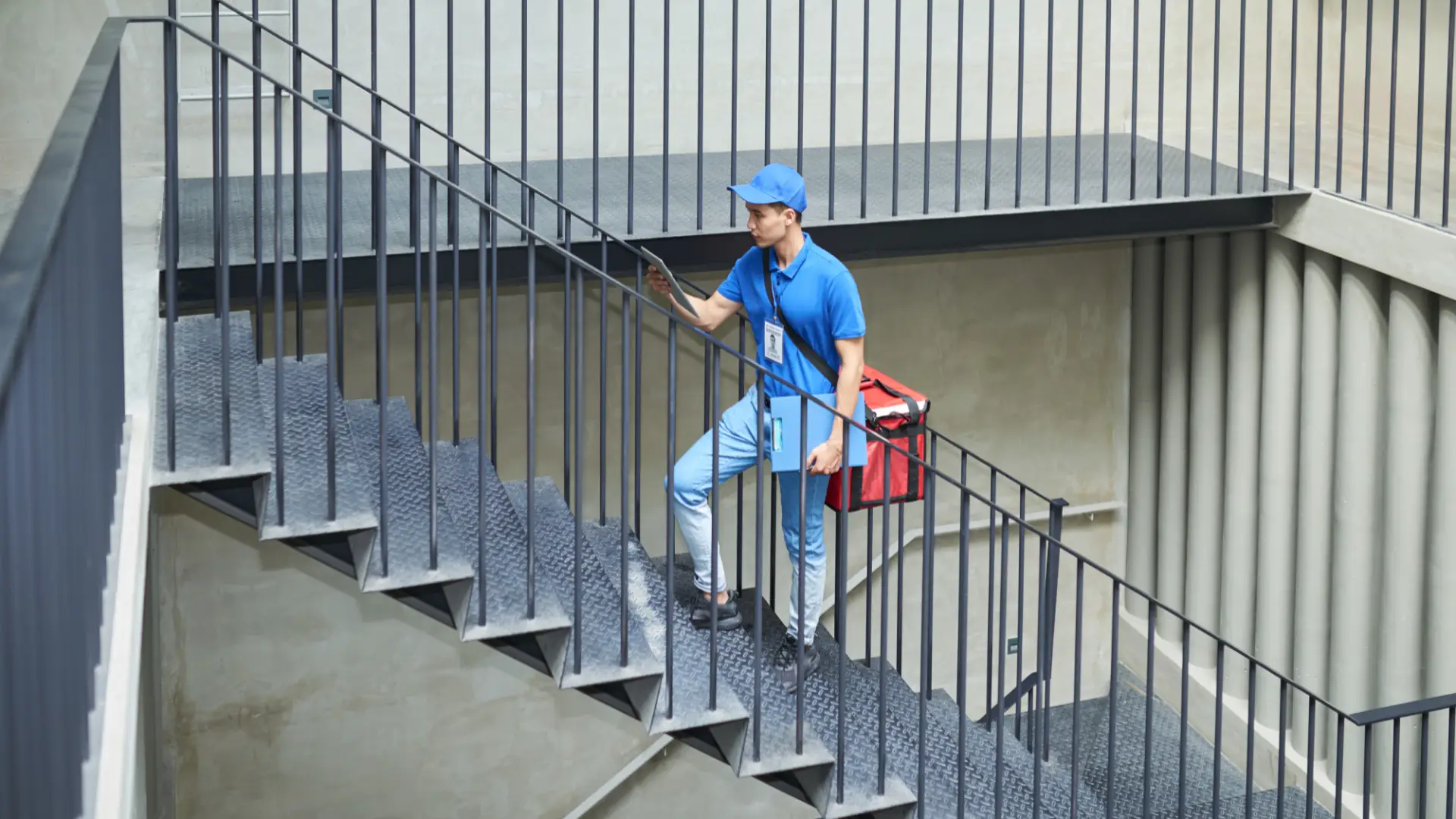
Structural integrity shapes the long-term performance of stair railing systems. Each staircase introduces specific architectural and functional conditions that reflect its intended use and project requirements. Custom stair railing installation responds to the property's architecture, and planning aligns those requirements with structural and design specifications before fabrication proceeds. Here is more information on how to enhance the construction integrity of stair railings:
Plan Project Scope
Custom metal fabrication includes installing staircases and railings across residential, commercial, and government project types. Stair railing installation follows a coordinated workflow that integrates design and on-site execution into a single structured process. Each project combines planning with defined requirements that shape staircase type, railing configuration, and overall project scope, and teams document these requirements before fabrication begins.
Planning supports construction integrity by aligning design specifications with verified conditions before fabrication and installation proceed. Renovation projects introduce additional planning steps because teams evaluate existing staircases before integrating new railing systems. New construction follows a different sequence, where staircase and railing elements progress together through design and fabrication stages. That difference in workflow determines how project details are finalized before production, and it also guides how installation requirements are prepared.
Select Durable Materials
The choice of material shapes railing strength and long-term behavior. Material use changes across interior and exterior railings, and they may include:
- •Wrought iron: This supports custom iron railings and ornamental metalwork in stair systems.
- •Stainless steel: Steel defines railing systems and structural components that integrate into stair frameworks.
- •Aluminum: Aluminum railings form lightweight structural assemblies where fabrication requires reduced material load.
- •Bronze: This material contributes to ornamental metalwork used in architectural detailing across metal projects.
- •Glass: Glass integrates into railing systems where stair designs include framed glass components within metal structures.
Powder coating and painting can be applied to metal components, and this helps provide a protective surface. Galvanization is another option that helps the railing withstand weather elements. Professionals may apply the coatings and finishes during the final stages of fabrication to make sure the railing is ready for installation.
Customize Designs
Custom designs in railing installations follow architectural requirements defined during fabrication planning. Adapting railing design to the staircase helps improve how the system aligns with the overall structure, and it may reduce mismatches between layout and fabrication output. Customization also allows railing systems to match different staircase types, such as:
- •Custom metal railings: These staircases may use straight structural runs that define direct railing alignment along uniform stair flights.
- •Floating stair systems: Floating stairs require railing alignment that follows open structural spacing and uninterrupted visual flow.
- •Spiral stair designs: This design shapes the railing layout through continuous curvature that follows the stair's rotational path.
Fabricate Railing Systems
Fabrication matches the component with the intended railing design and adheres to the project drawings in production. Each component is measured, cut, and formed to match the desired configuration of the railing system. The alignment helps minimize mismatches on installation, and it provides enhanced integrity during construction by helping the railing system fit the stair structure correctly.
Schedule Stair Railing Installation
Stair railing installation needs accurate site measurements, design-matched fabrication, and precise on-site installation to produce a properly aligned railing system. Railing contractors align each railing system with site conditions to maintain structural consistency during final placement. This coordinated process can strengthen the railing system, supporting long-term structural performance. Contact a custom metal fabrication service today and discuss project requirements.