Walk up to any home that makes you stop and look twice, and there is a good chance the entry door is doing most of the work. Material matters more than most buyers realize, and few materials carry the weight, character, and longevity of real timber. When homeowners want an entrance that feels substantial the moment they push it open, solid wood doors remain the benchmark that everything else gets measured against.
This piece breaks down what actually sets timber entries apart, how to choose one that lasts decades, and where the smart money goes when you upgrade your entrance. Whether you are renovating a single facade or specifying entries for a full build, the reasoning below applies the same way: material drives the result, and timber sets a standard the alternatives spend their entire marketing budgets trying to imitate.
What Makes a Wood Door Worth the Investment
The appeal starts with mass. A genuine timber slab has a heft you feel in your wrist before you notice it with your eyes. That density is not just for show. It dampens sound, resists everyday knocks, and gives the whole entrance a sense of permanence that hollow or veneered options never quite match.
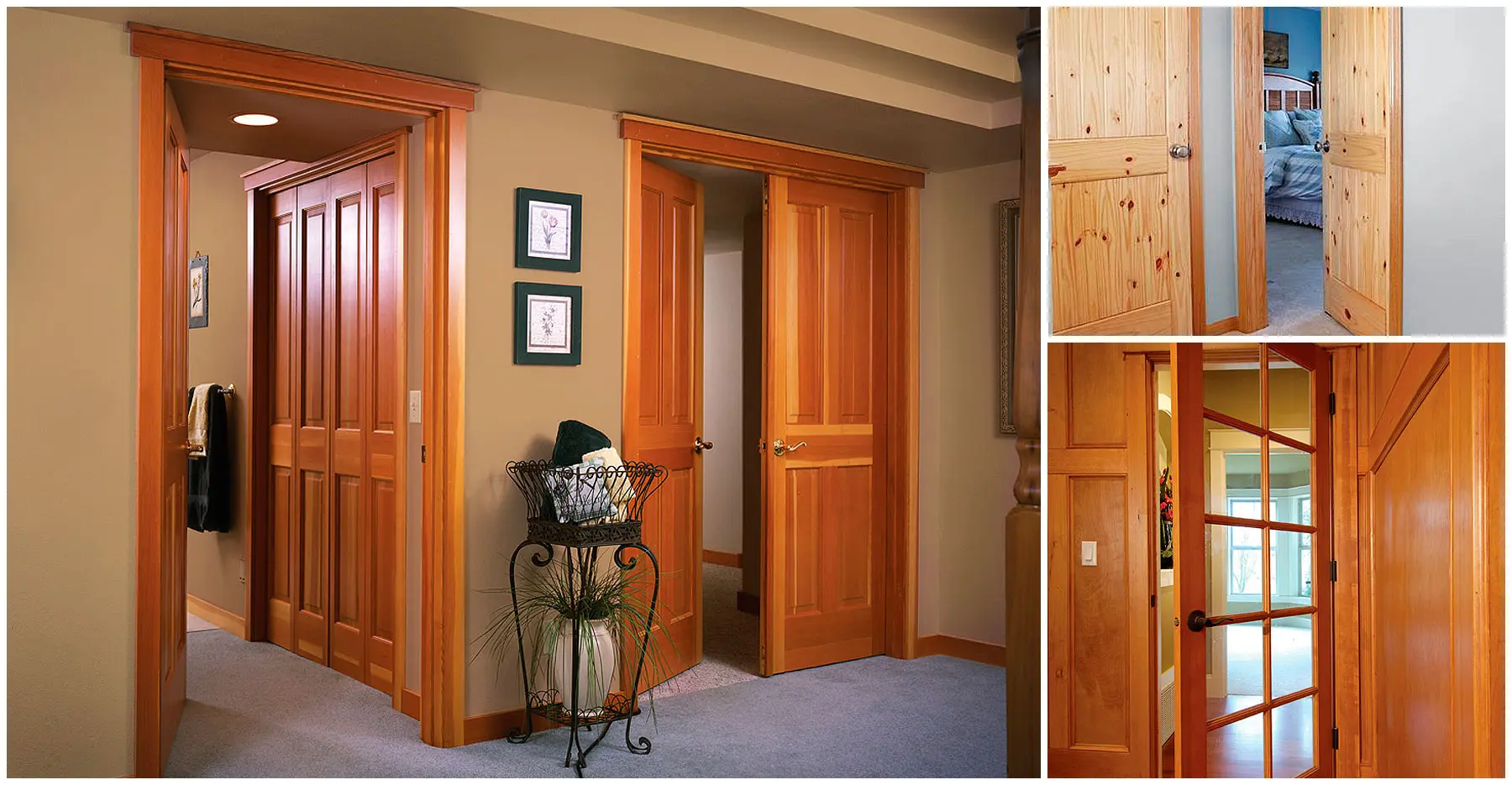
Grain is the second thing people notice. No two timber slabs are identical, so every finished door carries a pattern that belongs to it alone. Stain it dark for drama or keep it light to show off the natural figure, and the result reads as custom rather than mass-produced. That individuality is hard to fake, and it is a big reason designers keep specifying real wood for projects where the entrance needs to anchor the facade.
Repairability seals the case. A deep scratch or a sun-faded panel is not a reason to replace the whole unit. Sand the affected area, reapply the finish, and the door looks new again. Try that with a foam-core slab, and you are shopping for a replacement instead.
Construction quality compounds all of this. The way a slab is joined, whether the stiles and rails are engineered to resist warping, and how the panels are seated all determine how the door behaves over years of seasonal swings. A cheaply built timber door can disappoint, but that is a manufacturing problem, not a material one. Buy from a maker that builds to last and the timber advantage shows up exactly where you want it: in a door that opens true and shuts clean season after season.
Choosing the Right Style for Your Home
Picking a door is less about chasing trends and more about matching the architecture you already have. A few directions tend to work across most homes:
Craftsman profiles suit bungalows and modern farmhouses, pairing clean lines with substantial stiles and rails. Divided-lite designs bring in daylight without sacrificing privacy, which works well for entries that face a porch or courtyard. For a bolder statement, ironwork details set into a timber slab give you old-world weight with a contemporary edge.
If you are weighing materials before you commit, it helps to compare the full lineup side by side. Browsing the broader wood door collection makes the differences between craftsman, contemporary, and divided-lite builds obvious once you see them next to each other. Style is personal, but the goal is consistency. The door should feel like it was always meant to be there, not bolted on as an afterthought.
Hardware is the detail that ties the whole look together. A handsome timber slab paired with thin, builder-grade levers always looks half finished. Match the weight of the door with substantial handlesets, and where the design calls for it, add straps or clavos to lean into a rustic or Spanish-influenced facade. The hardware should read as part of the door, not an accessory clipped onto it after the fact.
Durability, Climate, and Long-Term Performance
A common objection to timber is that it cannot handle the weather. The truth is more nuanced. Modern construction methods, proper sealing, and quality hardware have closed most of the gap that once existed between wood and synthetic alternatives. A well-built timber door that is finished correctly and maintained on a sensible schedule holds up for decades in almost any climate.
The key is treating the entrance as a system rather than a single part. Good weatherstripping, a properly fitted threshold, and an overhang that shields the slab from direct sun and driving rain all extend the life of the finish dramatically. Homeowners who skip those details are the ones who end up blaming the material when the real culprit was the installation.
Maintenance is straightforward. Inspect the finish once a year, touch up any thin spots before they spread, and reseal when water stops beading on the surface. That modest routine is the difference between a door that looks tired in five years and one that still turns heads in twenty. Compared with replacing a degraded synthetic slab outright, an afternoon of upkeep every season or two is a bargain, and it is the kind of care that keeps the original investment paying off long after cheaper doors have been hauled to the curb.
The Value Beyond Curb Appeal
An entry door upgrade consistently ranks among the better returns in home improvement, and timber sits at the premium end of that equation. Buyers respond to the look and feel of real wood, and appraisers notice quality construction. Beyond resale, there is the daily payoff of an entrance that simply feels better to use, one that closes with a solid thunk instead of a tinny rattle. Multiply that small daily satisfaction across years of use, and it becomes one of those upgrades owners rarely regret.
There is also an energy angle. A dense, properly sealed slab insulates the opening better than a thin, poorly fitted one, which keeps conditioned air where it belongs and trims a little off the utility bill over time. None of these benefits works in isolation, but stacked together they explain why timber entries keep their place at the top of the category.
For larger entries, the math gets even more compelling. A pair of timber doors, or a single slab flanked by sidelites and topped with a transom, turns the entrance into a focal point that frames the whole front of the house. That scale of statement is exactly where premium material pays for itself, because the entrance is no longer just a way in. It is the first impression the property makes, and timber makes it the right one.
Final Thoughts
Choosing an entrance is one of the few upgrades that delivers on aesthetics, durability, and resale all at once. Real timber earns its reputation through density you can feel, grain you cannot replicate, and a repairability that synthetic options simply lack. Pair the right slab with proper sealing and a sensible maintenance habit, and you have an entrance built to outlast nearly everything else on the house. For homeowners ready to upgrade, Knockety offers a curated selection of premium solid wood doors designed to suit a variety of architectural styles. Explore the collection to find the perfect profile for your facade, get the material right with Knockety, and the entrance does the rest.