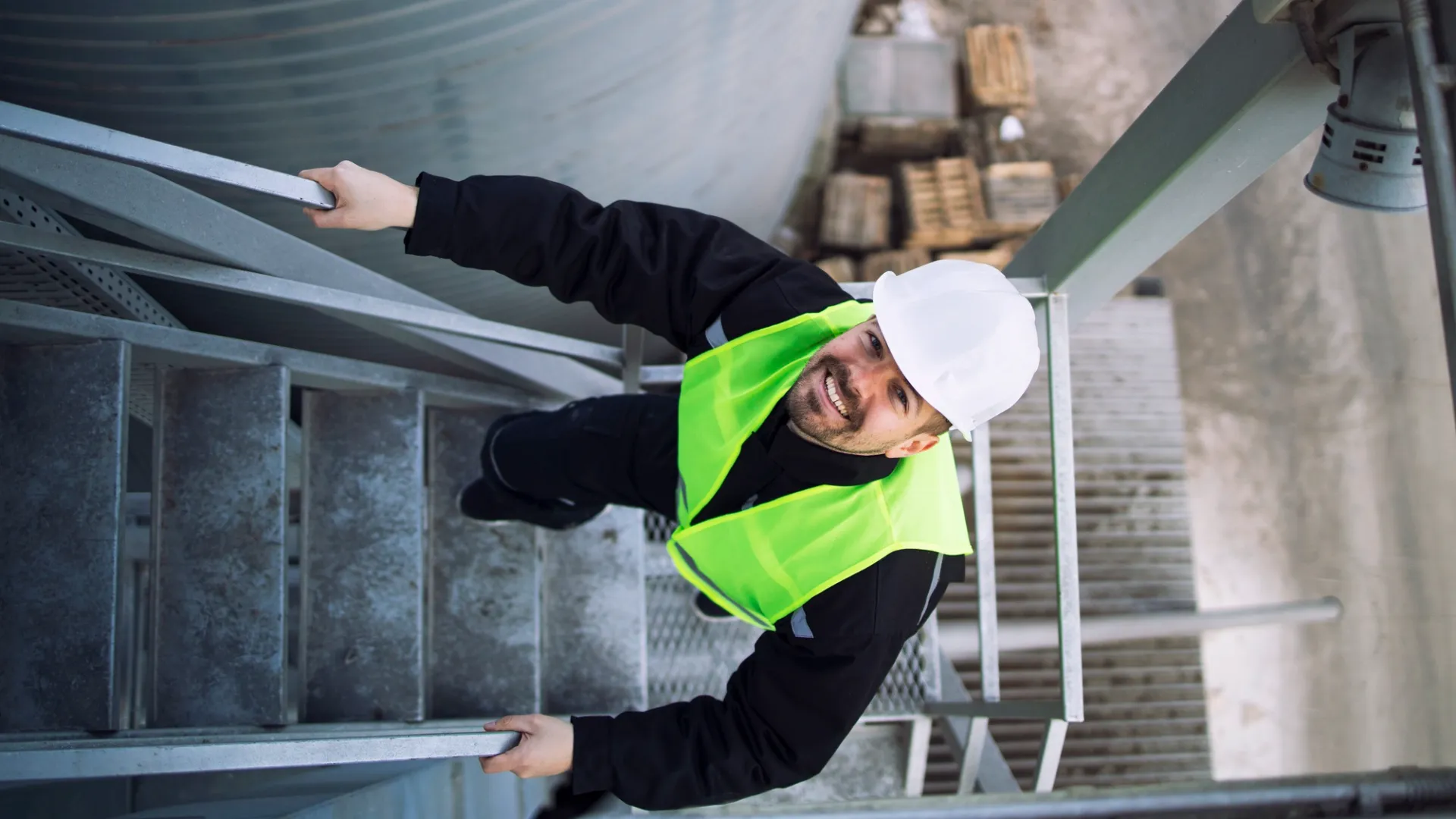
Ensuring workplace safety is a fundamental responsibility for employers, especially in industries where working at heights is common. In California, where construction and maintenance activities frequently involve rooftops, the risk posed by unprotected skylights is both real and significant. Implementing effective skylight fall protection in California is not just best practice—it's a legal and moral necessity to safeguard workers' lives.
The Hidden Danger of Skylights
Skylights are increasingly popular in commercial, industrial, and even residential buildings for their ability to bring natural light into interior spaces. However, these seemingly harmless architectural features can become serious hazards. Many skylights are constructed with materials that, while durable for weather resistance, are not designed to withstand the weight of a person. This creates a fall risk, especially for roofers, maintenance staff, and emergency responders who may need to traverse rooftop areas.
Data from the Occupational Safety and Health Administration (OSHA) consistently shows that falls are a leading cause of injury and fatalities in the construction sector. In California, strict regulations are in place to address these dangers, but skylights are often overlooked or underestimated as a source of risk. Workers may assume skylights are safe to step on, not realizing that a simple misstep could result in a catastrophic fall.
Regulatory Landscape in California
California has some of the most stringent workplace safety regulations in the United States, enforced by the Division of Occupational Safety and Health (Cal/OSHA). Under Title 8 of the California Code of Regulations, employers are required to protect employees from falls through, or into, skylights and other roof openings.
Skylight fall protection in California is governed by explicit rules:
- •All skylights must be guarded by a cover or screen that meets strength standards.
- •Alternately, guardrail systems can be installed around skylights to prevent accidental falls.
- •Warning lines and safety monitoring systems may be used in specific circumstances, but these are not substitutes for physical barriers.
Failure to comply with these regulations can result in severe penalties and, more importantly, preventable injuries or deaths.
Types of Skylight Fall Protection Systems
To address the unique challenges presented by skylights, a variety of fall protection systems have been developed. The most common solutions include:
- •Skylight Screens: Strong metal grids or meshes installed directly over skylights to prevent accidental falls through the glazing.
- •Skylight Covers: Solid or reinforced panels designed to bear the weight of a worker, effectively transforming the skylight into a safe walking surface.
- •Guardrail Systems: Freestanding or attached barriers that create a physical perimeter around the skylight, preventing access to hazardous areas.
The choice of skylight fall protection in California depends on several factors, including the roof’s layout, the type of skylight, frequency of rooftop work, and the specific requirements set forth by Cal/OSHA. Regular inspections and maintenance of these systems are vital to ensuring ongoing safety.
Why California Businesses Must Prioritize Skylight Safety
The obligation to implement skylight fall protection in California goes beyond regulatory compliance. California’s diverse climate, with its combination of sun, rain, and seismic activity, can affect the structural integrity of skylights and their protective systems over time. UV degradation, corrosion, and physical wear can all weaken barriers, making routine inspections critical.
Moreover, many businesses operate in densely populated urban areas, where a single workplace accident can have far-reaching legal and reputational consequences. In addition to the risk of injury, companies may face lawsuits, loss of insurance coverage, and damage to their standing within the community.
Employers in California must also recognize that temporary workers, subcontractors, and service technicians may not be familiar with a building’s unique hazards. Clear signage, safety training, and visible skylight protection are essential components of a robust safety culture.
Real-World Impacts and Lessons Learned
Case studies from across California underscore the importance of proper skylight fall protection. For instance, a roofing contractor in Los Angeles faced severe penalties after a worker fell through an unprotected skylight, resulting in life-altering injuries. The investigation revealed that a simple, code-compliant screen would have prevented the accident entirely.
On a more positive note, major facilities such as warehouses, manufacturing plants, and schools throughout the state have successfully reduced incidents by proactively installing skylight guards and covers. These organizations often report not only fewer accidents but also improved worker morale and confidence, knowing that their safety is a priority.
Best Practices for Skylight Fall Protection in California
To establish a comprehensive skylight safety program, California employers should:
- •Conduct thorough rooftop hazard assessments to identify all skylights and other openings.
- •Select protection systems that are certified to meet or exceed Cal/OSHA standards.
- •Train all personnel—including contractors—on rooftop safety protocols and the specific dangers of skylights.
- •Maintain and inspect protection systems regularly, replacing any components showing signs of wear.
- •Document compliance efforts and safety checks, ensuring that records are up-to-date and accessible for inspections.
By integrating these practices, companies create safer work environments and demonstrate genuine care for their employees.
Conclusion
The importance of skylight fall protection in California cannot be overstated. With strict regulations in place and the ever-present risk of rooftop accidents, employers have both a legal and ethical duty to ensure that every skylight is properly safeguarded. By understanding the risks, complying with regulations, and investing in effective protection systems, businesses can prevent tragedies, uphold their reputation, and foster a culture of safety that benefits everyone.
For any organization with rooftop access in California, prioritizing skylight fall protection is a critical step toward protecting workers and achieving lasting operational excellence.