The spaces people return to every day quietly influence how they think, move, and organize their routines. While conversations about home design often focus on style, color, or trends, another factor plays an equally important role: familiarity. A space that feels predictable and easy to navigate can support stronger habits, reduce unnecessary decisions, and create a sense of continuity throughout daily life.
Research in environmental psychology has shown that physical surroundings affect behavior patterns. People naturally respond to visual cues, pathways, and objects that are consistently present in their environment. Over time, these elements become part of a routine, helping actions feel automatic rather than forced.
The Connection Between Environment and Routine
Habits are often linked to cues. A cue can be a time of day, an activity, or a physical location. When a specific area is associated with a recurring behavior, the brain begins to connect the two.
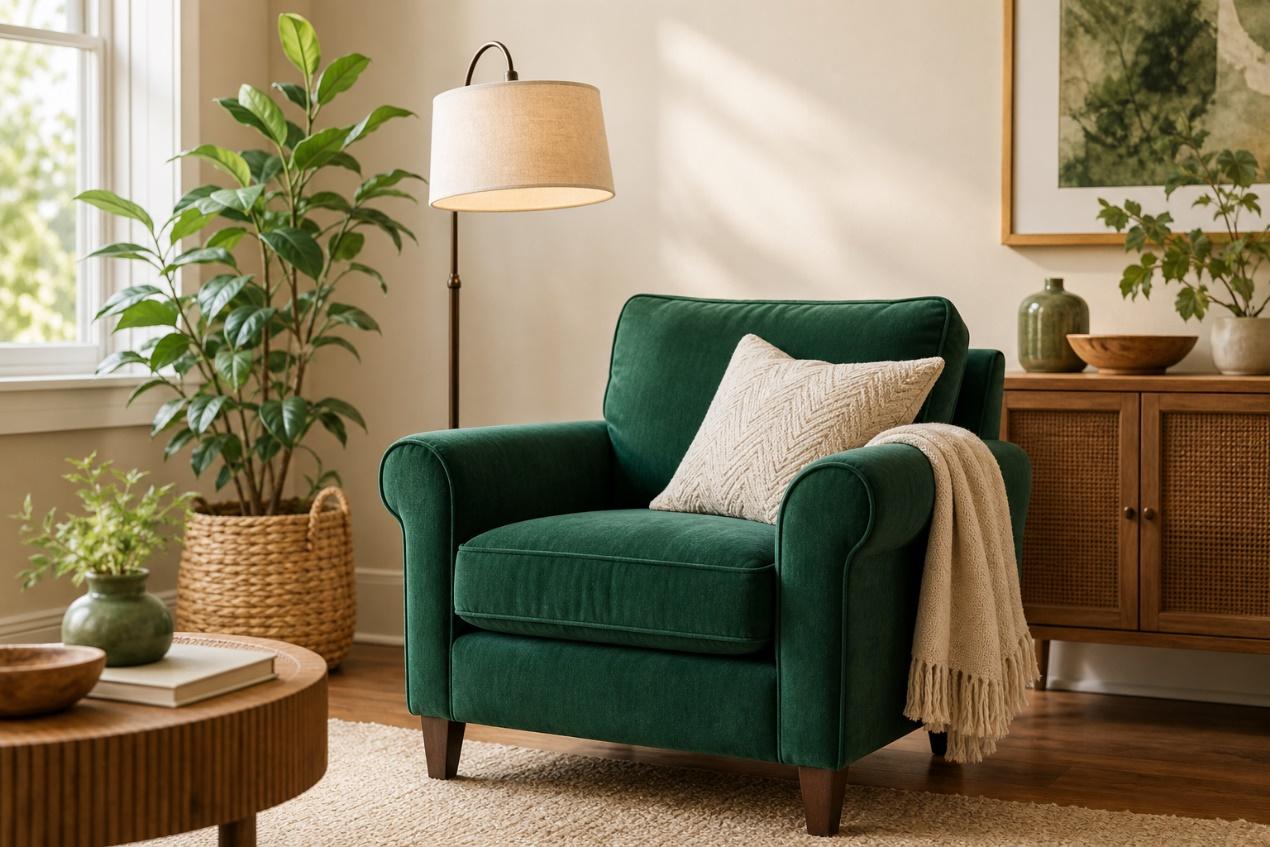
A reading chair, for example, may become linked to evening relaxation. A dining table may signal family interaction rather than screen time. Even the placement of storage solutions can encourage organization by making certain actions easier to repeat.
When spaces remain relatively stable, these associations strengthen. Constantly changing layouts or introducing unnecessary complexity can interrupt established patterns and require additional mental effort.
Why Consistency Reduces Decision Fatigue
Modern life requires countless decisions every day. From work responsibilities to household management, mental energy is continuously consumed by choices.
A familiar environment helps reduce some of this burden. People know where items belong, how rooms function, and where activities typically occur. This level of predictability creates efficiency.
Instead of spending time searching for misplaced objects or deciding where to complete a task, attention can shift toward the task itself. The result is often greater productivity and less frustration.
Consistency does not mean a home must remain unchanged forever. Rather, it suggests that functional elements should support routines instead of competing with them.
The Role of Furniture in Behavioral Patterns
Furniture does more than filling a room. It establishes pathways, gathering points, and activity zones.
A workspace positioned near natural light may encourage longer periods of concentration. Comfortable seating arranged in a conversational format can increase interaction among family members and guests. Strategic placement of storage pieces can make the organization feel effortless.
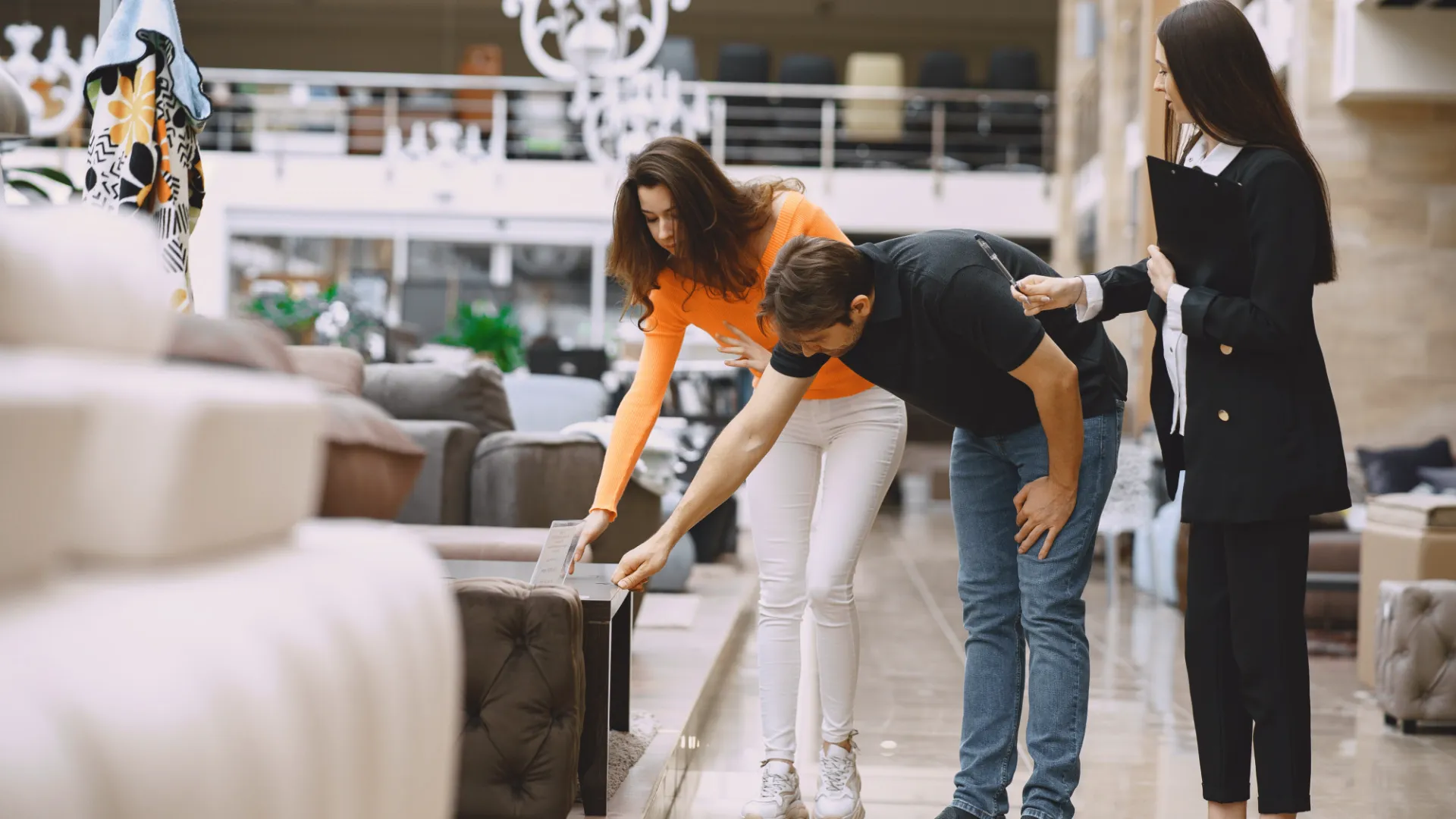
In many communities, people exploring options at a furniture store in Portland, Maine are not simply choosing products. They are selecting pieces that will influence how rooms function for years. The arrangement and purpose of those furnishings often have a lasting impact on everyday habits.
Because furniture occupies significant physical and visual space, it becomes part of the environmental cues that shape behavior.
Familiarity Creates Comfort During Change
Life rarely remains static. New jobs, growing families, aging household members, and shifting schedules all introduce change. During periods of transition, familiar surroundings can provide stability.
This effect is particularly noticeable after stressful events. Returning to recognizable spaces often helps people regain a sense of control. The arrangement of a room, the location of frequently used objects, and established routines can create reassurance when other aspects of life feel uncertain.
Psychologists sometimes refer to this phenomenon as environmental anchoring. Familiar settings offer reference points that help individuals adapt to new circumstances without feeling overwhelmed.
Small Design Choices Can Reinforce Positive Habits
Not every environmental influence comes from major design decisions. Small choices often produce meaningful results.
Open shelving can encourage regular use of books or hobby materials. Entryway storage can simplify organization and reduce clutter. Well-placed seating can create natural opportunities for conversation. Accessible work surfaces can support creative projects or household tasks.
These subtle adjustments work because they align physical surroundings with intended behaviors. When an action becomes easier to perform, people are more likely to repeat it consistently.
The opposite is also true. Habits often weaken when environments create friction or unnecessary obstacles.
Balancing Function and Identity
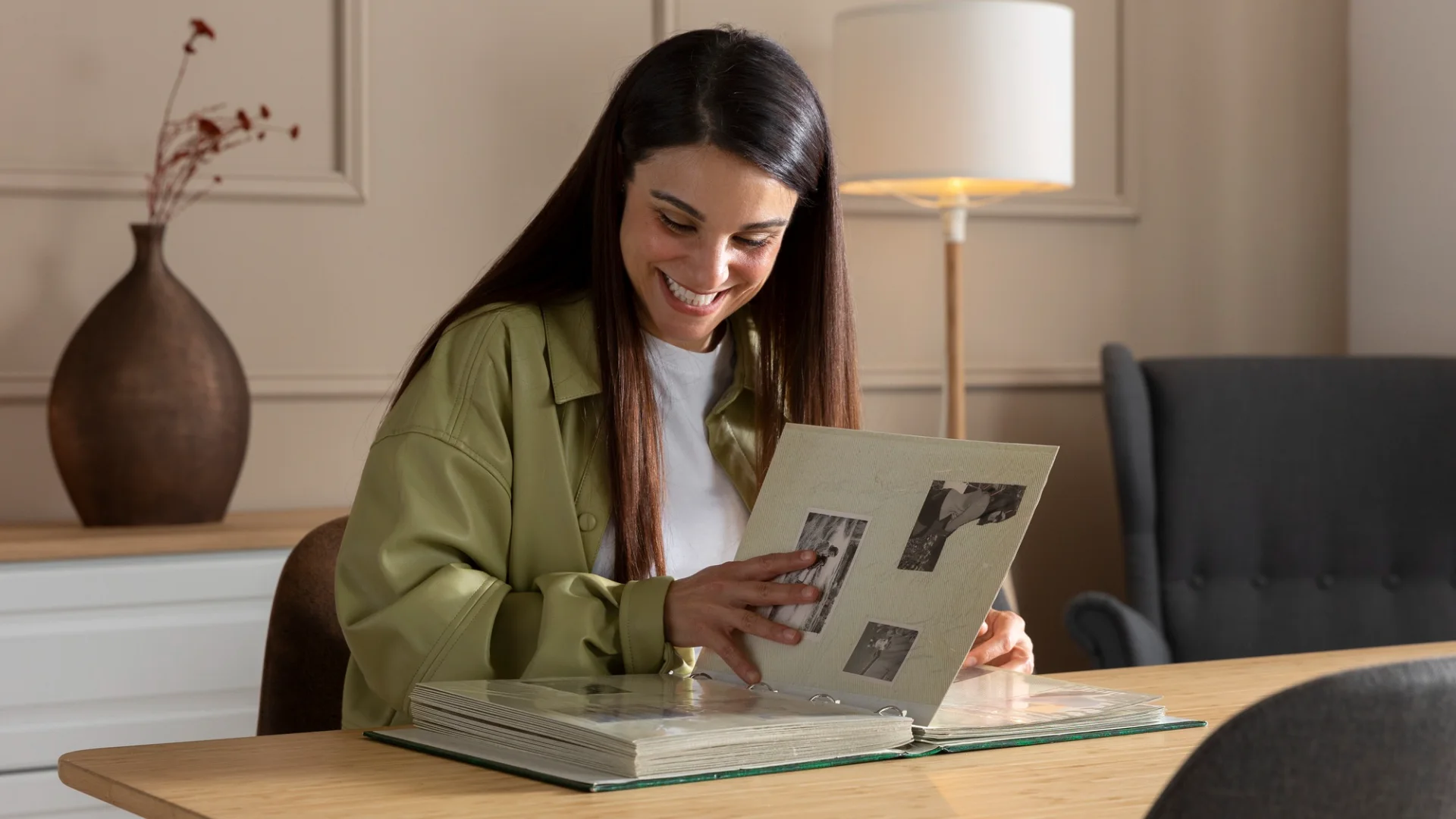
A home serves practical needs, but it also reflects personal identity. Familiar spaces often become meaningful because they represent experiences, memories, and routines accumulated over time.
Certain objects may hold emotional significance. Layouts may remind people of important stages of life. Even minor details can contribute to a feeling of belonging.
This emotional connection strengthens attachment to space and encourages long-term satisfaction. People tend to feel more comfortable in environments that support both their daily activities and their sense of self.
The Lasting Value of Familiar Spaces
Creating a supportive environment does not require chasing trends or constantly reinventing rooms. In many cases, the most effective spaces are those that quietly reinforce positive routines through consistency and thoughtful organization.
Familiar surroundings help reduce decision fatigue, strengthen habits, and provide stability during periods of change. They influence behavior in subtle ways that often go unnoticed, yet their impact can be significant over time.
When spaces are designed to support everyday life rather than distract from it, they become more than collections of rooms. They become reliable frameworks for living, helping daily habits develop naturally and endure.