Replacing a roof is one of the most significant investments a homeowner can make. Roof replacement costs vary based on factors such as the roof's size, materials used, labor requirements, and the overall condition of the structure. Understanding these factors can help homeowners budget wisely and avoid unexpected expenses.
Many homeowners start researching costs only after noticing leaks, missing shingles, or visible roof damage. However, planning can make the process much less stressful and help you make informed decisions when the time comes.
Working with an experienced roofing company such as Dream Home Roofers can also provide a clearer picture of what your project may cost. After all, professionals can assess your roof's condition and recommend solutions that fit your needs and budget.
Factors That Affect Roof Replacement Costs
No two roofing projects are exactly alike. Several variables can influence the final price of a roof replacement.
Roof Size and Complexity
Larger roofs require more materials and labor, naturally increasing costs. Roofs with multiple slopes, valleys, chimneys, or skylights may also require additional work, which can impact pricing.
Roofing Material Selection
The material you choose plays a major role in determining the overall cost. Common options include:
- •Asphalt shingles
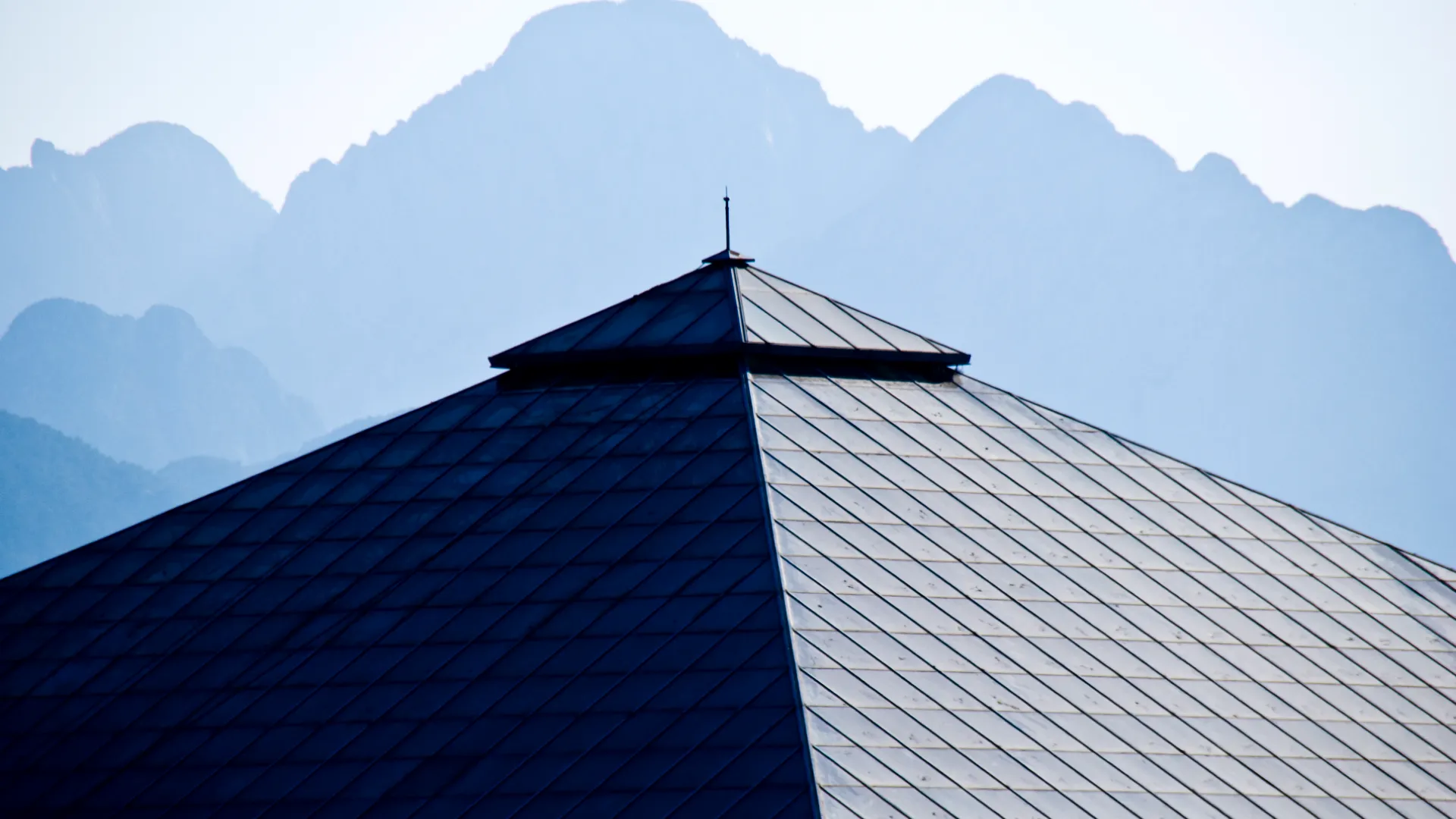
- •Metal roofing
- •Clay or concrete tiles
- •Slate roofing
- •Wood shakes
While some materials have a higher upfront cost, they may offer greater durability and longer lifespans.
The Importance of Roof Removal and Repairs
Many homeowners focus only on the cost of new materials. However, removing the existing roof and addressing underlying issues can significantly affect the final bill.
If contractors discover damaged decking, water intrusion, or structural concerns beneath the old roof, repairs will likely be necessary before installation can continue. Although this adds expense, it helps prevent larger problems in the future.
Why Labor Costs Matter
Labor is a major component of any roof replacement project. Experienced roofing professionals bring the skills, equipment, and safety practices needed to complete the work properly.
A reputable roofing company often provides better workmanship, quality materials, and warranties that can save money over time.
Questions to Ask Before Hiring a Roofing Company
Before signing a contract, consider asking the following questions:
- •Are you licensed and insured?
- •What roofing materials do you recommend and why?
- •Does the estimate include debris removal?
- •What warranties are available?
- •How long will the project take?
Getting clear answers upfront can help prevent misunderstandings and unexpected costs later.
How to Budget for a Roof Replacement
A little preparation can go a long way when budgeting for a new roof.
Some practical steps include:
- •Request multiple written estimates
- •Set aside a contingency fund for hidden repairs
- •Compare material options carefully
- •Review warranty coverage
- •Schedule inspections before problems worsen
Taking these steps can help you make a confident and financially sound decision.
Key Takeaways
- •Roof replacement costs depend on the roof's size, materials, labor, and condition.
- •Complex roof designs generally cost more to replace.
- •Hidden damage beneath old roofing can increase expenses.
- •Choosing a reputable roofing company can improve long-term value.
- •Comparing estimates and planning helps homeowners avoid surprises.
- •Investing in quality materials and workmanship often pays off over the life of the roof.
A roof replacement may seem expensive, but it can protect your most valuable assets. Understanding the factors that influence costs allows homeowners to plan effectively and make choices that provide lasting protection and peace of mind.