There’s something refreshing about the arrival of the monsoon. The cooler breeze, the smell of rain, and the break from scorching temperatures make the season enjoyable. But while you may welcome the rain, your home often faces a completely different experience. Heavy downpours, strong winds, clogged drainage systems, and constant moisture can quietly damage different parts of your property before you even notice a problem.
A small roof leak can become a stained ceiling. Water collecting near the foundation can weaken your home's structure. Damp walls may encourage mold growth, while blocked gutters can send rainwater exactly where it shouldn't go. The best way to avoid expensive repairs is to prepare before the rainy season reaches its peak. A few well-planned improvements can help your home stay dry, safe, and comfortable no matter how intense the weather becomes.
Here are some home upgrades that can help your property stand up to the challenges of monsoon season.
Check Your Gutters
Gutters don't get much attention until they're overflowing. Leaves, twigs, and dirt build up surprisingly fast, stopping rainwater from flowing where it should. Instead, water spills down the sides of your home, soaks the walls, and collects around the foundation.
Cleaning them before the monsoon is a smart habit, but don't stop there. Look for sagging sections, rust, cracks, or joints that leak whenever it rains. If repairs have become a yearly chore, replacing the entire system often makes more sense. Hiring a trusted company that specializes in seamless gutter installation gives you longer gutter runs with fewer joints, which means fewer leaks and smoother drainage during heavy rainfall.
Inspect Your Roof
Your roof takes the biggest hit every time it rains. Missing shingles, cracked flashing, or loose tiles may not seem serious on a sunny day, but once the rain starts, they can let water straight into your attic or ceiling. That's when stains appear, insulation gets soaked, and repair costs climb.
Walk around your home and look for anything that seems out of place. If your roof has been there for years, a professional inspection is worth booking before the season begins.
Seal Windows and Doors Against Water Intrusion
Rain doesn't need a huge opening to get inside. Tiny gaps around windows and doors can invite moisture into your home, especially when strong winds push rain sideways. Before long, paint begins peeling, wooden frames swell, and damp smells settle into the room.
Take a close look at the caulking and weatherstripping around every opening. If they're cracked, brittle, or pulling away, replace them before the rainy season begins. It's a simple project that helps keep water outside while also stopping humid air from making your home feel sticky indoors.
Improve Yard Drainage
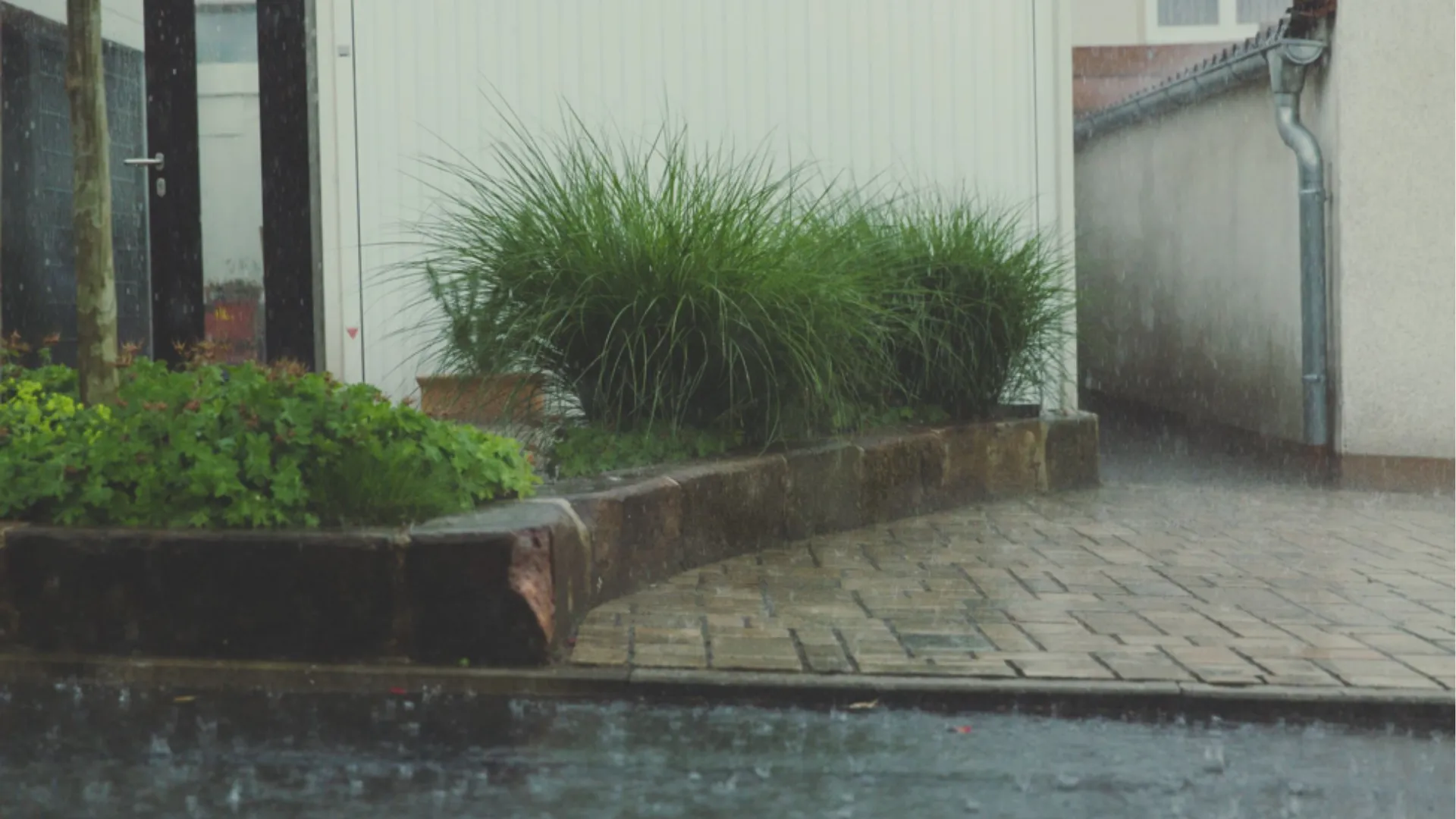
Your yard should move rainwater away from your home, not toward it. If puddles sit near the walls for days after a storm, your drainage needs attention. Standing water puts extra pressure on the foundation and creates muddy areas that are difficult to use. Check the slope around your home. Soil should gently direct water away from the structure instead of trapping it nearby.
Upgrade Exterior Walls With Weather-Resistant Protection
Your exterior walls stand between your family and the weather every single day. Cracked paint, damaged siding, or worn-out sealant gives moisture an easy path inside. Once water gets behind those surfaces, it can stain interior walls and encourage mold to grow.
Walk around your home and inspect the exterior closely. Seal visible cracks, replace damaged siding panels, and repaint areas where the protective finish has worn away. Water-resistant coatings create another layer of defense and help your home's exterior handle repeated rain without absorbing unnecessary moisture.
Waterproof Your Basement or Crawl Space
Basements and crawl spaces often collect moisture first because they're closest to the ground. Once water gets in, it doesn't leave quickly. Damp air can leave boxes smelling musty, damage stored belongings, and create the perfect conditions for mold.
Have a look at the walls and floor for small cracks or signs of previous water stains. Waterproof sealants can help stop minor seepage, while a sump pump is worth considering if your area regularly gets heavy rain. Better ventilation also helps reduce humidity, keeping the space dry instead of turning it into a damp storage room you avoid visiting.
Trim Trees and Secure Outdoor Features
A healthy tree adds beauty to your yard until strong winds arrive. Loose branches can snap without warning, damaging roofs, windows, fences, or even parked vehicles. Outdoor furniture and lightweight decorations can become projectiles during a storm if they're left unsecured.
Take some time to trim dead or weak branches before the rainy season begins. If a large tree hangs directly over your roof, have it inspected by a professional. Store lightweight furniture indoors when severe weather is expected and check that sheds, gates, and fences are firmly secured. These simple jobs can prevent costly damage after one windy afternoon.
Protect Electrical Systems From Rain-Related Hazards
Water and electricity never belong together. A small leak near wiring or electrical outlets can quickly become a serious safety concern. That's why it's worth checking areas where rainwater could enter your home before storms become frequent.
Look around your electrical panel for signs of moisture and inspect outdoor outlets to confirm their covers seal properly. If lights flicker during rain or you've noticed water near electrical fixtures, don't wait for another storm. Call a licensed electrician to inspect the system. Installing whole-home surge protection is another smart upgrade, especially in areas where lightning and power outages are common during the monsoon.
Create a Seasonal Home Maintenance Routine That Keeps You Ready
You don't have to remember every maintenance task all at once. A simple checklist before monsoon season keeps everything manageable. Spend one weekend inspecting your roof, cleaning gutters, checking seals around windows, trimming trees, and testing drainage. Small tasks completed regularly are far easier than dealing with multiple repairs after weeks of heavy rain.
Keep basic supplies on hand too. Flashlights, batteries, tarps, waterproof storage bins, and emergency contact numbers are all worth having in one place. When the forecast suddenly changes, you won't be rushing to prepare because you've already done the hard work.
Every rainy season tells a story about how well a home was prepared. Homes that receive a little attention before the first storm usually come through with far fewer surprises. Water flows where it should, walls stay dry, and small problems never get the chance to become expensive repairs. Think of these upgrades as part of caring for your home year after year. When the clouds roll in and the rain starts falling, you'll be able to enjoy the weather from the comfort of a home that's ready for whatever the season brings.