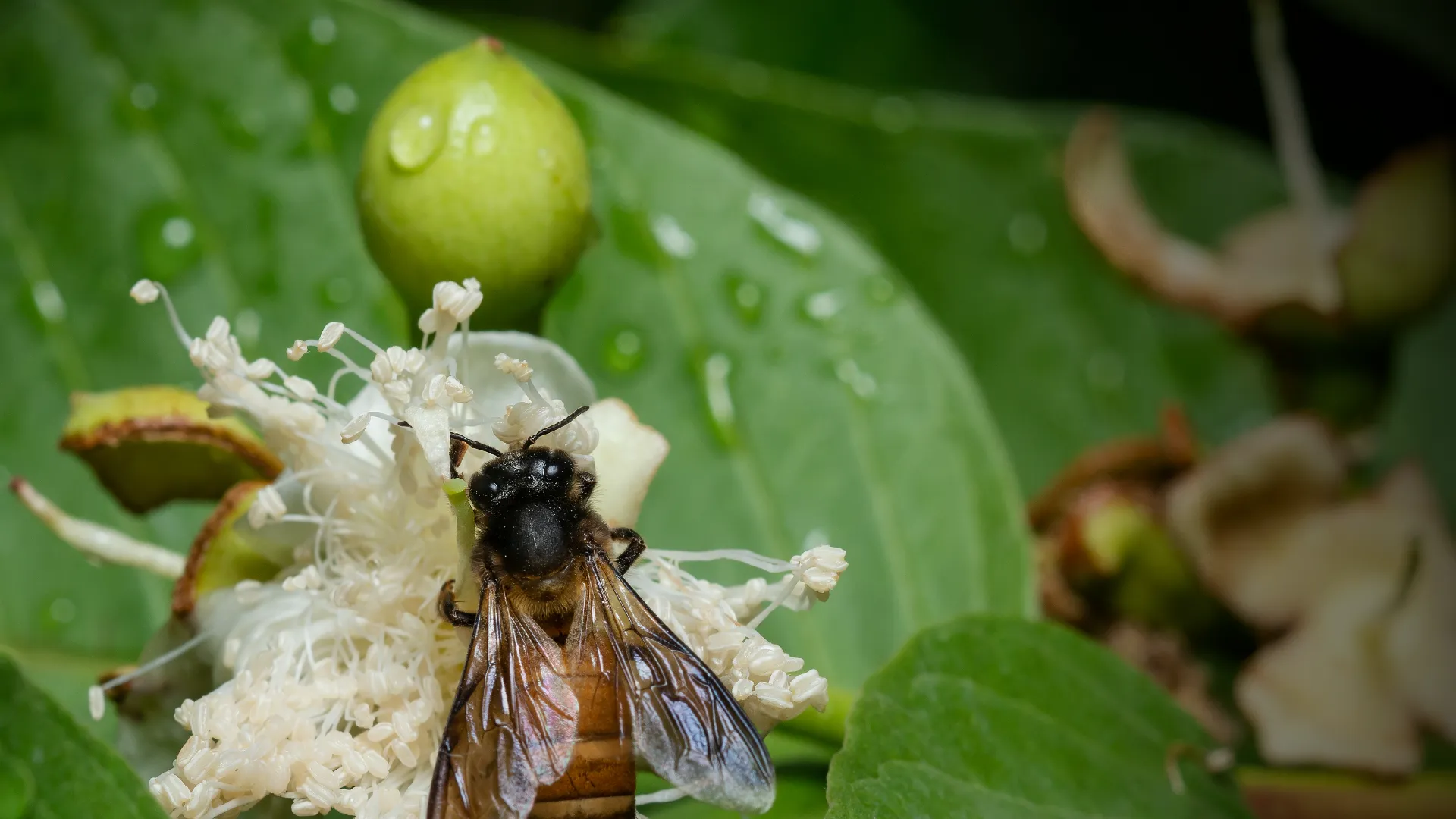
Pest problems rarely begin with a dramatic discovery. More often, they start with a faint scratching sound behind a wall, a few unexplained crumbs in a cupboard or a single insect appearing where it should not be. These signs may seem harmless at first, but they can indicate that pests have already found food, water or shelter inside your home.
The earlier you recognize the warning signs, the easier it usually is to prevent a minor issue from becoming a widespread infestation. Regular observation is especially important because many household pests are nocturnal, remain hidden during the day or reproduce in areas that are difficult to inspect.
Knowing what to look for can help you respond before pests contaminate food, damage property or spread into additional rooms.
Pay Attention to Unusual Sounds
One of the earliest indications of a pest problem may be something you hear rather than see.
Scratching, scurrying or rustling sounds inside walls, ceilings or cabinets can suggest rodents or other small animals moving through hidden spaces. These noises are often more noticeable at night when the house is quiet and nocturnal pests become active.
Listen carefully around:
- •Attics and ceiling cavities
- •Basements and crawl spaces
- •Kitchen cabinets
- •Walls near plumbing lines
- •Storage rooms
- •Garages and utility areas
A repeated sound from the same location deserves attention. Building materials naturally expand and contract, but persistent scratching or movement usually has a different rhythm.
Buzzing inside a wall or roofline may indicate a wasp or bee nest. Tapping and faint chewing sounds can also result from rodents gnawing on wood, insulation or wiring.
Look for Droppings and Urine Marks
Droppings are among the clearest signs that pests are entering or living inside a property. They are commonly found close to food, nesting areas and travel routes.
Check beneath sinks, behind appliances and along the edges of cabinets. Rodents tend to move close to walls rather than crossing open spaces, so droppings may appear around baseboards and room corners.
Cockroach droppings may resemble pepper, coffee grounds or small dark smears. Larger insects and wildlife leave different evidence, which is why photographs or samples can sometimes help with identification.
Fresh rodent droppings generally appear darker and softer than older ones. However, droppings should never be handled with bare hands. Public health guidance recommends taking precautions when cleaning areas contaminated by rodents. The Public Health Agency of Canada advises against sweeping or vacuuming dry rodent droppings because doing so can release contaminated particles into the air.
Urine stains may also appear beneath appliances or near walls. Under certain conditions, rodent urine can produce a strong, stale odour or leave greasy-looking marks on surfaces.
Check Food Packages and Storage Areas
Pests are drawn to easy food sources. Even a small amount of spilled cereal, pet food or cooking grease can support insect or rodent activity.
Inspect food packaging for:
- •Small holes or tears
- •Gnawed corners
- •Loose crumbs beneath containers
- •Webbing inside dry goods
- •Insects inside flour, rice, cereal or pasta
- •Damaged pet food bags
- •Unexplained food scattered across shelves
Pantry moth larvae can leave fine webbing inside packages, while beetles may be found in grains, spices, nuts and dried foods. Rodents can chew through paper, cardboard and lightweight plastic packaging.
Discard products that appear contaminated and inspect nearby packages, even when they look unopened. Pantry pests can move between products through very small openings.
If signs continue appearing after food has been removed and shelves have been cleaned, the pests may be nesting elsewhere. At that point, consulting pest control specialists in Alberta can help determine the species involved, locate hidden activity and identify the conditions allowing the problem to continue.
Watch for Gnawing, Holes and Structural Damage
Rodents have continuously growing teeth and must gnaw regularly. As a result, chew marks are an important warning sign.
Look for damage around:
- •Wooden trim
- •Cabinet corners
- •Cardboard boxes
- •Plastic containers
- •Pipes and insulation
- •Electrical wiring
- •Garage door seals
- •Openings around utility lines
Fresh gnaw marks may appear lighter than the surrounding material. Over time, they can darken as they collect dirt and oils.
Damage to electrical wiring should be treated seriously because exposed wires may increase the risk of outages, equipment failure or fire. A qualified electrician may need to inspect affected wiring after the pest problem has been addressed.
Small openings around foundations, vents and pipes can also serve as entry points. Mice can enter through surprisingly narrow gaps, so do not assume that a hole is too small to matter. The Centers for Disease Control and Prevention recommends checking both the inside and outside of a building for gaps and sealing possible entry points.
Notice Persistent or Unfamiliar Odours
Pests can create distinct smells that are easy to overlook when they develop gradually.
A musty, oily smell may be associated with cockroach activity. Rodent urine can create a sharp or stale odour, particularly in enclosed areas. A sweet or unpleasant smell around beds and upholstered furniture may accompany a significant bed bug problem.
A strong decaying smell can indicate that an animal has died inside a wall, attic, chimney or crawl space. Flies appearing in the same area may provide another clue.
Do not simply cover an unexplained odour with air freshener. Try to identify its source, especially when the smell is strongest near cabinets, vents, walls or storage spaces. Persistent smells can point toward hidden nesting areas even when no live pests are visible.
Look for Nests and Nesting Materials
Many pests collect materials to build protected nesting areas. Rodents often use shredded paper, fabric, insulation, cardboard and dried plant matter.
Common nesting locations include:
- •Attics
- •Wall cavities
- •Basements
- •Garages
- •Storage boxes
- •Areas behind appliances
- •Spaces beneath cabinets
- •Seldom-used drawers
A pile of shredded material in a quiet corner may appear insignificant, but it can indicate ongoing activity. Nearby droppings, food debris or gnaw marks make the evidence more concerning.
Wasps may construct nests under eaves, inside sheds, around decks or within wall voids. Increasing insect traffic around one exterior opening often signals that a nest is nearby.
Avoid disturbing an active nest without understanding what species built it. Some insects become defensive when their nest is threatened, and people with allergies may face a serious health risk from stings.
Track Insect Activity Instead of Dismissing One Sighting
Seeing one insect does not always mean there is an infestation. However, the type of insect, where it appears and how often you see it all matter.
A single ant near an open door may have wandered inside. A repeated line of ants travelling between a wall crack and the kitchen usually indicates an established foraging trail.
Cockroaches seen during the day can be especially concerning because they generally prefer dark, hidden areas. Daytime activity may mean their hiding spaces are crowded or disturbed.
Bed bugs are another pest that may remain unnoticed for weeks. Watch for:
- •Small reddish or rust-coloured stains on bedding
- •Dark spots along mattress seams
- •Shed insect skins
- •Small eggs or eggshells
- •Unexplained bites that appear after sleeping
- •Live insects around bed frames and headboards
Bites alone cannot confirm which pest is responsible. Skin reactions vary, and several insects can produce similar marks. Physical evidence around the sleeping area is more useful for identifying the cause.
Sticky monitoring traps can help reveal insects travelling through kitchens, bathrooms and basements. They are primarily monitoring tools and may not eliminate the source of an infestation.
Examine Pet Areas Carefully
Pets can unintentionally bring fleas, ticks and other pests indoors. Their food and water can also attract ants, flies, cockroaches and rodents.
Inspect pet bedding, feeding areas and favourite resting spots. Excessive scratching, biting at the skin or hair loss may warrant a veterinary examination.
Flea dirt often looks like small black particles in an animal’s coat or bedding. When placed on a damp white tissue, it may produce a reddish-brown stain because it contains digested blood.
Store pet food in sealed, durable containers rather than leaving it in its original paper or plastic bag. Clean spilled food promptly and avoid leaving bowls of uneaten food out overnight.
Outdoor pet shelters should also be inspected for nests, droppings and damaged materials. Pests may establish themselves close to a reliable food source before eventually entering the home.
Check the Exterior of Your Property
An indoor pest problem often begins outdoors. A careful exterior inspection can reveal why pests are approaching the building and how they may be entering.
Walk around the property and look for:
- •Cracks in the foundation
- •Damaged window or door screens
- •Gaps beneath exterior doors
- •Openings around pipes and cables
- •Missing vent covers
- •Damaged rooflines
- •Branches touching the building
- •Firewood stacked against exterior walls
- •Standing water
- •Overflowing garbage or recycling containers
Vegetation growing directly against a building can provide shelter and make it easier for pests to reach cracks, windows and rooflines. Keep shrubs trimmed and move firewood, lumber and unnecessary clutter away from the foundation.
Ensure downspouts carry water away from the building. Moisture around the foundation can attract insects and contribute to conditions that allow pests to thrive.
Alberta residents who believe they have seen a rat should review the province’s Rat Control Program. Alberta does not have an established resident rat population, but occasional rats do arrive through transportation and other routes, making prompt reporting important.
Be Alert to Seasonal Changes
Pest activity often changes with the weather.
During autumn and winter, rodents and some insects search for warmer shelter. Small gaps that caused no noticeable problem during summer may become active entry points as temperatures fall.
Spring can bring ants, nesting wasps and increased wildlife activity. Warmer weather may also reveal insects that have remained dormant in walls, attics or basements.
Heavy rain can drive ants, rodents and other pests from outdoor nesting sites. Extended dry periods may encourage insects to enter homes in search of water.
Seasonal movement does not mean pests should be considered normal indoors. Instead, it provides a useful reminder to inspect doors, windows, rooflines and foundations before changing weather pushes pests inside.
Recognize When a Small Problem Is Growing
The number of pests you see does not always reflect the true size of the problem. Many species remain concealed for most of the day, so visible activity may represent only a fraction of the population.
Signs that a problem may be spreading include:
- •Droppings appearing in several rooms
- •Increasing insect sightings
- •Repeated activity after cleaning
- •Multiple damaged food packages
- •New noises in different walls or ceilings
- •Stronger or more widespread odours
- •Pests appearing during daylight
- •Evidence returning shortly after traps are placed
Keep a simple record of what you find, including dates, locations and photographs. This can reveal patterns and help determine whether control measures are working.
Repeatedly applying household sprays without identifying the pest may make the problem harder to assess. Some insects can spread into new areas when disturbed, while certain products may only kill the pests that are visible.
Use a Prevention-First Approach
Effective pest management involves more than eliminating individual insects or rodents. It requires removing the food, water and shelter that allow them to survive.
This prevention-based approach is often described as integrated pest management. The United States Environmental Protection Agency explains that prevention, monitoring and careful selection of control methods can reduce pest risks while limiting unnecessary pesticide use.
Practical preventive steps include:
- •Sealing food in sturdy containers
- •Cleaning spills and crumbs promptly
- •Repairing plumbing leaks
- •Emptying household garbage regularly
- •Reducing clutter in storage areas
- •Sealing cracks and utility openings
- •Installing door sweeps
- •Repairing damaged screens
- •Cleaning beneath appliances
- •Inspecting second-hand furniture before bringing it indoors
Pesticides should not be treated as a substitute for sanitation and repairs. Always read and follow the product label, and keep pest control products away from children, pets and food preparation areas. Health Canada provides additional pest control guidance for common household pests and the safe use of control products.
Know When Professional Help Is Needed
Some isolated pest sightings can be addressed through cleaning, exclusion and monitoring. Other situations require a more thorough inspection.
Professional assistance may be appropriate when:
- •You cannot identify the pest
- •Activity continues despite preventive measures
- •Rodents or insects are present in several rooms
- •A nest is located inside a wall or roof
- •Wiring or structural materials have been damaged
- •Bed bugs or cockroaches are suspected
- •Stinging insects are close to entrances or living areas
- •Children, pets or vulnerable adults may be exposed
- •Pesticide use would be difficult to manage safely
A proper inspection should do more than identify the visible pest. It should examine entry points, moisture, food sources, nesting areas and surrounding conditions. Addressing these factors is what helps prevent the same problem from returning.
Early Action Keeps a Small Problem Small
Pest infestations are much easier to manage before they spread through a home. Scratching sounds, droppings, damaged packaging, unusual odours and repeated insect sightings should not be ignored simply because the problem still appears minor.
Inspecting your property regularly can help you recognize changes before they lead to contamination or costly damage. Focus on kitchens, basements, attics, storage rooms, garages and exterior entry points, where the earliest evidence is most likely to appear.
The most effective response combines observation, sanitation, repairs and appropriate control methods. By acting on the first reliable warning signs, you can protect your home and avoid allowing a manageable pest issue to grow into a much larger one.