Every move has them the items that make you dread the whole process. The refrigerator wedged into a tight kitchen, the sofa that barely fit through the door the first time, the workshop full of equipment, the safe nobody remembers how they got upstairs. Heavy and bulky objects are where moves go wrong, where injuries happen, and where well-meaning DIY efforts turn into damaged floors, broken belongings, or trips to urgent care. Knowing how to handle these items safely and when to step back and call professionals can save you pain, money, and a great deal of frustration.
This guide covers practical techniques for moving heavy items yourself and the signs that a job is better left to the experts.
Respect the risk before you lift
Before tackling any heavy item, it's worth appreciating how genuinely dangerous improper lifting can be. In modern living, homes often feature larger furniture, multi-story layouts, and compact spaces that make moving heavy items even more challenging. Back injuries, crushed fingers, dropped loads, and falls on stairs are common, and many are serious. The combination of weight, awkward shapes, and tight spaces creates real hazards, and no piece of furniture is worth a long-term injury.
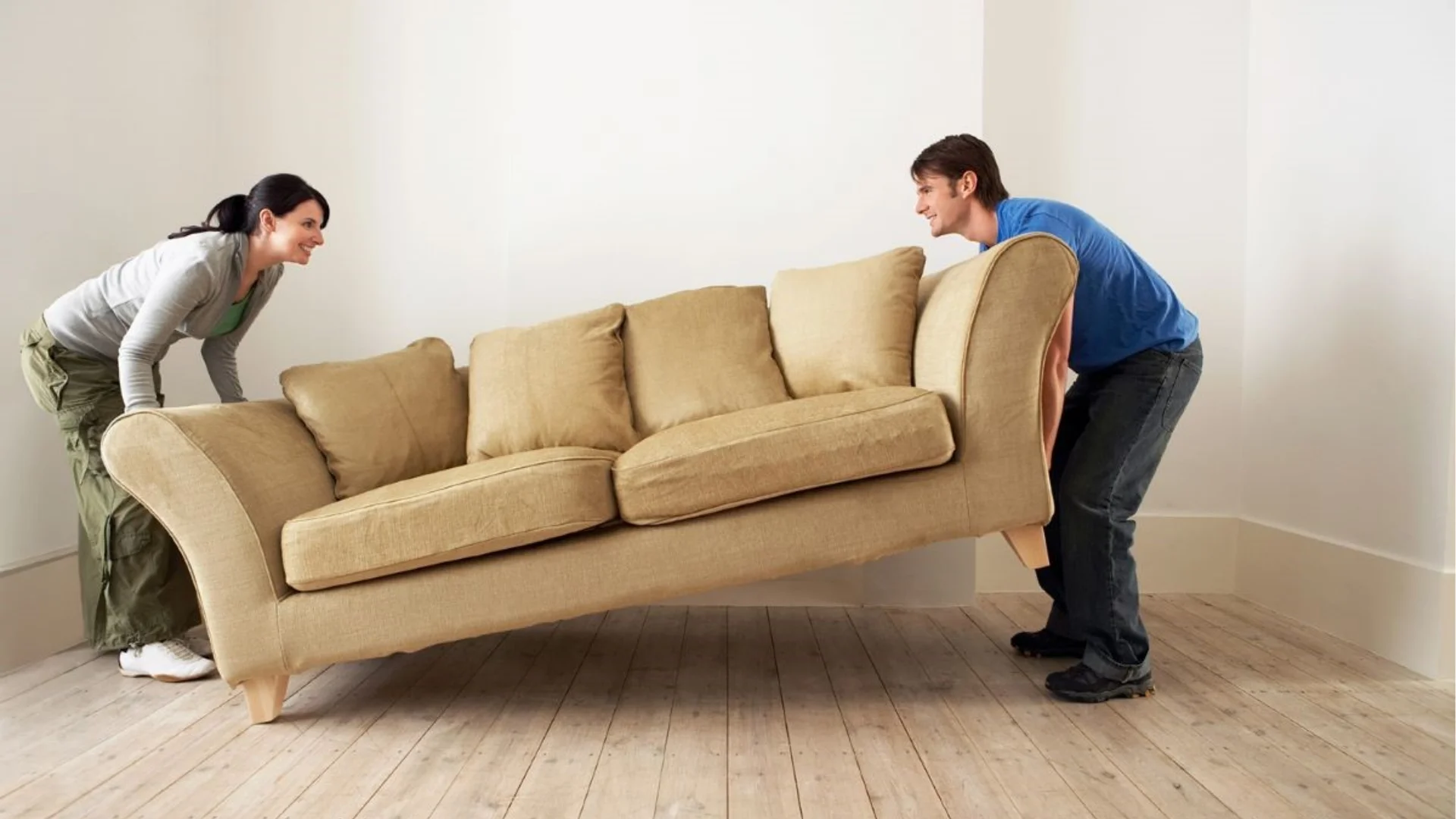
The good news is that technique matters far more than raw strength. Lifting with your legs rather than your back, keeping loads close to your body, clearing your path in advance, and never twisting while carrying weight all dramatically reduce the risk. For a thorough rundown of safe approaches, guides on how to move heavy objects by yourself can walk you through the methods that protect both you and your belongings. Taking a few minutes to learn proper technique before you start is one of the smartest investments you can make.
The right tools make all the difference
Professional movers don't rely on brute force, and neither should you. The right equipment turns a backbreaking task into a manageable one. A sturdy dolly or hand truck lets you roll heavy items instead of carrying them. Furniture sliders allow you to glide bulky pieces across floors without lifting or scratching surfaces. Moving straps and lifting harnesses redistribute weight and improve leverage, making heavy objects far easier to control.
Beyond the tools themselves, preparation is key. Measure doorways, hallways, and stairwells in advance to confirm an item will actually fit, and disassemble what you can removing legs, doors, or shelves to reduce both weight and bulk. Protect floors and walls with padding along the route. These steps take time, but they prevent the damage and frustration that come from improvising in the moment.
Know your limits
Even with good technique and the right tools, some jobs exceed what a DIY move can safely handle. Extremely heavy items, awkward objects that require multiple people moving in perfect coordination, and anything that must navigate steep or narrow stairs all push the limits of a self-move. When the risk of injury or damage starts to outweigh the savings, it's time to reconsider.
Certain items are almost always worth professional handling. Large appliances, safes, and specialized equipment combine significant weight with the potential for expensive damage. Industrial and commercial equipment in particular demands real expertise. Businesses relocating machinery, for example, often rely on companies offering chicago machinery movers trust, because heavy equipment requires specialized rigging, transport, and reinstallation that go well beyond what general labor can provide. Recognizing when a job exceeds your capacity isn't a failure; it's good judgment.
The hidden costs of doing it yourself
DIY moving seems cheaper on the surface, but the savings can be illusory once you account for everything. Renting equipment, buying supplies, taking time off work, and recruiting friends all carry costs. And those costs balloon if something goes wrong: a damaged floor, a broken item, or an injury that lands you in medical care. A single mishap can erase any savings several times over.
This is the calculation worth making before deciding to go it alone. For lighter items and shorter moves, DIY often makes sense. But as the weight, value, and complexity increase, the math shifts in favor of professionals who have the equipment, experience, and insurance to handle difficult jobs safely. Weighing the real costs honestly leads to better decisions.
Local knowledge helps with tricky moves
The challenge of moving heavy items is compounded by the specifics of your home and neighborhood. Tight urban streets, walk-up apartments, freight elevator schedules, and parking restrictions all complicate the logistics of getting a bulky object from point A to point B. A mover familiar with local conditions knows how to handle these realities efficiently.
This local expertise is genuinely valuable. A company experienced in a particular area understands its building types, parking situations, and practical quirks. If you're in the northwest suburbs, working with movers familiar with communities like those served by moving companies in elk grove village can mean the difference between a smooth job and a frustrating one, because they've navigated the same challenges many times before.
A smart hybrid approach
You don't have to choose between an entirely DIY move and a fully professional one. Many people find that a hybrid approach works best: handling the lighter packing and small items themselves while hiring professionals for the heavy, valuable, or awkward pieces. This balances cost savings with safety, letting you save money where it makes sense and pay for expertise where it matters most.
Thinking through your move item by item helps you decide where that line falls. The boxes of books and the kitchen supplies might be easy DIY work, while the piano, the safe, and the oversized sectional are best left to the pros. A thoughtful split often delivers the best of both worlds.
Protecting your home during the move
Heavy items don't just risk injury to the people moving them; they also threaten the home itself. Dragged across a floor, a heavy piece can gouge hardwood or tear carpet. Swung through a doorway, it can dent walls and crack trim. Dropped on a staircase, it can damage both the stairs and everything below. Protecting your property is as much a part of moving heavy items as protecting yourself.
A few precautions go a long way. Lay down floor runners or moving blankets along the path, pad doorframes and corners, and use sliders rather than dragging items directly. Clear the route completely before you begin so no one is forced to maneuver around obstacles while carrying a heavy load. These small steps prevent the kind of property damage that turns a successful move into an expensive repair project or, in more severe cases involving structural damage, an expensive construction project. They're especially worth taking in rentals, where damage can cost you a security deposit.
The bottom line
Heavy and bulky items are the hardest part of any move, and how you handle them determines whether the day goes smoothly or ends in damage and injury. Use proper lifting technique, invest in the right tools, and prepare your path carefully when moving items yourself. But know your limits, and don't hesitate to call professionals for the heaviest, most valuable, or most complex jobs, especially specialized equipment that demands real expertise. With the right approach and sometimes the right help even the most daunting items can be moved safely.