Creating exceptional meals on a flat-top cooking surface requires a solid understanding of thermal distribution. Many struggle with burning their delicate items or undercooking thicker cuts because they treat the entire metal plate as a single uniform heat zone. This article provides you with techniques to manage your cooking surface effectively so you can achieve perfect results with every meal you prepare.
Creating Distinct Thermal Zones Across the Metal Plate
The secret to managing ingredients lies in your ability to establish independent hot and cool sections across the surface of your cooking equipment. You can easily achieve this by turning your left-hand burners to a high setting while leaving the right-hand side on low. This setup gives you a searing hot space for locking in juices alongside a gentle warming area where delicate items can finish cooking safely.
Managing High Heat for Searing Thick Meats
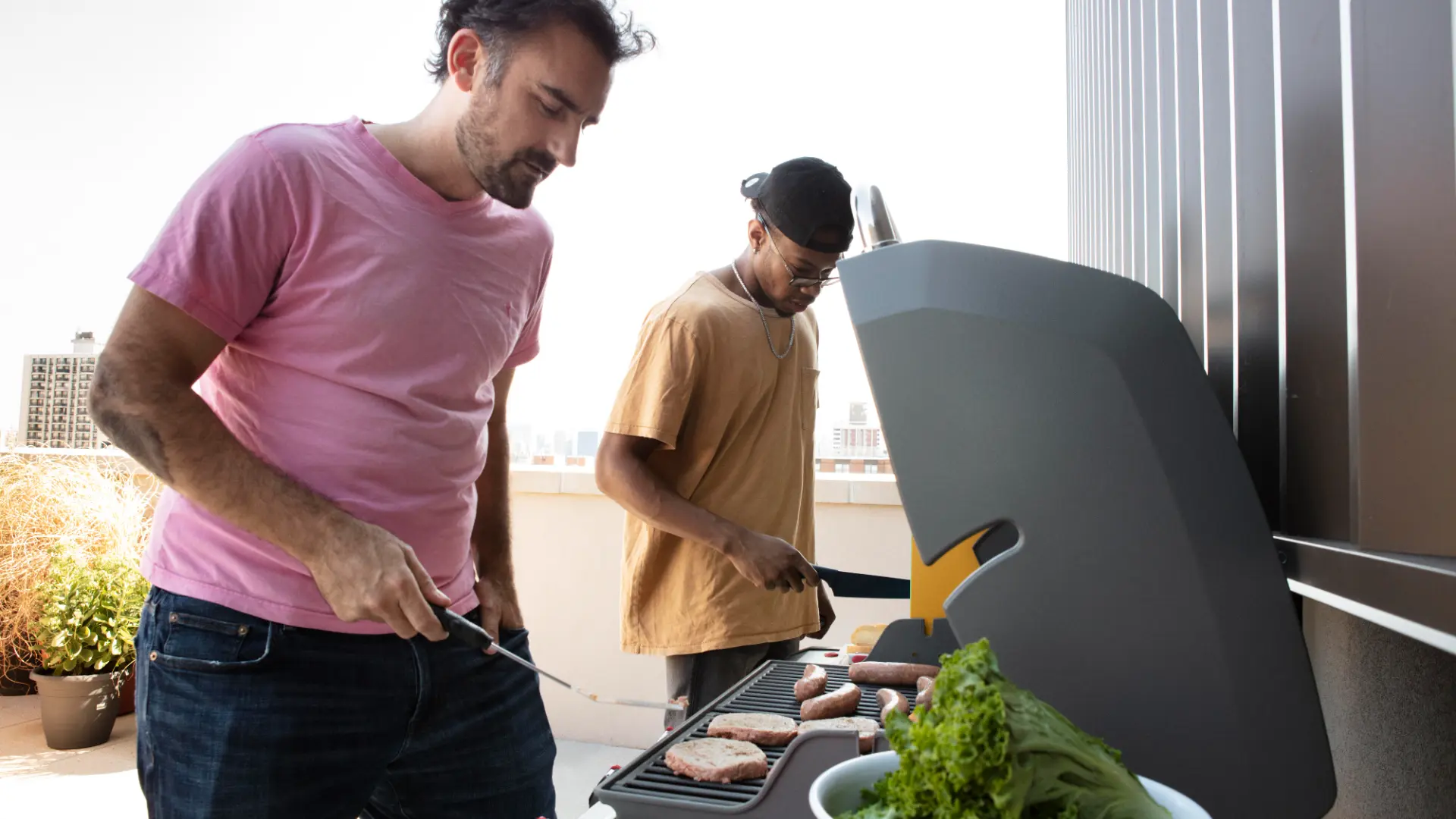
When you are preparing premium steaks or juicy burger patties, utilising intense heat is vital for developing a rich, flavourful crust. You should preheat your designated searing zone until the metal surface begins to shimmer slightly. Keeping the temperature consistently high during these minutes triggers the natural browning process that locks in moisture and enhances the texture of your food.
Adjusting to Medium Settings for Delicate Seafood and Vegetables
Thinner ingredients like fresh prawns require a much gentler touch because extreme heat will quickly dry them out. Dropping your burner settings to a moderate level ensures that the heat penetrates evenly through the food without destroying the natural textures. This temperature range allows you to toss your vegetables frequently and develop a sweet edge while keeping the interiors crisp and vibrant.
Utilising Lower Temperatures for Egg and Breakfast Items
Morning favourites like fried eggs need a very low and highly controlled environment to prevent the delicate mixtures from sticking. You should allow the griddle bbq to cool down significantly before applying a thin layer of cooking oil or fresh butter to the surface. Cooking your eggs slowly at this gentle pace ensures that the whites set firmly while the yolks remain beautifully soft and runny.
Understanding the Importance of Preheating Time
Allowing your equipment ample time to warm up before you place food on the plate is a step that impacts the success of your cooking session. Rushing this phase results in uneven hot spots and causes the metal to drop in temperature the moment cold ingredients touch the surface. Turn on your burners at least fifteen minutes before so the heavy metal can absorb and distribute the thermal energy evenly.
Monitoring the Cooling Effect of Cold Ingredients
Introducing a large batch of cold food straight from the refrigerator will instantly absorb heat from the metal plate and lower the surface temperature. When you overload a single section with too many ingredients at once, you risk stewing or steaming your food in its own juices. To counteract this natural drop, cook your items in smaller batches or slightly turn up the burners just before adding the food.
Maintaining Surface Cleanliness to Ensure Better Heat Transfer
Keeping the flat metal surface free of carbon buildup and old food residue is essential for achieving efficient thermal distribution during your sessions. A thick layer of burnt grease acts as an unwanted insulator, blocking the energy from reaching your fresh ingredients. Use a sturdy scraper to clean away debris after every single cook, followed by a light wipe of fresh oil to protect the metal from moisture.
Perfect Outdoor Cooking Results
Taking charge of your cooking surface through smart thermal management completely changes the way you approach outdoor meal preparation. By applying these straightforward concepts, you can easily handle everything from high-heat steaks to low-temperature eggs. Investing a little time into understanding how your equipment manages energy will quickly elevate your outdoor dining sessions.