Introduction
Your home is a reflection of your personality, but sometimes it can be difficult to figure out how to translate your tastes into a cohesive interior design. Finding your interior design style is key to creating a space that feels comfortable, functional, and truly yours. Whether you’re starting from scratch or refreshing your current space, understanding your style is the first step toward building a harmonious environment.
For more useful guides, explore our Cleaning section. For expert advice, check out our Diy guides.
Why Finding Your Interior Design Style is Important
Identifying your style simplifies decision-making. From choosing the right furniture to selecting color schemes, your design style helps narrow down options, making the process less overwhelming. Knowing your style also ensures your home feels cohesive rather than chaotic, bringing harmony and balance to every room. For expert advice, check out our Gardening guides.
1. Start by Identifying What You Love
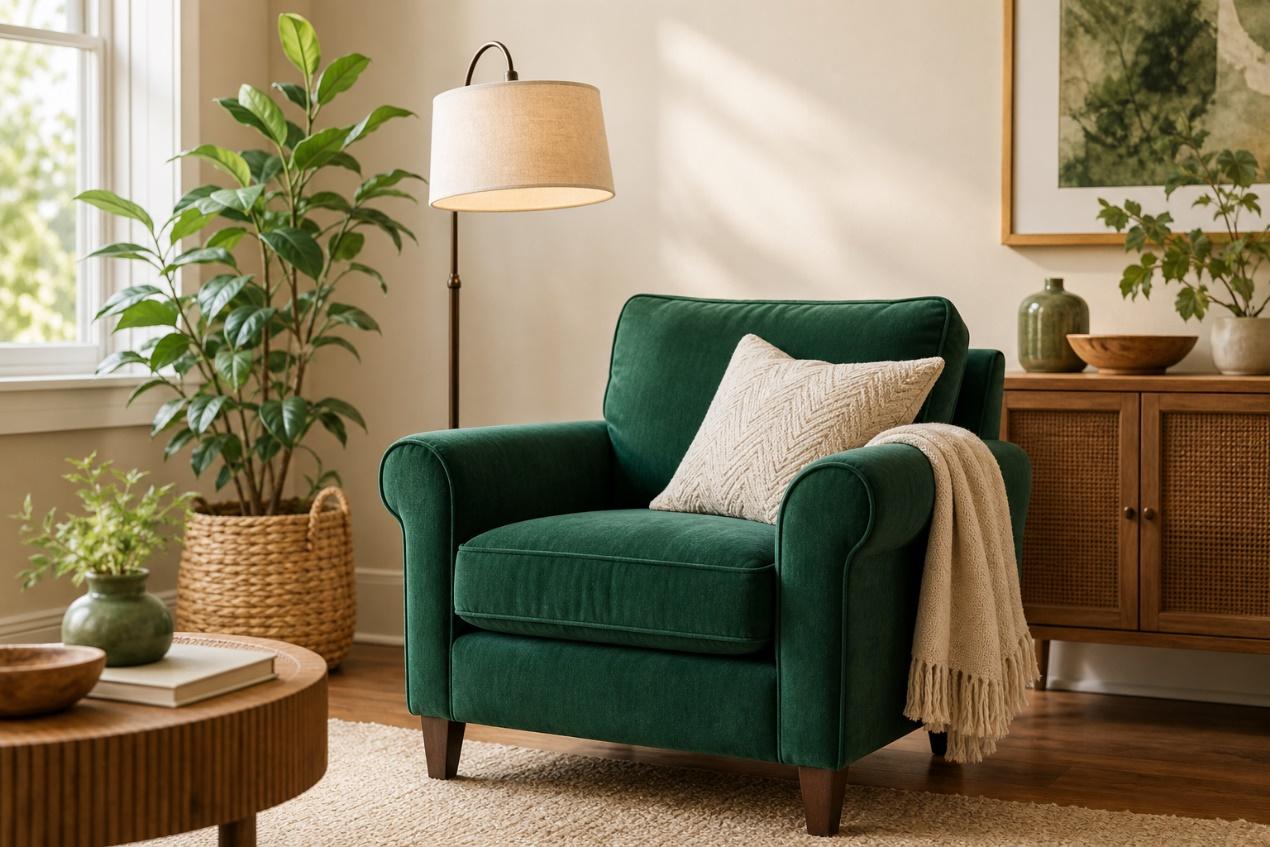
Reflect on the environments where you feel most comfortable. Use visuals to find patterns in your preferences:
- •Colors: Do you prefer warm, earthy tones or cool, neutral shades?
- •Textures: Are you drawn to plush fabrics, sleek metals, or natural wood?
- •Patterns: Do you gravitate toward geometric shapes, florals, or stripes?
2. Take a Style Quiz or Personality Test
Sometimes you need a little help pinpointing your taste. Many design websites and magazines offer quizzes that categorize your preferences into dominant styles, making it easier to choose a direction for your home.
3. Explore Popular Interior Design Styles
Minimalist
Emphasizes clean lines, neutral colors, and essential furniture to create a serene, clutter-free environment.
Modern
Rooted in the 20th century, featuring sleek lines, natural materials (wood/metal), and high functionality.
Traditional
A timeless aesthetic with rich colors like deep reds, wood paneling, and vintage-inspired craftsmanship.
Bohemian (Boho)
Eclectic and free-spirited. Combines ethnic prints, layered textiles, and plenty of indoor plants.
Industrial
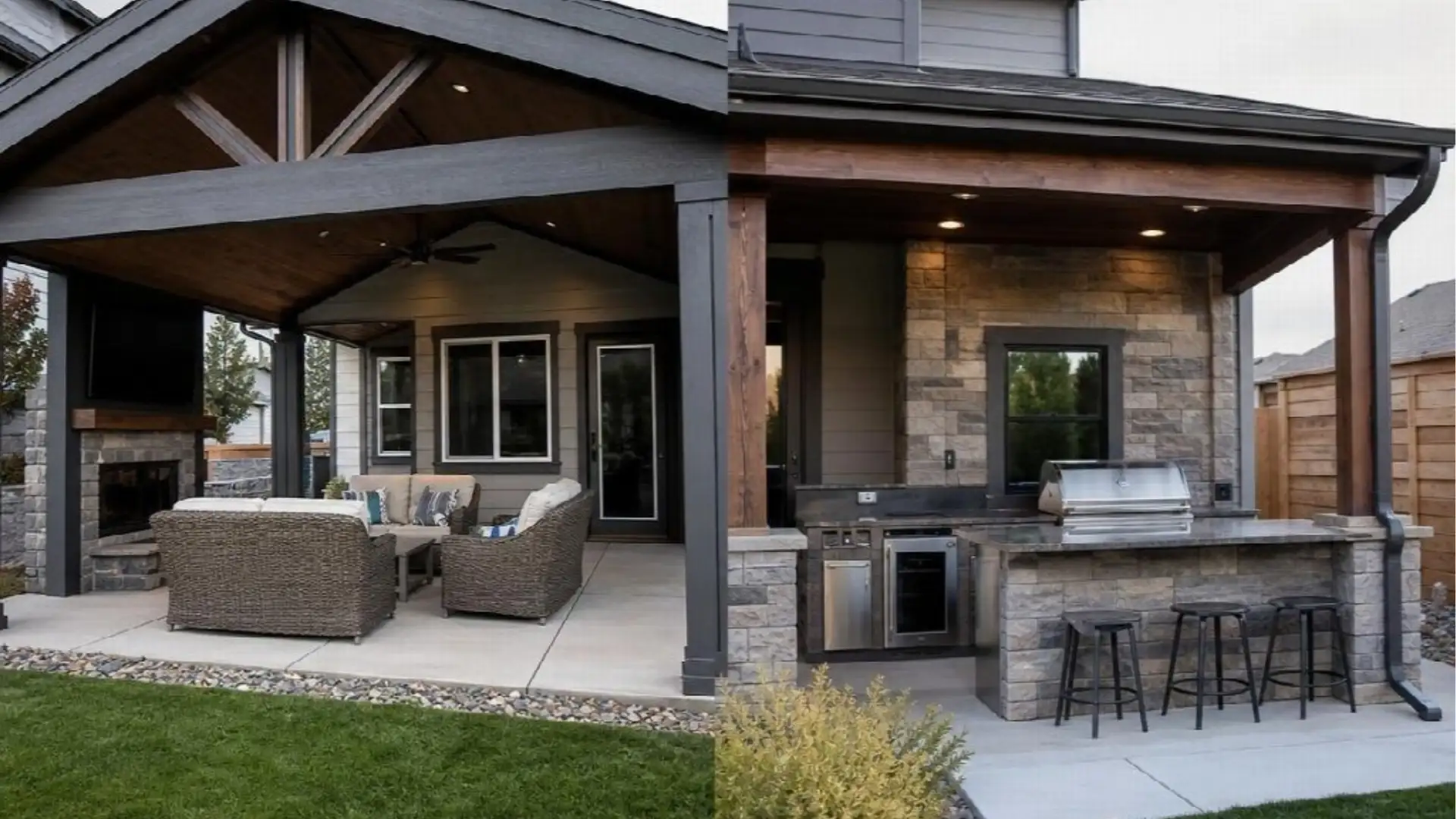
Inspired by urban lofts with exposed brick, raw wood, metal furniture, and a masculine aesthetic.
Scandinavian
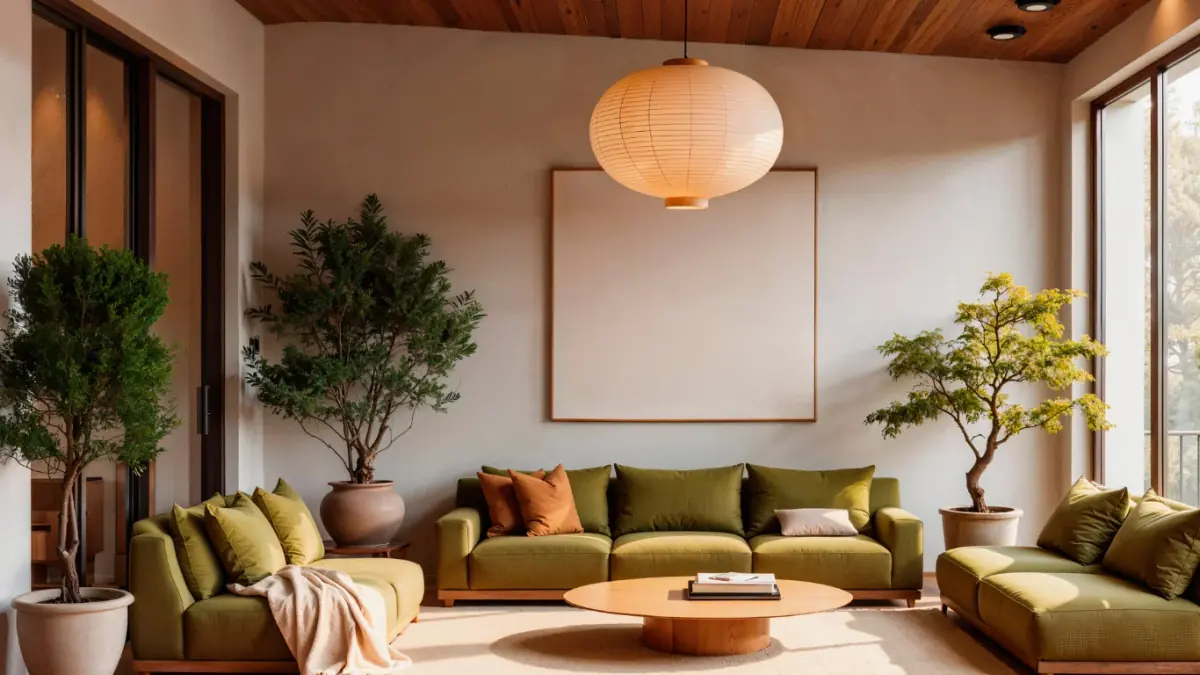
Focuses on light wood, neutral tones, and a deep connection to nature for a warm, cozy feel.
4. Analyze Your Existing Space
Look at your current furniture and color palette. You might already have a "base" style. Identifying what you already own that matches your goal will help you decide what needs to be updated or added.
5. Create a Mood Board
Collect images of furniture, textures, and material swatches. Tools like Pinterest or Canva are great for digital mood boards, while magazine clippings work perfectly for physical ones.
6. Experiment with Small Changes
Start small by swapping throw pillows, updating light fixtures, or adding accessories like vases and artwork that reflect your chosen style.
FAQs
Q1: How do I know which interior design style is right for me?
Start by identifying what makes you feel comfortable. Look at your color preferences and existing decor to guide your selection.
Q2: What if I like elements from different design styles?
It’s perfectly fine to mix styles! Maintain a cohesive color palette to tie different elements (like modern and boho) together.
Q3: Can my interior design style change over time?
Yes! Your style can evolve with new trends and life stages. Updating your space is part of the fun of design.
Q4: How can I incorporate my personal taste?
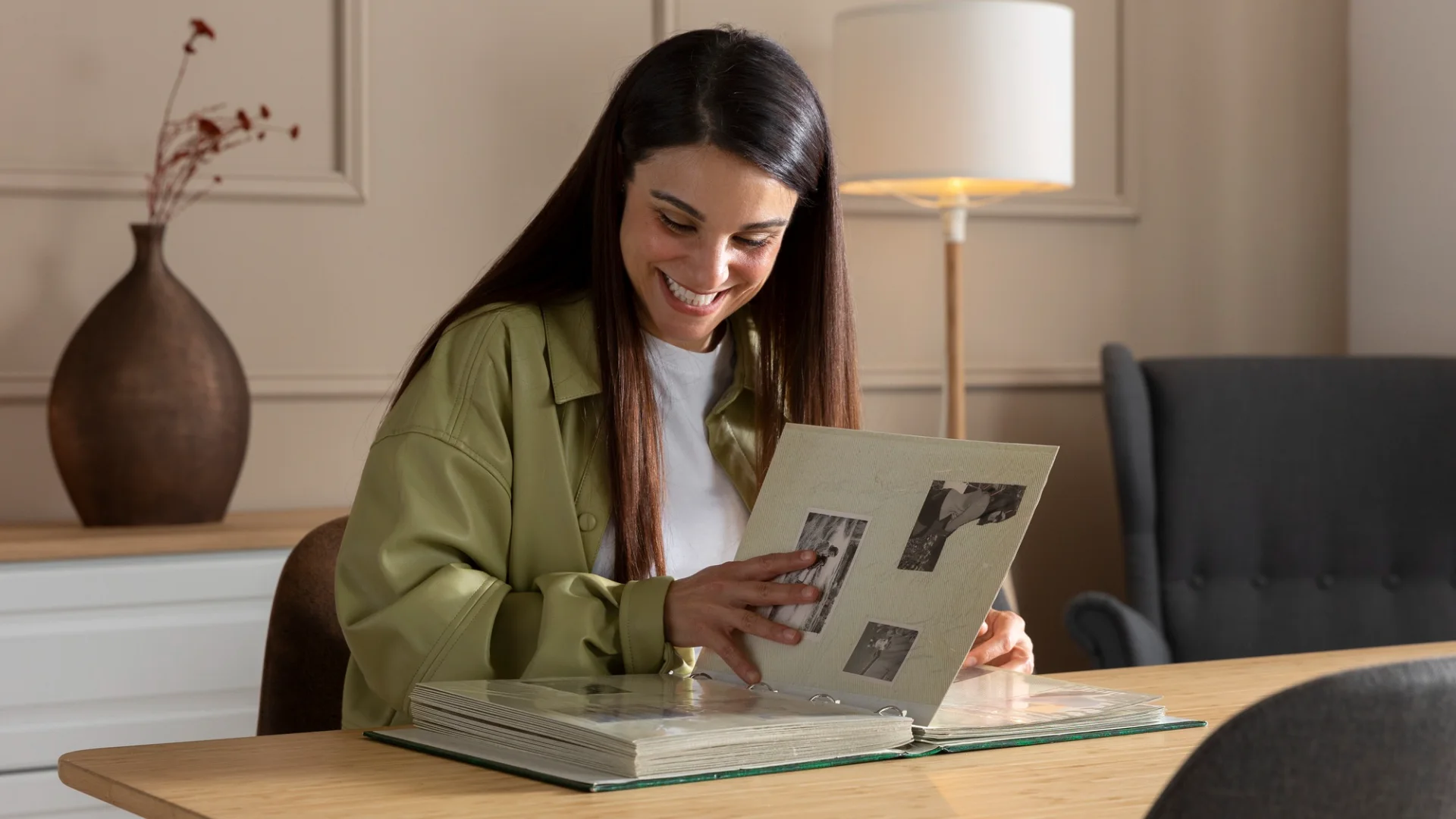
Add personal touches like family photos, unique art pieces, or meaningful travel objects to make the space truly yours.
Q5: What is the best way to start decorating?
Start with one room. Incorporate key elements of your chosen style and gradually build up to furniture and larger decor.
Conclusion
Finding your interior design style is a rewarding journey that transforms your house into a home. By exploring your preferences and making thoughtful choices, you create a space that reflects your lifestyle. Don't be afraid to experiment—your home should evolve with you.