Energy efficiency has become an increasingly important focus for homeowners across the UK. As household energy costs continue to rise and environmental awareness grows, more people are looking for practical ways to reduce waste and create homes that are both comfortable and cost-effective to run.
The good news is that improving efficiency does not always require major renovations or expensive technology. In many cases, smaller changes around the home can make a noticeable difference over time. From better insulation to smarter heating habits, homeowners are increasingly making upgrades that support both sustainability and everyday comfort.
Why Energy Efficiency Matters More Than Ever
For many households, rising energy bills have encouraged closer attention to how homes are heated, insulated, and maintained. Even small amounts of wasted energy can quickly add up over the course of a year, particularly during colder months when heating systems are used more regularly.
Alongside financial considerations, there is also growing awareness around sustainability and the environmental impact of energy consumption. Many homeowners are now looking for ways to reduce unnecessary waste while creating more responsible and efficient living spaces.
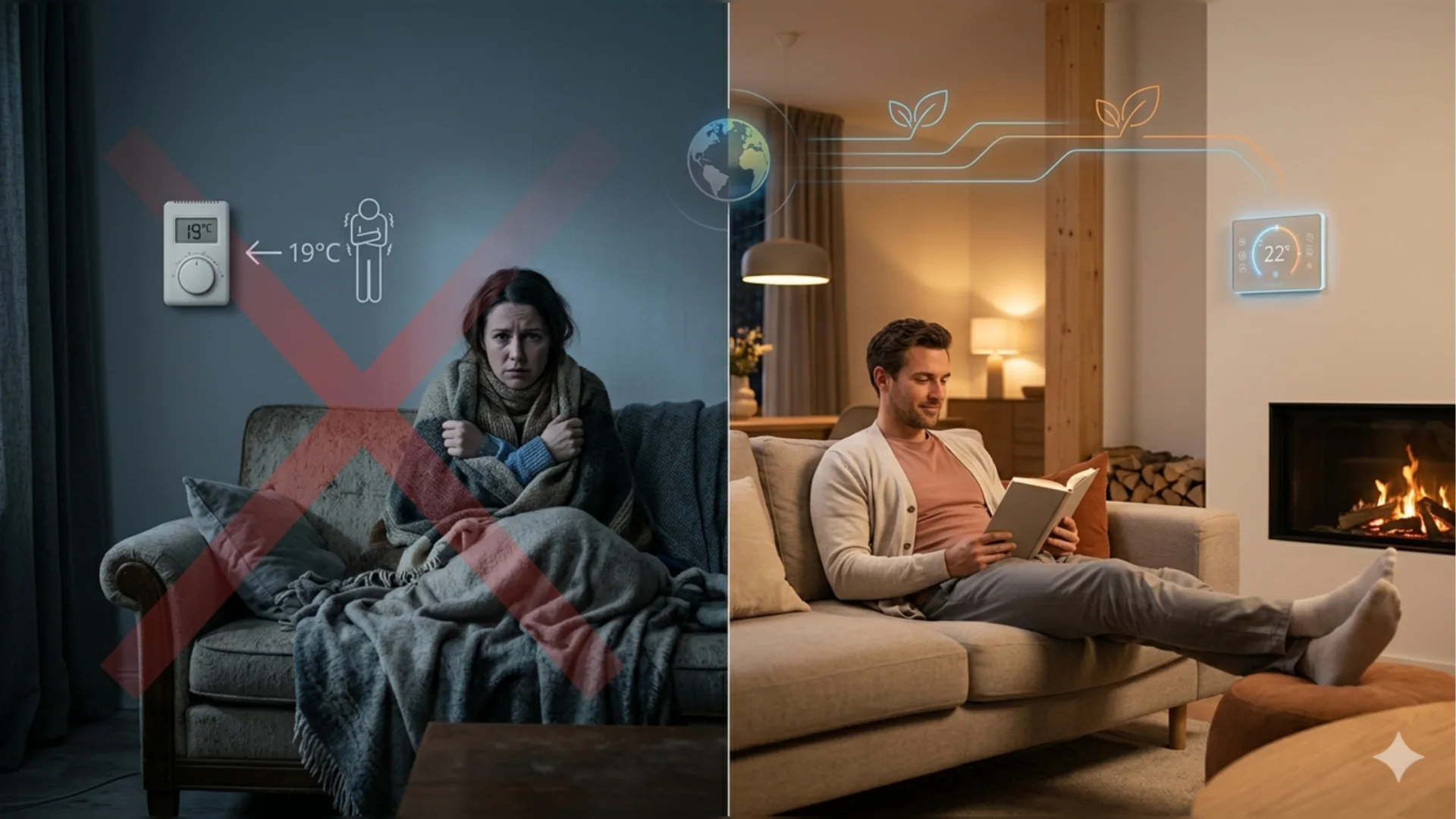
Energy-efficient homes can also feel more comfortable throughout the year. Better insulation, reduced draughts, and improved heating systems often help maintain more consistent indoor temperatures, making homes feel warmer during winter and cooler during summer.
Property value is another factor influencing home improvement decisions. Buyers and landlords are paying increasing attention to energy-conscious upgrades when assessing properties, particularly as energy performance becomes a more visible consideration within the housing market.
Small Changes That Can Reduce Energy Waste
Many effective energy-saving improvements are surprisingly simple to introduce. Draught-proofing doors and windows can help reduce heat loss while improving comfort during colder weather. Adding insulation to lofts or walls may also help homes retain heat more efficiently over time.
Lighting is another area where homeowners are making practical changes. Energy-efficient bulbs typically use less electricity and often last longer than traditional lighting options, making them a popular choice for reducing household energy use.
Heating habits can also make a noticeable difference. Smart thermostats and timed heating systems allow homeowners to manage temperatures more efficiently throughout the day, helping reduce unnecessary energy use when rooms are not occupied.
Everyday habits also contribute to overall efficiency. Turning off unused appliances, improving ventilation, and avoiding excessive heating can all support lower energy consumption while helping households maintain comfortable living environments.
Understanding a Property’s Energy Performance
Energy performance ratings are becoming increasingly important for homeowners, buyers, landlords, and tenants alike. These ratings provide a clearer picture of how efficiently a property uses energy and where improvements may help reduce waste or running costs.
When buying, selling, or renting a property, many people now pay closer attention to the results of an energy performance certificate survey. These assessments can help highlight areas where efficiency improvements may be beneficial, such as insulation, heating systems, or ventilation.
Understanding a property’s energy performance can also help homeowners plan future upgrades more effectively. Rather than making random improvements, many people are now focusing on changes that support both comfort and long-term efficiency.
As energy awareness continues to grow, energy ratings are likely to play an even larger role within the housing market and wider home improvement industry.
Creating a More Comfortable and Sustainable Home
Improving energy efficiency is not solely about reducing costs. Many homeowners are also focused on creating homes that feel healthier, more comfortable, and better suited to long-term living.
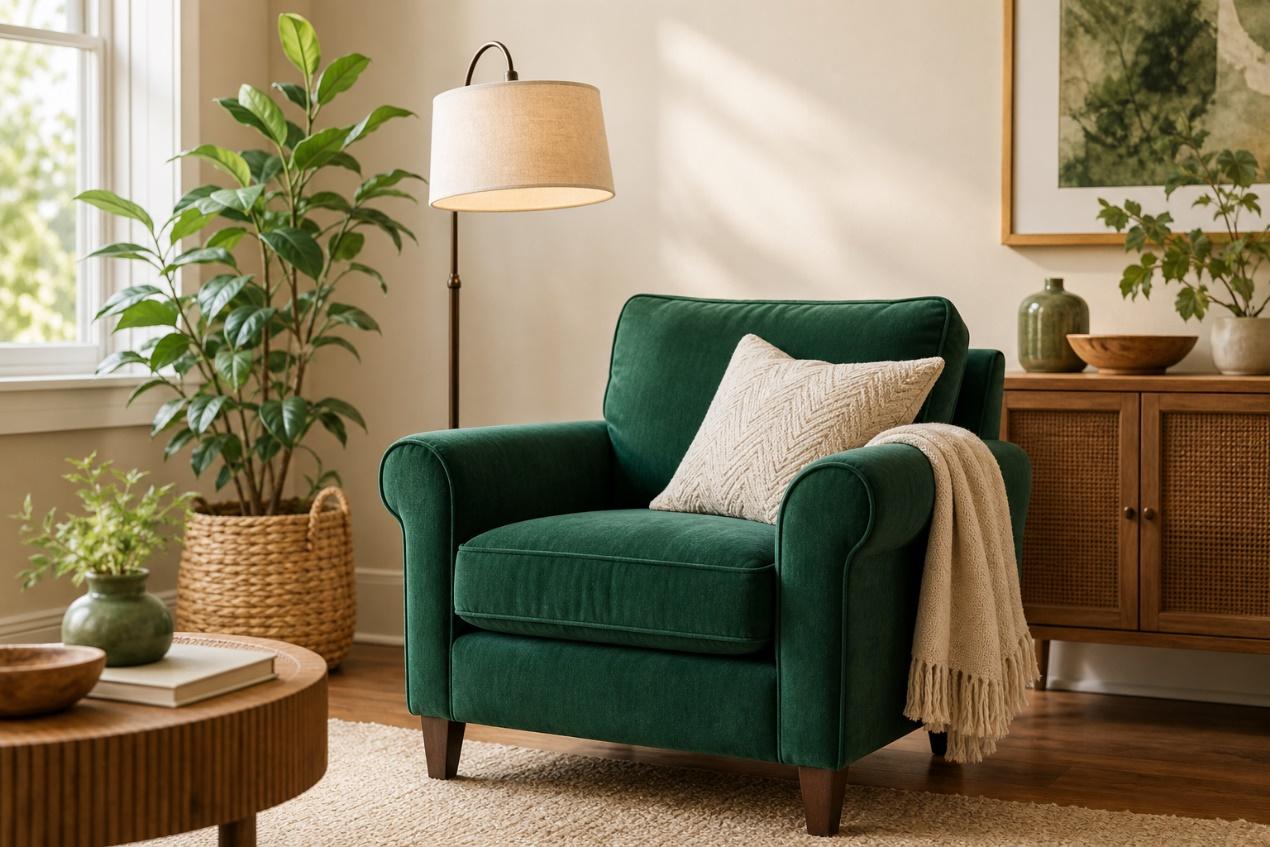
Energy-conscious upgrades often work well alongside modern interior design trends, particularly as many homeowners now prefer practical and sustainable living spaces. Better insulation, improved ventilation, and energy-efficient systems can all contribute to creating homes that feel more balanced and comfortable throughout the year.
Future-proofing has also become a growing priority. Investing gradually in efficient home improvements can help properties remain more adaptable as energy expectations continue to evolve in the future.
The good news is that energy efficiency improvements do not need to happen all at once. Smaller changes introduced over time can still have a positive impact on both household comfort and overall energy use.
Improving energy efficiency at home has become an increasingly practical priority for many homeowners looking to reduce waste, lower running costs, and create more sustainable living environments. From simple insulation improvements to smarter heating habits and energy assessments, there are many accessible ways to make homes more efficient without major disruption. By making gradual but thoughtful upgrades, homeowners can create properties that feel comfortable, practical, and better prepared for the future.