Extra storage space can be a game-changer for homeowners. Whether you're storing lawn equipment, seasonal decorations, bicycles, or workshop tools, a storage shed helps keep your property organized and clutter-free. However, buying the wrong shed can lead to costly mistakes, maintenance headaches, and even legal issues.Many buyers focus only on appearance or price, overlooking critical factors such as sizing, material selection, foundation requirements, zoning regulations, and long-term durability. This guide will help you avoid the most common storage shed buying mistakes and choose a solution that delivers value for years to come.
1. What Are Common Mistakes with Shed Sizes?
The most common mistake with shed sizes is underestimating the actual space needed. Buyers often assume they only need room for a lawnmower and a few boxes, but storage needs grow over time. Experts recommend calculating your current needs and adding at least 25% extra space for future storage requirements.
One of the biggest regrets among shed owners is purchasing a structure that's too small. What seems spacious on day one can quickly become overcrowded as new tools, gardening supplies, and outdoor equipment accumulate.
A useful guideline is the Add 25% Rule:
● Measure your current storage requirements.
● Add at least 25% additional capacity for future needs.
● Consider seasonal items that may not currently be in storage.
Another frequently overlooked factor is vertical space. Low ceilings can prevent you from installing shelving, overhead storage, or loft systems. If you plan to store ladders, rakes, or other tall equipment, ceiling height matters just as much as floor space.
How to Properly Estimate Your Space Needed
Before choosing a shed size:
● Declutter and eliminate items you no longer need.
● Measure all items intended for storage.
● Use tape to mark the proposed shed footprint on your driveway or garage floor.
● Leave room for walking aisles and easy access to items stored in the back.
● Account for future purchases such as lawn equipment, power tools, or outdoor furniture.
Proper planning today can prevent an expensive shed upgrade later.
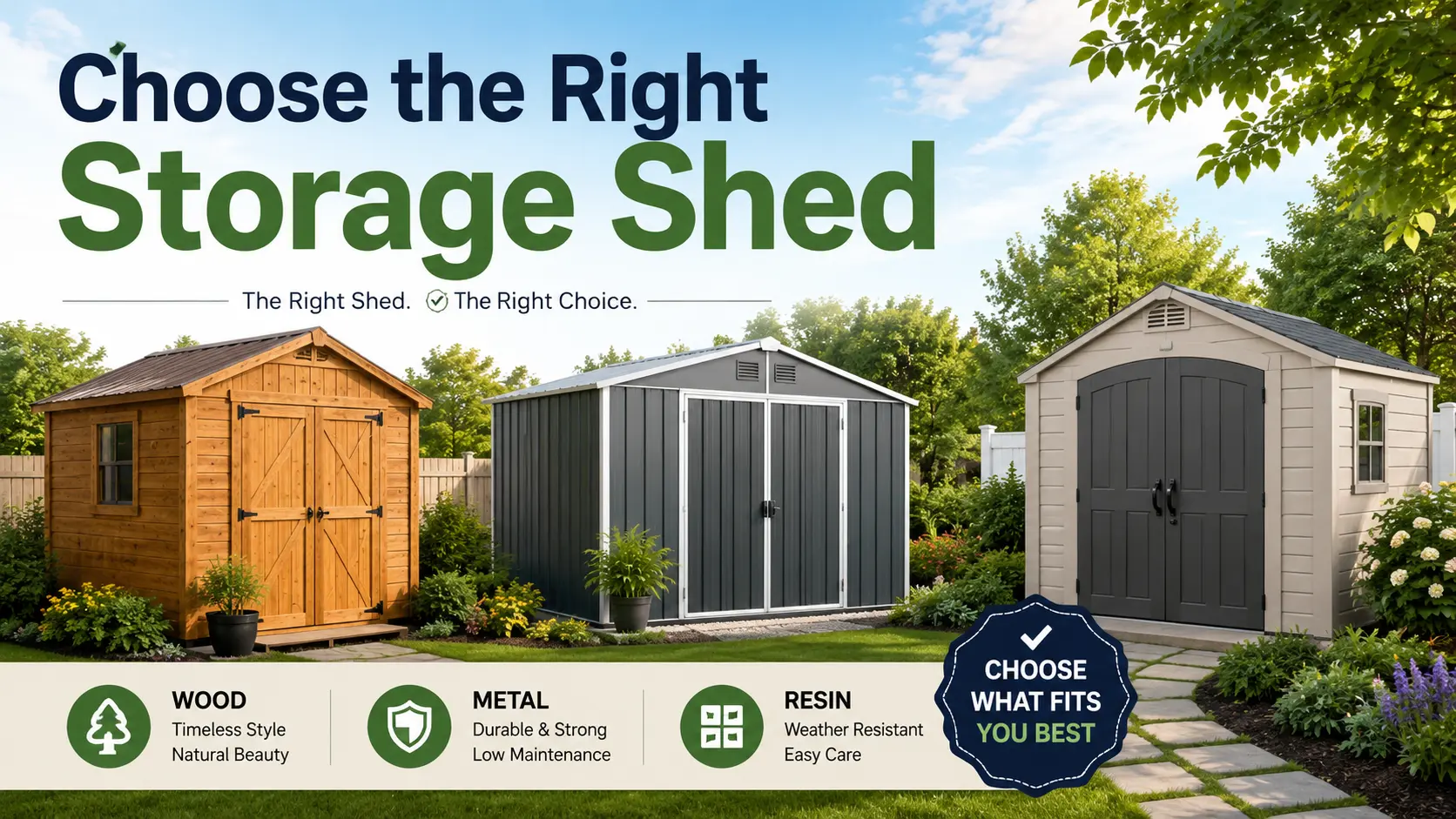
2. Overlooking Material Types and Maintenance Requirements
Many homeowners choose the least expensive shed option without considering how different materials perform over time.
Wood sheds offer a traditional appearance but can be vulnerable to:
● Rot
● Mold growth
● Insect and termite damage
● Regular repainting and sealing requirements
Metal sheds may seem durable initially, but they can develop:
● Rust
● Corrosion
● Condensation issues
● Heat buildup during the summer months
A smarter long-term approach is choosing high-quality resin construction. Modern resin sheds are engineered to resist moisture, weather damage, peeling, and corrosion.
For homeowners seeking a low-maintenance solution, Keter's outdoor storage sheds provide several advantages:
● Weather-resistant resin construction
● Resistance to rust and rot
● Built-in ventilation systems
● Minimal maintenance requirements
● Attractive appearance that lasts for years
Unlike traditional wood structures that often require ongoing upkeep, resin sheds can help reduce long-term ownership costs while maintaining their appearance.
3. Skipping Foundation and Site Preparation
Even the highest-quality shed can fail if it's installed on an improper foundation.
One of the most common mistakes is placing a shed directly on uneven soil.
Over time, shifting ground can cause:
● Doors that won't close properly
● Misaligned windows
● Structural stress
● Premature wear
Proper site preparation should include:
Level Ground
A stable, level base helps evenly distribute weight and protects the shed's structure.
Effective Drainage
Water pooling around a shed can damage flooring, encourage mold growth, and weaken the foundation. Always ensure rainwater drains away from the building.
Secure Anchoring
High winds can move or even overturn improperly secured sheds. Anchoring helps maintain structural integrity and prevents costly damage.
Investing time in foundation preparation is far less expensive than repairing a shed that's begun to shift or settle.
4. Ignoring Local Zoning Laws, Permits, and Property Taxes
Many buyers assume they can place a shed anywhere on their property. Unfortunately, local regulations often say otherwise.
Before purchasing a shed, verify:
● Setback requirements from property lines
● Maximum shed size restrictions
● Height limitations
● Homeowners association (HOA) rules
● Permit requirements
Failing to comply with local regulations can result in fines, mandatory relocation, or even removal of the structure.
Do Your Taxes Go Up If You Put a Shed on Your Property?
The answer depends on how the shed is installed.
In many municipalities, sheds built on permanent foundations may be considered property improvements and could trigger a reassessment that affects property taxes. Portable sheds or skid-mounted structures are often treated differently.
Because tax regulations vary by location, consult your local assessor's office before installation.
Helpful resources include:
● Your local building department's permit guide
● Municipal zoning office
● County property tax assessor website
Researching these requirements beforehand can prevent unexpected costs later.
5. Failing to Plan for Future Utilities and Roof Styles
Many homeowners focus solely on current needs and forget about future upgrades.
For example, if you may eventually want:
● Electrical outlets
● Interior lighting
● Internet connectivity
● Plumbing connections
It's far easier and less expensive to install conduit before the foundation is completed than after construction is finished.
Roof design is another frequently overlooked factor.
Different climates require different roof styles:
● Gambrel roofs provide extra overhead storage.
● Gable roofs offer excellent water runoff.
● Lean-to roofs work well in smaller spaces.
● Steeper roof pitches perform better in snowy regions.
Choosing a roof style that matches local weather conditions can help prevent long-term structural problems and improve durability.
6. Buying a Shed Without Checking the Warranty
Warranty coverage often receives little attention during the buying process, but it can significantly impact ownership costs.
A shed without a strong manufacturer's warranty leaves homeowners responsible for repair expenses if problems develop.
Before purchasing, review:
● Coverage length
● Structural defect protection
● Material defect coverage
● Water intrusion protection
● Snow load ratings
● Wind resistance specifications
A reputable manufacturer typically stands behind its product with comprehensive warranty coverage.
When comparing storage sheds, warranty terms can reveal a great deal about overall product quality and expected lifespan.
Before making your purchase, measure your available space, review local building requirements, explore property tax implications, and compare durable shed options designed for long-term performance. A little planning now can prevent years of storage shed headaches later.