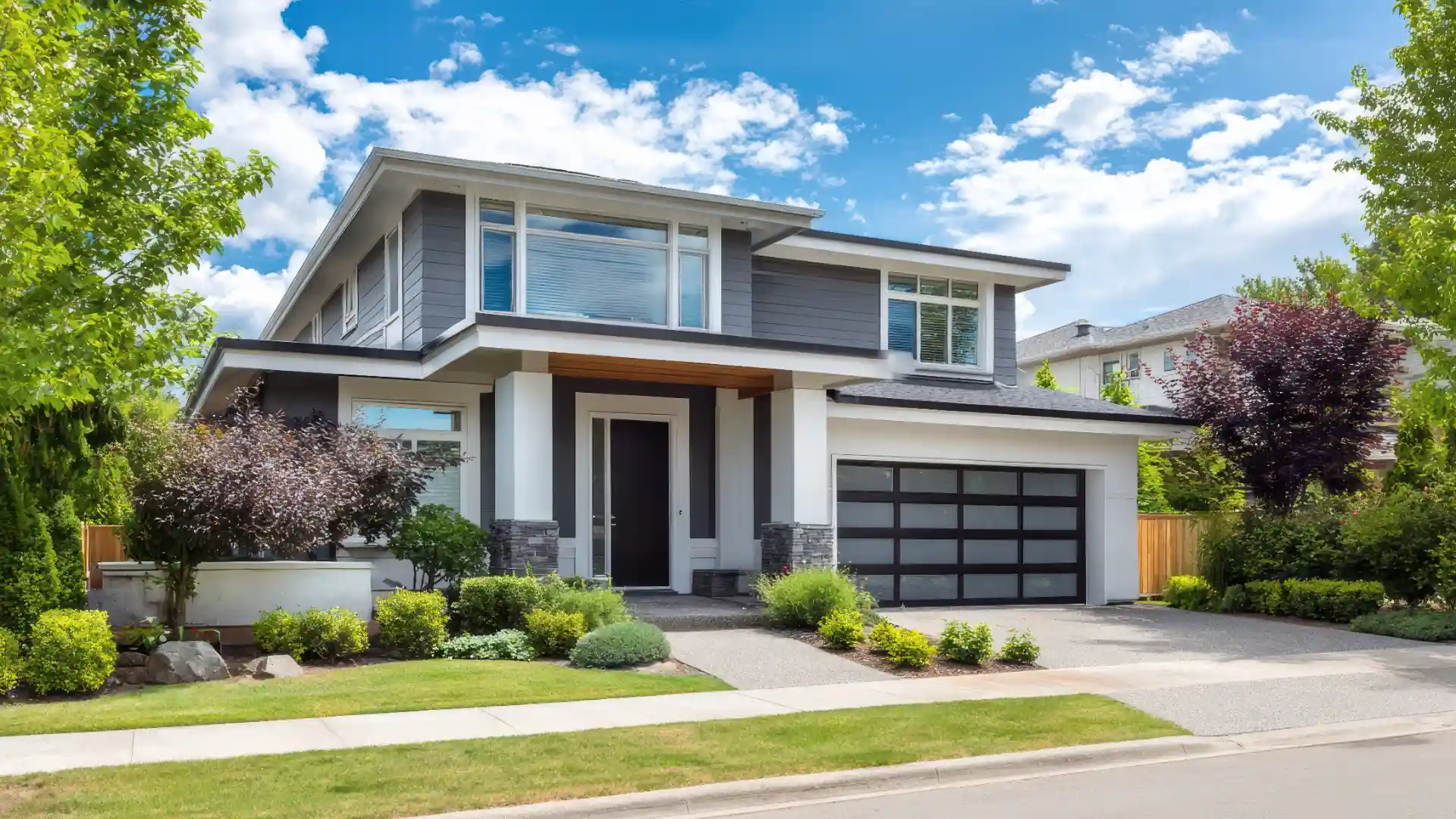
Accessory Dwelling Units, commonly known as ADUs, have become one of the most popular home improvement projects in Southern California. Homeowners are turning their backyards, garages, and unused lots into functional living spaces, whether for extra income, aging parents, adult children, or a private home office. As demand grows, so does the need for professionals who understand the unique zoning rules, permitting process, and design standards that come with building in a dense urban environment.
This article walks through what homeowners should know before starting an ADU project, and how the right team can make the process smoother from start to finish.
Why ADU Design Matters So Much
Good design is the foundation of any successful ADU project. It is not just about how the finished unit looks, it is about how well it functions, how efficiently it uses space, and how smoothly it moves through the city approval process. This is where ADU design services Los Angeles come into play, offering homeowners the technical expertise and local knowledge needed to turn a small lot into a comfortable, code compliant living space. A qualified design team understands setback requirements, height limits, parking rules, and utility connections specific to Los Angeles neighborhoods, which can vary block by block. Without this local insight, homeowners often run into delays, redesigns, or costly permit rejections.
Design also plays a major role in maximizing value. A well planned ADU can increase property value significantly while providing rental income or multigenerational housing options. Every square foot matters in a compact unit, so designers focus on smart layouts, natural light, and storage solutions that make small spaces feel open and livable.
Understanding the Los Angeles Permitting Process
One of the biggest challenges homeowners face is navigating the permitting process. Los Angeles has specific requirements for ADUs, including lot coverage limits, fire safety standards, and utility separation rules. The process typically begins with a site evaluation, followed by architectural drawings, structural engineering, and submission to the Los Angeles Department of Building and Safety.
Timelines can vary depending on the complexity of the project and the current workload of the city's review department. Detached units, converted garages, and junior ADUs each have their own set of rules, so it helps to work with professionals who submit plans regularly and know how to avoid common mistakes that lead to plan check corrections. A well prepared application package, with accurate drawings and complete documentation, tends to move through the system far faster than one that is missing details.
Key Design Considerations for a Successful ADU
Once permitting requirements are understood, attention shifts to the actual design of the unit. A few factors consistently make the biggest difference in the final result.
Layout efficiency is one of the most important considerations. Since ADUs are often limited to a few hundred square feet, every room needs to serve a purpose without feeling cramped. Open concept kitchens, combined living and dining areas, and thoughtful bathroom placement all contribute to a functional floor plan.
Natural light and ventilation also matter a great deal, especially in units with limited window space due to lot constraints. Skylights, larger window openings, and strategic door placement can make a small unit feel significantly more comfortable.
Material selection is another consideration, since durability and cost need to be balanced carefully. Homeowners often want a design that matches the style of the main house while staying within budget, which requires close collaboration between the designer and the client throughout the process.
Finally, energy efficiency has become a bigger priority, both for cost savings and for meeting California's building codes. Insulation quality, window efficiency, and appliance choices all factor into the long term performance of the unit.
Choosing the Right Team for Your Project
Selecting the right partner for an ADU project can determine whether the experience is smooth or stressful. Homeowners should look for a team that offers both design and construction expertise under one roof, since this reduces miscommunication between architects, engineers, and builders. A firm that manages the project from initial concept through final inspection can save significant time and prevent the finger pointing that sometimes happens when multiple separate companies are involved.
This is one of the reasons many homeowners choose Uni Construction + Adu Design - Los Angeles, a company known for combining design and construction services into a single streamlined process. Working with a team that handles both disciplines allows for more accurate budgeting from the start, since the design is created with real construction costs in mind rather than being adjusted later after bids come in higher than expected. It also means fewer delays, since the same team that draws the plans is the one building them, reducing back and forth between separate firms.
When evaluating potential partners, homeowners should ask about past project examples, typical timelines, and how the company handles permitting setbacks if they occur. A transparent process, with clear communication at each stage, tends to lead to better outcomes and fewer surprises along the way.
Budgeting and Timeline Expectations
Cost is often the first question homeowners ask, and it depends heavily on the size, finishes, and complexity of the unit. Detached new construction units generally cost more than garage conversions, since they require new foundations, plumbing, and electrical work from the ground up. Homeowners should budget not only for construction, but also for design fees, permit fees, and potential utility upgrades.
Timelines also vary widely. A garage conversion might take a few months from design to completion, while a detached unit with a full foundation could take six months to a year, depending on permitting speed and contractor availability. Setting realistic expectations early, and working with a team that communicates clearly about potential delays, helps homeowners plan around the process rather than being caught off guard.
Conclusion
Building an ADU in Los Angeles can be a rewarding investment, whether the goal is rental income, housing for family, or simply adding flexible space to a property. Success depends heavily on thoughtful design, a clear understanding of local permitting rules, and a construction partner who can carry the project through every stage without unnecessary delays. By focusing on efficient layouts, realistic budgeting, and working with an experienced team, homeowners can turn a small piece of unused land into a valuable, functional living space that serves their needs for years to come.